
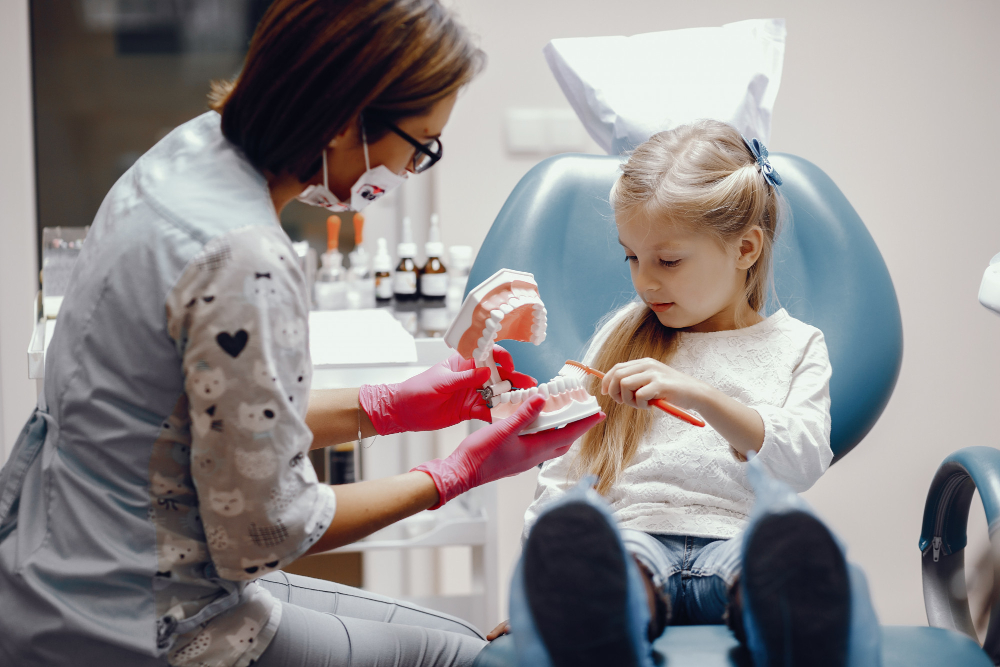
Your child’s teeth are still growing. Their mouth, jaw, and bite keep changing every month. You need a dentist who understands those changes and treats them with care and patience. That is why specialized training in pediatric dental care matters. A dentist who treats children every day learns how to spot early warning signs, ease fear in the chair, and use treatment that protects small teeth and soft gums. This training helps prevent pain, infections, and speech or chewing problems later in life. It also teaches better ways to calm a crying child and support a worried parent. If you see a family dentist in North Richland Hills, TX, you should know what training they have for treating children. Your child deserves care that fits their age, size, and emotional needs. Proper skill and training can shape your child’s comfort with dental visits for life.
What Makes Pediatric Training Different
Pediatric dentists complete extra years of training after dental school. That training focuses on infants, children, and teens. It covers growth, behavior, and medical needs that are common in childhood.
During this training your child’s dentist learns three key skills.
- How baby teeth and adult teeth grow and move
- How to talk with children who feel scared or angry
- How to adapt treatment for children with special health needs
The American Academy of Pediatric Dentistry states that this extra training helps protect long term oral health because many lifelong habits start in early childhood. You can read more about early care in the American Academy of Pediatric Dentistry parent resources.
Why Growth And Development Knowledge Matters
Your child’s mouth is not a small adult mouth. Bones, muscles, and teeth move and change. A dentist with pediatric training understands these growth stages.
That training helps your child’s dentist to:
- Spot crowding before it causes pain
- Notice early signs of bite problems
- Watch for habits like thumb sucking that change jaw shape
Early action often means shorter and simpler treatment. You avoid bigger problems that cost more money and cause more stress later.
How Specialized Training Reduces Fear And Stress
Many adults fear the dentist because of hard childhood visits. A dentist with pediatric training works to avoid that outcome for your child.
They learn to:
- Use simple words instead of medical terms
- Show tools before using them
- Give short breaks when a child feels overwhelmed
Pediatric training also covers behavior guidance. That includes ways to help a child stay still and safe without force. Calm visits build trust. Your child then walks into the office with less fear and more control.
Special Training For Children With Medical Or Developmental Needs
Some children have asthma, heart conditions, autism, ADHD, or other conditions. Pediatric dentists learn how different medicines, behaviors, and body responses affect dental care.
With this training your child’s dentist can:
- Adjust appointment length
- Plan safe use of numbing medicine
- Coordinate with your child’s doctor when needed
The National Institute of Dental and Craniofacial Research shares guidance on caring for children with special health needs in its children’s oral health information. This guidance supports the need for training that matches your child’s health history.
Comparing General And Pediatric Dental Training
Both general and pediatric dentists complete dental school. Yet their training paths are not the same. The table below shows key differences that affect your child’s care.
| Training Or Skill | General Dentist | Pediatric Dentist
|
|---|---|---|
| Total training after college | About 4 years of dental school | 4 years of dental school plus 2 to 3 years of pediatric residency |
| Focus on child growth and jaw development | Basic coverage in dental school | Extensive study with regular child patients |
| Behavior guidance methods for children | Limited exposure | Core part of daily training |
| Training in care for children with special health needs | General overview | Specific planning and real case experience |
| Office design for children | Adult focused setting | Child focused setting with smaller tools and seating |
| Preventive care for baby teeth | Routine cleanings and exams | Targeted plans for cavity risk, diet, and habits |
How Specialized Training Protects Long Term Health
Strong baby teeth support clear speech, safe chewing, and face growth. When baby teeth get cavities or fall out too early your child may need more treatment later.
Pediatric training helps a dentist to:
- Use fluoride and sealants at the right time
- Offer simple diet changes that reduce sugar contact
- Teach brushing and flossing in child friendly steps
These steps lower your child’s cavity risk. They also protect adult teeth that are still forming under the gums.
Questions You Can Ask Your Child’s Dentist
You have a right to know about your child’s care. Direct questions show respect for your child and for the dentist’s skill.
You can ask:
- What training do you have in pediatric dentistry
- How often do you treat children my child’s age
- How do you handle a very anxious child
- What is your plan if my child has a medical emergency during a visit
Clear answers build trust. They also help you choose a dentist who matches your child’s needs.
When A Family Dentist May Still Be A Good Fit
Some general or family dentists pursue extra courses in pediatric topics. They may see children every day and keep up with current guidance.
A family dentist can be a good choice if they:
- Show proof of recent pediatric training
- Have a child friendly office and staff
- Know when to refer your child to a pediatric specialist
The key is not the sign on the door. It is the training and daily experience with children. That is what shapes safe care.
Taking The Next Step For Your Child’s Teeth
Your child only gets one chance to grow a healthy mouth. Specialized training in pediatric dental care gives your child a better chance at pain free visits, clear speech, and confident smiles.
You can take three simple steps.
- Ask about pediatric training before scheduling a visit
- Share your child’s fears and health history with the dental team
- Stay consistent with checkups so small problems stay small
When you choose a dentist with the right training you protect more than teeth. You protect your child’s comfort, safety, and trust every time they sit in the dental chair.

