
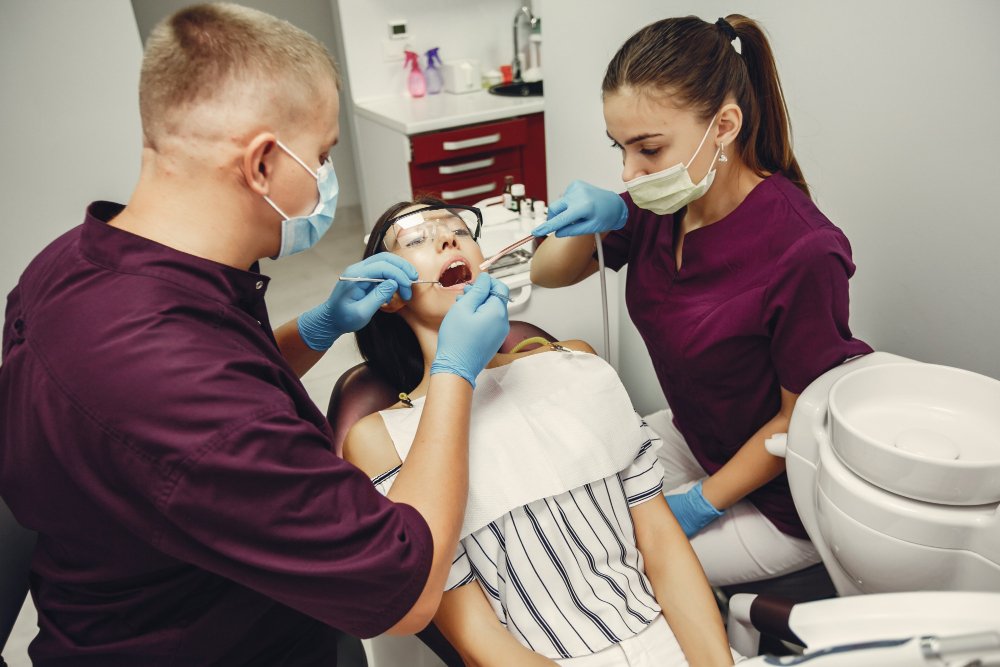
You want a smile that looks real, not fake. That result does not start with whitening or veneers. It starts with prevention. Strong teeth and healthy gums give every cosmetic step a solid base. Routine cleanings, early cavity checks, and gum care protect the natural shape and color of your teeth. Then cosmetic work can match what is already there. An Avon cosmetic dentist can only create a natural look when your mouth is calm and stable. Any untreated decay, grinding, or gum infection will slowly ruin even the best cosmetic work. Instead, you protect your investment by stopping problems before they grow. You also keep more of your natural tooth structure. That means less drilling, less sensitivity, and longer lasting results. Preventive dentistry is not extra. It is the first step toward a confident, natural smile that looks like you.
Why prevention comes before cosmetic work
Cosmetic care tries to copy nature. Prevention keeps nature in place. When your teeth and gums stay healthy, cosmetic work has less to fix and more to match.
Before any whitening, bonding, or veneers, you need three things.
- Clean teeth with little or no plaque
- Gums that do not bleed or swell
- No untreated cavities or infections
Without these, cosmetic work will not look real. It can also fail fast. Stains return. Bonding chips. Veneers loosen. You then face new cost and new worry.
How preventive visits protect your cosmetic results
Regular checkups and cleanings protect both natural teeth and any cosmetic work you already have. They catch problems early. They keep surfaces smooth and clean so color stays even.
During a preventive visit, your dentist and hygienist can.
- Remove plaque and tartar that cause decay and gum disease
- Check for weak spots in enamel before they turn into cavities
- Watch for grinding or clenching that can crack fillings and veneers
- Check the edges of crowns, veneers, and bonding for tiny gaps
The Centers for Disease Control and Prevention stresses that tooth decay and gum disease are common but preventable. When you control these problems, your cosmetic work lasts longer and keeps a natural look.
Healthy gums frame a natural smile
Gums act like a frame around each tooth. If that frame is uneven, swollen, or receding, even perfect teeth look fake.
Preventive gum care includes three steps.
- Daily brushing and flossing
- Routine cleanings to remove tartar you cannot brush off
- Early treatment of any bleeding or pocketing
When gums stay firm and pink, they follow the natural curve of each tooth. Then, veneers, bonding, and crowns can sit in line with that curve. The result looks like your own smile, not a set of add-ons.
Fluoride, sealants, and less drilling
Many people fear that cosmetic work means a lot of drilling. Prevention reduces that need. Fluoride and sealants protect the parts of the tooth that are hardest to clean.
The National Institute of Dental and Craniofacial Research explains that fluoride helps rebuild weak enamel. Sealants cover the grooves on the chewing surfaces of back teeth. With fewer cavities, you keep more natural teeth. Then cosmetic work can stay thin and subtle.
Preventive steps and their effect on cosmetic results
| Preventive step | Main goal | Effect on cosmetic work |
|---|---|---|
| Regular cleanings | Remove plaque and tartar | Keep color even and reduce stains |
| Fluoride use | Strengthen enamel | Allow thinner veneers and less drilling |
| Sealants | Block decay in grooves | Protect biting surfaces under restorations |
| Gum care | Prevent gum disease | Keep a natural gum line around teeth |
| Grinding checks | Reduce wear and cracks | Stop chips in bonding and veneers |
Daily habits that support a natural look
Your choices at home shape how your smile looks and feels. Three daily habits matter most.
- Brush twice a day with fluoride toothpaste
- Clean between teeth once a day with floss or another tool
- Limit sweet drinks and snacks between meals
These steps slow the stain build-up and decay. They also protect edges where cosmetic materials meet natural tooth. That line is where problems often start. Good habits keep that line tight and clean, so no one can see it.
Planning cosmetic care on a healthy basis
When your mouth is healthy, you and your dentist can plan small, focused cosmetic steps. You may need only whitening and a small amount of bonding. You may avoid crowns on several teeth because the natural structure is still strong.
A careful plan often follows this order.
- Fix any decay or infection
- Stabilize gums
- Address grinding or jaw problems
- Begin whitening
- Add bonding, veneers, or crowns only where needed
This order protects your health and your budget. It also builds trust that your new smile will look natural and stay that way.
Choosing prevention for your family
Children and teens also benefit from this approach. Early prevention limits the need for large fillings, root canals, and extractions later. Straightforward steps, such as sealants and fluoride treatments, protect growing teeth. Good habits at a young age make cosmetic work less likely as an adult.
When your whole family follows a preventive plan, cosmetic choices become lighter and more flexible. You can focus on small changes instead of large repairs. That keeps every smile closer to the way nature formed it.
Prevention as the path to a real-looking smile
Natural-looking cosmetic results do not come from stronger bleach or thicker porcelain. They come from a quiet, healthy mouth that needs only gentle changes. Prevention gives you that foundation. It protects your time, your money, and your comfort. Most of all, it protects your sense of self when you see your own face in the mirror.

