Home Blog Page 19

How A Family Dentist Helps With Emergency Situations

0

When a tooth cracks at dinner or a child wakes up crying with sharp pain, you do not have time to search for help. You need someone who already knows your mouth, your history, and your family. A family dentist gives that support during emergencies. You get clear guidance, fast treatment, and calm direction when fear starts to rise. You also avoid guessing at home remedies that can cause more harm. Instead, you reach a trusted dentist in Jackson Heights who can manage broken teeth, swelling, bleeding, and sudden infections. You learn what to do in the first minutes. You understand when you must come in right away and when you can wait. You also see how regular family visits reduce the risk of crisis. This blog explains how your family dentist stands with you when the unexpected happens.

Why a Family Dentist Matters Before an Emergency

You handle emergencies better when you prepare early. A family dentist helps you prepare long before pain starts.

You get three key benefits.

  • They know your medical and dental history.
  • They teach you clear steps for common emergencies.
  • They set up contact plans for nights, weekends, and holidays.

This planning removes panic. It also reduces damage. For example, regular exams catch small cavities and gum problems early. That lowers the chance of infections that can spread. The Centers for Disease Control and Prevention explains that untreated cavities can cause pain and serious infection that may spread to other parts of the body.

Common Dental Emergencies a Family Dentist Treats

Most emergencies fit into a small group. When you know the type, you respond faster and protect teeth.

  • Toothache. Sudden strong pain can come from deep decay, crack, or infection.
  • Broken or cracked tooth. A fall, bite on hard food, or a sports hit can break a tooth.
  • Knocked out tooth. A fast response can save a permanent tooth.
  • Loose or missing filling or crown. This exposes the tooth and causes pain.
  • Swelling in face or gums. Swelling can signal an infection that needs quick care.
  • Bleeding after injury or dental work. Heavy or long bleeding needs attention.

A family dentist trains to handle all of these for both children and adults. You do not need to search for separate offices. You use one trusted office for the whole household.

What To Do In the First Minutes

Those first minutes shape the outcome. A family dentist gives you simple steps you can remember under stress.

  • Toothache. Rinse with warm water. Then gently floss to clear food. Do not place aspirin on the tooth or gum.
  • Broken tooth. Rinse your mouth. Save any pieces in clean milk or saliva. Call right away.
  • Knocked out permanent tooth. Pick it up by the crown, not the root. Rinse gently if dirty. Try to place it back in the socket and bite on a clean cloth. If you cannot, place it in milk. Then go to the dentist at once.
  • Swelling. Call the office. Use a cold pack on the cheek. If you have trouble breathing or swallowing, call 911.
  • Bleeding. Bite on clean gauze for 15 minutes. If bleeding continues, call the dentist.

The American Dental Association gives clear guidance on handling dental emergencies. A family dentist builds on this guidance and tailors it to you.

How a Family Dentist Responds During an Emergency Visit

Once you reach the office, you see a focused plan. The steps are simple.

  1. They ask about the injury, pain level, and timing.
  2. They examine the mouth and may take X-rays.
  3. They treat pain first so you can breathe and think.
  4. They control bleeding or swelling.
  5. They repair or stabilize the tooth.
  6. They plan follow-up care.

You leave with clear instructions. You know what to watch for, what to eat, and when to return. You also know who to call if pain returns during the night.

Emergency Room or Family Dentist

Many people rush to the emergency room for tooth pain. Sometimes that is right. Many times it is not. The table below helps you decide.

Situation Call Family Dentist First Go to Emergency Room


Sudden toothache without fever or swelling Yes No
Broken or chipped tooth from biting hard food Yes No
Knocked out permanent tooth Yes. Call and go at once Only if dentist is not available
Facial swelling with fever and trouble swallowing or breathing No Yes. Call 911
Jaw broken or cannot close mouth No Yes
Bleeding that does not stop after 30 minutes of pressure Call dentist if reachable Yes, if the dentist cannot be reached

Use this as a guide. When in doubt, call the family dentist. They can tell you if you need the hospital.

How Regular Family Visits Prevent Emergencies

You cannot stop every accident. You can lower the number and the harm. Routine care does this in three ways.

  • Cleanings remove plaque and reduce decay and gum disease.
  • Checkups catch small cracks, loose fillings, and early infection.
  • Education teaches your family how to brush, floss, and eat to protect teeth.

Children also learn that the dental office is safe. That trust matters when they face pain. They walk into a place they already know. They see faces they remember. Fear drops. Care goes more smoothly.

Building an Emergency Plan With Your Family Dentist

You can set up a simple plan with three steps.

  1. Ask the office how to reach them after hours.
  2. Write down clear steps for a toothache, a broken tooth, and knocked out tooth. Keep this on the fridge.
  3. Prepare a small kit with gauze, a small clean container, and the office phone number.

When pain or injury hits, you follow the steps. You call someone who already knows you. You get care that protects teeth and health. You also protect your peace of mind.
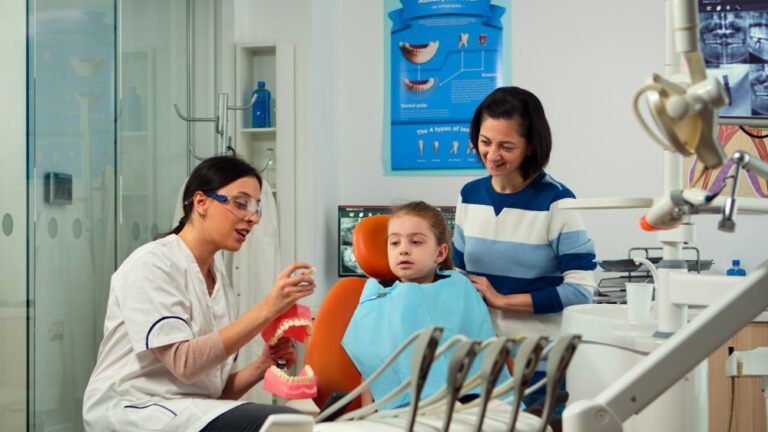
How Dental Centers Support Cosmetic Smile Transformations

0

A smile shapes how others see you and how you see yourself. When you feel unsure about your teeth, simple moments like speaking up in a meeting or laughing with family can feel tense. Dental centers understand this strain. They use clear steps to help you change your smile in a safe, controlled way. You meet with a team that listens to your goals, studies your mouth, and plans treatment that fits your life. You learn what each option can and cannot do. This includes whitening, bonding, veneers, crowns, or aligners. You also see how your bite, gums, and jaw affect both looks and comfort. A Maryville dentist can guide this process from start to finish. You receive honest answers, steady support, and careful follow-up. You gain more than straight or bright teeth. You gain trust in your smile again.

Why cosmetic smile care starts with health

You may want whiter or straighter teeth. First, your dentist checks your basic health. Healthy gums, clean teeth, and a steady bite protect any cosmetic work. The Centers for Disease Control and Prevention explains that untreated cavities and gum disease can lead to tooth loss and pain.

Your visit often starts with three steps.

  • A review of your health and medicines
  • A full exam of teeth, gums, and jaw joints
  • X-rays or photos to see the bone and roots

This check finds decay, infection, or grinding. You treat those first. Then cosmetic care lasts longer and feels easier.

Common cosmetic options you may discuss

You do not need to know every term. You only need clear facts. Dental centers often talk through three main choices during a cosmetic visit.

Common Cosmetic Options and Typical Use

Treatment What it changes Best for Typical time


Whitening Tooth color Stains from coffee, tea, or smoking One to several visits
Bonding Shape and small chips One or two teeth with minor flaws One visit
Veneers Color, shape, and spacing Front teeth with many defects Two or three visits
Crowns Full cover of a tooth Broken, worn, or root canal teeth Two visits in most cases
Aligners or braces Tooth position and bite Crowding, gaps, or bite problems Months to a few years

Your dentist explains what each choice can fix. You also hear what it cannot fix. That plain talk helps you set real goals.

How dental centers shape a safe plan

A cosmetic smile plan should never feel rushed. You and your dentist move through three clear phases.

  • Planning. You share what you hope to see in a mirror. The team takes photos and may use models of your teeth. Some centers show a mock-up so you can see likely changes.
  • Treatment. You start with cleaning and repairing. Then you move into whitening, shaping, or straightening. The team explains each visit in plain words.
  • Protection. You learn how to care for your new smile. You may receive night guards if you grind, or trays to refresh whitening.

The National Institute of Dental and Craniofacial Research stresses that steady checkups help catch problems early. You can see guidance at the NIDCR tooth decay resource. Regular visits protect the time and money you invest.

Balancing looks, comfort, and function

A good smile is not only about looks. You also need to chew, speak, and clean your teeth with ease. Dental centers watch three key issues.

  • Bite. If your top and bottom teeth do not meet well, they can crack or wear. Your jaw may ache. Aligners or crowns can help balance the bite.
  • Gum line. Uneven gums can make teeth look short or long. In some cases, minor gum shaping gives a more even look and makes cleaning easier.
  • Tooth strength. Large fillings or thin enamel may need crowns instead of simple bonding. This guards against future breaks.

You should never feel pressure to choose a look that harms function. A careful dentist explains tradeoffs so you can decide with clear eyes.

Family needs and long term care

Cosmetic changes affect the whole home. A parent may want whitening before a job hunt. A teen may need aligners after braces. An older adult may need crowns after years of wear. Dental centers can stage care so it fits family time and budget.

You can protect a new smile with three daily habits.

  • Brush with fluoride toothpaste two times a day
  • Clean between teeth with floss or brushes
  • Limit sugary drinks and snacks

These simple steps lower the risk of new decay. They also keep teeth brighter after whitening.

Questions to ask your dental center

You have a right to clear answers before any cosmetic work. You can ask three core questions during your visit.

  • What results can I expect, and how long will they last
  • What are the risks, and what happens if something chips or fails
  • What care will I need at home and at follow-up visits

You can also ask for photos of past cases, cost estimates, and timing. A Maryville dentist or any other dentist should respect careful questions. Honest talk builds trust and leads to safer choices.

Your smile carries your story. With clear planning, steady care, and a focus on health, dental centers can help you shape that story in a way that feels calm and real for you and your family.

4 Reasons Periodontics Is Essential In Preventive Dentistry

0

Healthy gums protect more than your smile. They protect your heart, your breath, your comfort, and your confidence. Periodontics focuses on the gums and bone that hold your teeth in place. When you ignore this support system, small problems turn into bleeding gums, loose teeth, and painful infections. Eventually, you may need extractions or dental implants Westchester County NY. Early gum care stops that chain reaction. It helps you keep your natural teeth longer. It also reduces silent inflammation that can strain your body. This blog explains four clear reasons gum care is a core part of preventive dentistry. You will see how simple steps like cleanings, exams, and early treatment protect your mouth and your health. You deserve clear facts, not fear. With the right care, you can avoid crisis visits and keep a steady, strong smile for years.

Reason 1: Healthy Gums Keep Your Teeth Stable

Your teeth stay in place because of gum tissue and supporting bone. When plaque and tartar sit along the gumline, they trigger swelling and infection. That infection eats away at the bone that holds your teeth. You may not feel pain at first. You might only see a little blood in the sink.

Over time, this quiet damage leads to:

  • Gums that pull away from teeth
  • Pockets that trap food and bacteria
  • Teeth that feel loose or shift

Routine periodontal care finds these changes early. Your dentist or periodontist measures pocket depth, checks bone levels, and removes hardened buildup under the gums. You get a cleaner surface so your gums can reattach and tighten around your teeth.

You protect yourself from tooth loss by treating gum disease before it reaches the root and bone. You also cut the chance that you will need complex treatment later.

Reason 2: Gum Care Lowers Risk For Whole Body Disease

Your mouth connects to the rest of your body. Bacteria from infected gums enter your bloodstream and travel. That ongoing infection can place stress on your heart and immune system.

The National Institute of Dental and Craniofacial Research explains that gum disease is linked to conditions such as heart disease and diabetes. Inflammation from the gums can make blood sugar harder to control. It can also raise the strain on blood vessels.

Periodontics protects more than your teeth by:

  • Reducing harmful bacteria in your mouth
  • Cutting ongoing inflammation in your gums
  • Helping your body fight infection

When you treat gum disease, you remove a constant source of stress on your body. You give your heart, lungs, and immune system a break. You also lower your chance of painful dental emergencies that can send you to urgent care or the hospital.

Reason 3: Periodontics Supports Clear Speech And Comfort

Gum disease changes how your mouth feels and works. Swollen or receding gums expose roots. Those roots react to hot, cold, and sweet. You may avoid certain foods because every bite hurts. You might also feel embarrassed by bad breath that does not go away with brushing.

As teeth shift or loosen, your bite changes. You may find it hard to chew. You may even hear clicking in your jaw. Speech can also suffer when teeth move or when you lose teeth.

Periodontal treatment brings back comfort by:

  • Reducing swelling and bleeding
  • Covering exposed roots when needed
  • Stabilizing teeth so your bite feels natural

These changes help you eat, speak, and smile without worry. Children and older adults feel this relief in the same way. Clear speech and pain-free chewing matter at every age.

Reason 4: Gum Health Saves Money And Time Over Your Life

Preventive gum care costs less than advanced treatment. Regular cleanings and early therapy use shorter visits and simpler tools. Late care often means longer visits, surgery, and replacement teeth.

The Centers for Disease Control and Prevention reports that almost half of adults over 30 have some form of gum disease. Many of those adults delay care until they face severe infections or tooth loss. At that point, they may need extractions and replacement with bridges or implants.

The table below shows a basic comparison of common choices.

Type of Care Typical Timing Approximate Effort Long Term Impact


Routine cleanings and checkups Every 6 to 12 months Short visits. Simple home brushing and flossing. Lower risk of gum disease and tooth loss.
Scaling and root planing After early gum disease starts Several focused visits. Extra home care. Stops or slows damage to bone and gums.
Periodontal surgery After deep pockets and bone loss Longer visits. Healing time. Closer follow-up. Can save teeth. Higher cost and stress.
Extractions and implants or dentures After teeth cannot be saved Many visits. Higher cost. Ongoing adjustments. Restores function. Does not replace natural teeth.

This simple comparison shows a clear pattern. Early gum care uses less time, less money, and less emotional strain. Late care demands more from you and your family.

How You Can Protect Your Gums Starting Today

You can support your gums with three steps.

  • Brush twice a day with fluoride toothpaste and a soft brush
  • Clean between your teeth daily with floss or interdental cleaners
  • Schedule routine dental visits and follow through on any gum treatment

You should also watch for warning signs such as bleeding when you brush, swollen or tender gums, gums that pull away from teeth, or bad breath that stays. Call your dentist if you notice any of these changes. Early action protects your smile, your health, and your peace of mind.

Periodontics is not extra care. It is basic protection for your body and your daily life. When you guard your gums, you guard your future comfort and confidence.

Why Cosmetic Dentistry Is Stronger With A Foundation Of Preventive Care

0

You may want a brighter smile, straighter teeth, or a full cosmetic makeover. First, you need a healthy mouth. Cosmetic dentistry only lasts when your gums and teeth are strong. Routine cleanings, early cavity checks, and simple daily habits protect every cosmetic step you take. Without this base, veneers crack, whitening fades fast, and crowns fail. A Lansdale, Pennsylvania dentist who puts prevention first can save you from repeat work and quiet worry. You deserve care that looks good and holds up under real life. That means finding and treating small problems before they spread. It means talking honestly about grinding, dry mouth, and sugar. It also means a clear plan for cleanings and home care. When you build cosmetic work on prevention, you get a smile that is not only attractive. You get a smile that endures.

Why health must come before looks

Cosmetic treatment sits on top of your current oral health. If decay, gum disease, or infection hide under the surface, they weaken every cosmetic step. You might not feel pain yet. You might only see stains or worn edges. Still, silent disease grows.

Preventive care does three things for you.

  • It stops new problems from starting.
  • It finds small issues early, before they hurt.
  • It creates a clean base for any cosmetic plan.

Without this, you pay twice. You pay for cosmetic work. Then you pay again when that work fails because the disease was never treated.

How prevention protects cosmetic work

You invest time and money in your smile. Routine care guards that investment. It keeps your cosmetic work strong and reduces surprise visits.

Preventive step Problem it controls Cosmetic result it protects


Regular cleanings and exams Plaque, tartar, early decay Whitening, bonding, veneers
Daily brushing and flossing Gum disease and bad breath Crowns, bridges, implants
Fluoride and sealants for children Childhood cavities Future orthodontic and cosmetic work
Mouthguard for grinding Worn, cracked enamel Veneers, bonding, edge shaping
Diet and sugar control Enamel loss and new cavities Whitening and natural tooth color

Each step may seem small. Together, they keep your gums firm and your teeth stable. That stability lets veneers stay sealed, crowns fit, and whitening stay bright.

What happens when you skip prevention

When preventive care is weak, cosmetic work breaks. The damage often comes in three waves.

  • First, plaque collects around cosmetic edges. Gums swell and bleed. You may ignore this.
  • Next, decay starts at the border where tooth and material meet. Sensitivity appears.
  • Finally, the tooth under the cosmetic work fails. The veneer or crown loosens or falls off.

You may blame the cosmetic treatment. The root cause is usually an untreated disease. Strong prevention would have caught the early signs and stopped the chain reaction.

Science behind preventive care

Your mouth holds a living mix of bacteria. Some protect you. Others feed on sugar and release acid. That acid wears away enamel and irritates gums. You interrupt this cycle every time you brush, floss, and get a cleaning.

The National Institute of Dental and Craniofacial Research explains that tooth decay and gum disease share the same cause. Both start with plaque that stays on teeth too long. You can read more here: NIDCR on tooth decay.

When you remove plaque, you protect both natural teeth and any cosmetic work attached to them. You also lower your risk of infection during or after procedures.

Cost and time: prevention versus repair

Preventive care often feels like one more task. Yet it saves money and time. The pattern is clear. Small steps now reduce large repairs later.

Type of care Typical timing Effect on cosmetic work Long term cost impact


Cleaning and exam Every 6 to 12 months Finds problems before they touch veneers or crowns Lower
Fluoride and sealants Childhood and teen years Protects tooth structure for future cosmetic choices Lower
Early filling Short visit when decay is small Prevents spread under existing cosmetic work Moderate
Crown or root canal after decay spreads Multiple visits May require removing and remaking cosmetic work Higher
Tooth loss and implant Months of treatment Often requires full cosmetic redesign Highest

The Centers for Disease Control and Prevention notes that simple daily care and regular visits reduce decay and tooth loss. You can review their guidance here: CDC oral health fast facts.

How to build a strong preventive foundation

You can support any cosmetic plan with three steady habits.

  • Daily care at home. Brush twice a day with fluoride toothpaste. Floss once a day. Replace your brush every three to four months.
  • Regular professional care. Schedule cleanings and exams at the interval your dentist suggests. Share any changes you notice, such as bleeding, soreness, or loose teeth.
  • Honest talk about risks. Tell your dentist about grinding, sports, tobacco, medications, and sugar use. Ask how each one affects your cosmetic plans.

For children and teens, start early. Strong baby teeth guide strong adult teeth. Early prevention keeps future cosmetic choices open and less complex.

Planning cosmetic treatment the smart way

Before you choose whitening, veneers, or other cosmetic changes, ask three questions.

  • Are my gums healthy with no untreated disease
  • Are any cavities, cracks, or infections already present
  • Do I have a plan to protect this work after it is done

If the answer is no, pause cosmetic care. First, restore health. Then, design changes that fit your bite, habits, and goals. This order protects your comfort and your budget.

The bottom line for your smile

Cosmetic dentistry can boost your confidence and calm long-standing shame. Yet strength comes first. When you choose prevention as your base, cosmetic work looks better, feels better, and lasts longer. You gain more than a bright smile. You gain steady health that supports every part of your life.

Why Facial Rejuvenation Is A Natural Extension Of Cosmetic Dentistry

0

You want a healthy mouth. You also want a face that reflects how strong and awake you feel. These goals connect. Your teeth, bite, and jaw shape how your lips sit, how your cheeks look, and even how deep your lines appear. A Lancaster dentist sees this every day. When teeth wear down or shift, your lower face can look shorter. Then your lips thin, your chin looks sharper, and folds around your mouth deepen. Correcting your bite and rebuilding worn teeth can lift and support your face from the inside. Then facial rejuvenation finishes what dentistry starts. Simple treatments can soften hard lines, smooth creases, and restore balance. Together, they protect your dental work and support your facial shape. You are not chasing constant change. You are restoring what time has taken and protecting what you already have.

How Your Teeth Shape Your Face

Your teeth do more than chew. They support your lips and cheeks. They guide how your jaw moves. When teeth grind down or shift, your lower face can sink inward. This can cause

  • Thinner lips
  • Deeper folds around the mouth
  • A tired or tense look

The National Institute of Dental and Craniofacial Research explains that tooth wear and jaw problems can affect facial muscles and joint comfort. When you restore tooth length and bite support, your face often looks more open and calm. You see change even before any skin treatment.

Why Facial Rejuvenation Fits With Cosmetic Dentistry

Cosmetic dentistry improves the color, shape, and position of teeth. Facial rejuvenation improves how skin and soft tissue sit over that new structure. Together, they form one plan. You care for the frame and the surface.

After you repair worn or missing teeth, your mouth shape changes. Then small facial treatments can fine-tune this change. You are not trying to look like someone else. You are lining up your smile, lips, and cheeks so they match.

This combined care can help you

  • Protect dental work by easing muscle strain
  • Support the lips so they look fuller without heavy work
  • Ease tight lines that formed from clenching or grinding

Common Dental And Facial Options

You might feel unsure where dental care stops and facial care starts. The list below shows common choices. This is not a treatment plan. It is a guide to help you ask clear questions.

Treatment type What it changes Usual goal


Teeth whitening Tooth color Brighter smile
Bonding or veneers Shape and size of teeth Fix chips and gaps
Crowns or bridges Tooth strength and height Restore worn or missing teeth
Orthodontic aligners Tooth position and bite Straighter teeth and better bite
Jaw joint care or bite guard Muscle strain and grinding Ease pain and protect teeth
Facial injectables Lines and folds Smoother expression
Skin resurfacing Skin texture More even tone

Health First, Appearance Second

Any change to your face should start with health. That means

  • Healthy gums without bleeding
  • Stable teeth free of deep decay
  • A bite that does not cause pain or strong grinding

The Centers for Disease Control and Prevention share that gum disease is linked to heart disease and diabetes. When you treat gum infection and tooth decay first, you protect your body. Then any cosmetic or facial work sits on safe ground.

Planning That Respects Your Story

Every face tells a story. Age, stress, and family traits all show up. A good plan will

  • Listen to what bothers you most
  • Review your medical and dental history
  • Set clear limits on what treatment can and cannot change

You should feel free to ask hard questions. You can ask how long the results last. You can ask about pain and healing time. You can ask what happens if you do nothing. Honest answers help you feel calm and in control.

What To Watch For When You Seek Care

You deserve safe treatment. Before you agree to any facial work, you can

  • Confirm training and licenses
  • Ask who handles problems if they occur
  • Review photos of similar patients with your age and skin type

Next you can check that any facial plan respects your bite and jaw. Great changes in lip or cheek support can affect how your teeth meet. You want your dental team and facial provider to talk with each other when possible.

Bringing Mouth And Face Care Together

When you pair cosmetic dentistry with careful facial rejuvenation, you work with the way your body already moves. Your teeth support your lips. Your jaw guides your smile. Your skin rests on both. You are not chasing trends. You are choosing steady steps that fit your health, your age, and your values.

You can start simple. You can ask for a full check of your teeth and bite. You can talk about what you see in the mirror that feels unfair or out of sync. Then you can build a plan that respects your time, your budget, and your comfort. Small, steady choices often bring the most honest change.

5 Ways Holistic Dentistry Builds Confidence Inside And Out

0

You want a smile that feels strong, clean, and real. You also want calm thoughts and trust when you sit in the chair. A general dentist in Spring, TX can use holistic dentistry to support both your mouth and your mind. This approach looks at your teeth, gums, body, and daily habits together. It can reduce hidden stress, ease fear, and restore control. It can also help you feel proud when you speak, laugh, or eat in public. In this blog, you will see five clear ways holistic dentistry builds confidence inside and out. You will learn how safer materials, gentle methods, and thoughtful planning protect your health. You will see how honest talks and simple choices support your self respect. You deserve care that respects your whole life, not just your teeth.

1. Safer materials protect your body and your trust

Holistic care focuses on materials that work well with your body. You gain a stronger sense of safety when you know what goes into your mouth and why.

Many people worry about mercury in old silver fillings. That concern is common. The U.S. Food and Drug Administration explains that some groups face a higher risk from mercury exposure. A holistic dentist listens to these concerns and often uses tooth colored options instead of metal when possible.

This clear plan gives you three confidence boosts.

  • You feel safer about long-term health.
  • You feel better about how your teeth look.
  • You feel heard when you raise questions.

Trust grows when you see that every material has a purpose and a clear explanation. That trust reduces fear. It also supports steady care over time.

2. Whole body thinking eases hidden stress

Your mouth does not work alone. It links to sleep, mood, energy, and how you eat. Holistic dentistry takes these links seriously. That approach can uncover quiet problems that drain your confidence.

Here is one example. Mouth pain or jaw strain can disturb sleep. The National Institute of Dental and Craniofacial Research notes that untreated decay can lead to pain and infection. Poor sleep then affects focus at work and patience at home. You might feel short-tempered or ashamed of how you react. You might not tie this back to your teeth.

Holistic care asks about:

  • Headaches and jaw tightness
  • Grinding teeth at night
  • Diet, tobacco use, and alcohol use
  • Stress at work or home

These questions are not small talk. They find patterns that hurt both oral health and mood. Once you see the full picture, you can choose changes that lift both. That clear link between action and result builds strong inner confidence.

3. Natural-looking results support daily social confidence

Holistic dentistry respects both function and appearance. You need teeth that chew well. You also need teeth that look natural when you talk or laugh.

Even small changes can shift how you see yourself. A single front tooth that looks dark can make you hide your smile in photos. A mouth with even color and shape helps you show up without worry.

The table below compares common options that aim to look more natural.

Common Restorative Choices And Confidence Impact

Treatment type Typical use Appearance Possible confidence effect


Tooth colored fillings Small to medium cavities Blends with natural tooth color Less self-conscious when laughing or yawning
Ceramic crowns Broken or weak teeth Close match to shape and color of real teeth More secure when eating or speaking
Non metal partials Replace several missing teeth Can avoid metal clips that show More at ease in social and work meetings
Whitening under guidance Stained or dull teeth Brighter yet still natural look More willing to smile in photos and conversations

When your smile looks natural, you stop guarding your mouth with your lips or hand. That freedom changes how you move, speak, and connect. Others often read that as strength and warmth.

4. Gentle methods reduce fear and give back control

Many people carry old dental trauma. You might remember rough treatment, sharp smells, or long waits in pain. Holistic dentistry works to break that pattern.

This approach often uses three simple strategies.

  • Slow and clear explanations before each step
  • Comfort options such as numbing creams, small tools, and quiet pauses
  • Shared signals so you can stop treatment at any time

These steps seem small. Yet they reset how your body reacts in the chair. Each calm visit replaces an old memory of fear. Over time, your nervous system learns that the dental chair is not a trap. It is a place where you hold control.

That change spreads. When you practice speaking up about pain or worry in the chair, you build the same skill in other parts of life. You become clearer with doctors, teachers, and employers. That steady voice is a deep form of confidence.

5. Clear teaching helps your whole family stay strong

Holistic dentistry treats education as part of care. You do not just receive treatment. You learn how to guard your mouth at home in simple steps.

This often includes:

  • Showing how to brush and floss in ways that fit your age and hand strength
  • Planning meals and snacks that protect teeth
  • Talking about sports guards, thumb sucking, and sugar drinks for children

Families who understand these basics feel less guilt and less confusion. You stop guessing. You have a clear home plan that matches what you value. That clarity supports calm, steady routines.

You also model self-respect for children. When they see you keep regular visits, ask questions, and care for your own teeth, they learn that their bodies matter. That early lesson can stop shame before it starts.

Taking the next step with confidence

Holistic dentistry is not a quick fix. It is a steady partnership that respects your body, mind, and daily life. You gain safer materials that match your needs. You gain care that looks at sleep, stress, and diet. You gain natural-looking results that support daily comfort in your own skin. You gain gentle visits that restore control. You gain clear teaching that lifts your whole family.

Each of these five points feeds the same goal. You feel safe in the chair and strong outside it. That is true confidence.

5 Benefits Of Choosing A Family-Oriented General Dentist

0

Choosing the right dentist shapes how your family feels about oral health for years. A family-oriented general dentist treats you, your partner, and your children in one trusted place. This steady support reduces fear, confusion, and stress. It also helps you catch problems early, before they turn into pain or high bills. You get one record, one plan, and one team that knows your story. Children see you sitting in the same chair and learn that care is normal, not scary. Teens get clear answers. Older adults get steady monitoring. Everyone gains simple steps they can follow at home. If you pick a dentist in Southeast Denver who focuses on your whole family, you build comfort, trust, and long-term health with every visit. This blog explains five clear benefits that help you make a strong choice for the people you love.

1. One trusted home for every age

A family-oriented general dentist sees toddlers, teens, adults, and seniors. You do not juggle separate offices. You do not repeat your story again and again. You walk into one place, and the team knows each person by name.

This type of care helps you in three clear ways.

  • Scheduling is easier for school, work, and caregiving.
  • Care stays steady as children grow and adults age.
  • Information stays in one chart with one clear history.

The dentist tracks baby teeth, braces, sports injuries, pregnancy changes, and age-related tooth wear. The care fits each stage. The message stays the same. Healthy habits matter at every visit.

2. Better prevention and early treatment

Tooth decay and gum disease build up over time. A family-oriented general dentist sees patterns that a short-term provider may miss. Regular exams, cleanings, and X-rays reveal small changes before they cause sharp pain or infection.

Research from the Centers for Disease Control and Prevention shows that early treatment reduces tooth loss and lowers costs. When one dentist follows your family, they can spot shared risks such as:

  • Similar brushing and flossing habits
  • Shared meals high in sugar or starch
  • Family history of gum disease

The dentist can then adjust your plan. You might add sealants for children, mouth guards for sports, or fluoride for the whole home. You get straight talk about what works and what does not.

3. Lower stress and less fear

Dental fear often starts in childhood. It can last a lifetime. A family-oriented general dentist works to break that cycle. The same faces greet you. The same voice explains each step. That routine builds calm.

Children watch you sit in the chair and stay steady. They see that you ask questions and get clear answers. This shared experience sends a strong message. Care is normal. Pain is not a secret. Help is close.

For teens and adults, this trust cuts stress on visit days. You do not brace for judgment. You get firm, respectful guidance. You also gain the freedom to speak up about fear, past trauma, or money worries. The dentist can then adjust the pace of treatment, use more breaks, or plan shorter visits.

4. Clear guidance for home care

Most oral health work happens in your home, not in the clinic. A family-oriented general dentist helps you build simple routines that fit your real life. You do not leave with a stack of leaflets that sit in a drawer. You leave with three or four steps you can start that same day.

Examples include:

  • Picking one toothbrush style that works for the whole family
  • Setting a two minute brushing rule morning and night
  • Choosing two-minute sugary drinks during the week

Guidance lines up with national science based advice. You can review trusted tips from the National Institute of Dental and Craniofacial Research and then talk through them with your dentist. Together, you adjust those steps to match your child with braces, your partner with dry mouth, or your parent with dentures.

5. Cost control and simpler planning

Seeing one family oriented general dentist helps you plan and control costs over time. You get a clear yearly picture instead of surprise visits. The team can group appointments so you use time off work and school in a smart way.

Here is a simple comparison of common choices.

Care choice Family dentist Multiple separate dentists


Number of offices to contact One Two or more
Appointment days per year for a family of four Shared days Scattered days
Record keeping Single record system Different systems and forms
Chance to spot family risk patterns High Low
Travel and parking costs One route Several routes

While each practice sets its own fees, early and steady care often cuts emergency visits. Those urgent visits can strain savings. A family oriented general dentist works with you to plan needed work across months or years. That planning supports both health and money goals.

How to choose a family oriented general dentist

You can use three simple checks when you choose.

  • Ask if the practice sees toddlers, teens, adults, and seniors.
  • Look for clear, calm answers about prevention, not only treatment.
  • Notice how staff speak with children and older adults.

Trust your reactions. You should feel heard. Your child should feel safe. Your questions about pain, time, and cost should receive direct, plain language answers.

Next steps for your family

Your teeth and gums affect how you eat, talk, and smile. They also connect to diabetes, heart disease, and other long term health problems. A family oriented general dentist helps you guard that link for every person you love.

Start by booking checkups for three people at once. You might choose yourself, one child, and one older relative. Use that visit to test the fit. Then decide if this provider should become your long-term partner in care.

With one steady dentist, you do not face oral health alone. You gain a clear plan, a known team, and a safer path for your family for years ahead.

5 Advantages Of Choosing A Periodontist Over General Care

0

Choosing the right specialist for your gums and teeth can protect your health and your wallet. General dentists handle common problems. A periodontist focuses only on your gums, bone, and the support of your teeth. That focus gives you stronger options when you face gum disease, loose teeth, or missing teeth. It also gives you clearer answers when you feel scared or confused about treatment. You may need deep cleanings, gum surgery, or implant supported dentures in Norristown, PA. You deserve care from someone who manages these problems every day. This blog explains five advantages of choosing a periodontist over general care. You will see how a periodontist can protect your smile, reduce pain, and lower your risk of tooth loss. You will also see how early treatment can stop small problems from turning into emergencies.

1. Focused training in gum disease and bone loss

You face a different level of skill when you see a periodontist. General dentists complete dental school. Periodontists complete that same training. Then they train for extra years only on gums, bone, and implants.

This added training means a periodontist can

  • Spot early signs of gum disease that others might miss
  • Read dental X-rays with a focus on bone loss
  • Plan treatments that protect both teeth and jawbone

The Centers for Disease Control and Prevention explains that almost half of adults over 30 have some form of gum disease. That number shows how common these problems are. It also shows why focused training matters.

2. Better tools for advanced gum disease

Once gum disease reaches a certain point, simple cleanings do not work. You then need treatment that reaches under the gums and into deep pockets. A periodontist uses tools and methods built for these deeper problems.

Common treatments from a periodontist include

  • Scaling and root planing that smooths the root surface
  • Gum surgery to clean infected tissue
  • Graft procedures that rebuild lost gum or bone

The National Institute of Dental and Craniofacial Research explains that untreated gum disease can lead to tooth loss. A periodontist works every day with this risk. You gain treatment that aims to keep your teeth in place as long as possible.

3. Stronger results with dental implants

If you have already lost teeth, you may think only about replacement. You also need to protect the bone that holds those new teeth in place. That is where a periodontist can help.

Periodontists place implants and manage the health of the gums and bone around them. You gain

  • Careful review of your medical history
  • Clear planning of implant size and position
  • Ongoing checks to watch for early implant problems

Implants fail more often when gum disease or bone loss stays untreated. A periodontist knows how to lower that risk. You protect your investment and your comfort.

4. Early detection that prevents tooth loss

Gum disease often grows in silence. You may not feel pain until the damage is severe. A periodontist looks for small changes that signal trouble long before teeth feel loose.

A periodontist checks

  • Pocket depths around each tooth
  • Bleeding and swelling patterns
  • Subtle changes in your bite

These details tell a story about your future oral health. Early action can stop that story from ending in tooth loss. You gain time. You also gain choices.

5. Care for complex medical and family situations

Your mouth does not exist on its own. Health conditions such as diabetes, heart disease, and pregnancy can change how your gums react to plaque and infection. A periodontist understands these links and adjusts care.

This matters for

  • Older adults with many medications
  • Pregnant people with swollen or bleeding gums
  • Families with a strong pattern of early tooth loss

You also gain clear guidance you can share with your family. Children learn from what they see. When you treat gum disease early, you model strong habits that protect your whole household.

General dentist vs periodontist for gum problems

The table below shows common differences you may face when choosing between general care and a periodontist for gum and bone problems.

Question General dentist Periodontist


Main focus of care Teeth, fillings, basic cleanings Gums, bone, and tooth support
Extra training after dental school Often none in gum surgery Several years only on gum and bone care
Best for early gum disease Routine cleanings and advice Deeper cleaning and early repair
Best for advanced gum disease Often refers to a specialist Performs surgery and grafts
Implant planning and placement May place simple cases Handles complex and high risk cases
Management of bone loss Basic monitoring Diagnostic imaging and bone rebuilding
Care for patients with medical conditions General guidance Special plans for diabetes, heart disease, and pregnancy

When you should see a periodontist

You should contact a periodontist if you notice any of these warning signs

  • Gums that bleed when you brush or floss
  • Gums that look puffy or pull away from your teeth
  • Teeth that feel loose or shift
  • Sores in your mouth that do not heal
  • Bad breath that stays even after brushing

You can start with your general dentist. Then you can ask for a referral if these problems keep coming back. You always have the right to ask for a second opinion.

Protecting your long term oral health

Gum disease and bone loss do not have to end in tooth loss. You can change the path with early treatment, steady home care, and the right specialist. A periodontist offers focused training, deeper tools, and clear plans for complex situations.

You protect more than your smile when you choose strong gum care. You protect your ability to eat, speak, and enjoy time with your family. You also protect your budget by avoiding repeated fixes for the same problem. Care for your gums now. Your future self will feel the relief.

5 Advantages Of Choosing A Periodontist Over General Care

0

Gum disease steals comfort, sleep, and peace of mind. You may think a regular checkup is enough. It is not. When your gums bleed, teeth feel loose, or your bite changes, you need focused gum care. A periodontist treats the foundation that holds your teeth. This choice affects if you keep your teeth, how you heal after surgery, and if you qualify for implants. It also shapes your results with implant supported dentures in Norristown, PA. General care stops at the surface. A periodontist looks deeper, measures risk, and plans treatment that fits your mouth. You gain sharper diagnosis, targeted treatment, and better long term control of gum disease. You also lower the chance of painful infections and surprise tooth loss. This blog explains five clear advantages so you can choose care that protects your health, your smile, and your ability to eat without fear.

1. You Get Focused Training For Gum Disease And Implants

A periodontist starts as a general dentist. Then extra years of training follow in gum disease and implant surgery. That extra training means more time learning how gum tissue and bone react to infection, tobacco, diabetes, and daily stress.

General care keeps teeth clean and fixes basic problems. A periodontist studies how to stop gum loss and bone loss before teeth fail. You see that in how they read X rays, test gum pockets, and plan surgery.

Here is a simple comparison.

Type of dentist Main focus Gum and implant training


General dentist Cleanings, fillings, simple crowns Basic gum care taught in dental school
Periodontist Gum disease, bone health, implants Extra years of focused training after dental school

This deeper training gives you more choices and clearer answers when gum disease starts to threaten your teeth.

2. You Receive Earlier And Sharper Diagnosis

Gum disease often grows in silence. You may not feel pain until bone loss is severe. A periodontist checks for very small changes that general care can miss.

During a visit, a periodontist will often

  • Measure pocket depth around each tooth
  • Study bone levels on X rays
  • Look for loose teeth or bite changes

The National Institute of Dental and Craniofacial Research explains that gum disease is linked to heart disease and diabetes. Early diagnosis protects more than your smile. It also protects your body.

With sharper diagnosis, you can start care when cleaning and home care changes still work. That helps you avoid surgery and tooth loss later.

3. You Gain Stronger Treatment For Moderate And Severe Gum Disease

Once gum disease reaches a certain point, simple cleanings no longer help. Plaque and hard buildup sit deep under the gum line. The roots of your teeth and the bone that holds them start to break down.

A periodontist uses tools and methods built for this stage. These can include

  • Deep cleaning with numbing so you stay at ease
  • Gum surgery to reach hidden buildup
  • Bone grafts to rebuild support for teeth

The Centers for Disease Control and Prevention reports that gum disease is common in adults. Strong treatment lowers the chance that you will lose teeth as you age.

General care may do simple deep cleaning. Yet a periodontist can treat more complex problems and adjust treatment if healing slows or infection returns.

4. You Improve Results With Implants And Dentures

Many people seek implants to replace missing teeth. Some choose implant-supported dentures for better chewing and speech. Your long-term success depends on healthy gums and strong bone.

A periodontist checks if you have enough bone for implants. If you do not, bone grafting may be an option. Careful planning helps place each implant where it can handle bite forces without strain.

With implant supported dentures your periodontist

  • Plans how many implants you need
  • Places implants where bone is strongest
  • Works with your dentist to fit the denture on top

This joint work gives you a more stable bite. You can eat more foods and speak with more control. It also helps your denture feel more secure during daily life.

5. You Get Long-Term Support And Clear Home Care Plans

Gum disease often returns if you stop care. A periodontist sets up a plan to watch your gums and bone over time. That plan often includes more frequent cleanings and checkups than general care alone.

You also get direct coaching on home care. This may include

  • How to brush near the gum line without causing cuts
  • How to clean between teeth and around implants
  • How tobacco, stress, and diet affect your gums

Regular follow-up visits let your periodontist catch small changes early. If pockets deepen or bleeding returns, care can change right away. That steady support lowers the chance of losing more teeth as time goes on.

How To Decide When To See A Periodontist

You do not need to wait for extreme pain to seek help. You should see a periodontist if you notice

  • Bleeding when you brush or floss
  • Gums that pull back from your teeth
  • Loose teeth or spaces that seem new
  • Bad breath that does not clear with brushing
  • Plans for implants or implant-supported dentures

You can ask your general dentist for a referral. You can also contact a periodontist directly. Keeping both in your care team often works best. Your dentist handles routine care. Your periodontist handles gum and implant care.

Key Takeaway

Gum disease attacks the support for every tooth you have. General care helps spot early warning signs. A periodontist focuses on stopping the damage and rebuilding support. With earlier diagnosis, stronger treatment, and better implant planning, you protect your teeth, your comfort, and your ability to eat and speak with strength.

4 Ways A Family Dentist Makes Oral Health Simpler For Busy Parents

0

Life moves fast when you raise children. School, work, and endless errands pull your attention in every direction. Oral health often falls to the bottom of the list. That gap creates quite a stress. A trusted family dentist can remove that pressure. A Columbia dentist who treats every age in one place helps you protect your child’s smile without chaos. You get one office, one schedule, one clear plan. You do not have to guess about safe treatments or timing. You do not have to explain the same concern to different providers. Instead, you bring your questions, your worries, and your kids to a team that knows your family story. That support turns dental care from one more burden into a steady routine. You gain time. Your child gains confidence. Your family gains simple habits that prevent pain and high costs later.

1. One office for every age

When each family member sees a different dentist, you juggle many appointments. That means more time off work, more school absences, and more stress. A family dentist treats toddlers, teens, and adults in one setting. That brings order to a part of life that often feels scattered.

With a family dentist, you can:

  • Book back-to-back visits for everyone
  • Keep one medical history that follows your child as they grow
  • Use one clear plan for cleanings, X-rays, and checkups

This steady pattern matters. The Centers for Disease Control and Prevention explains that regular checkups help find small problems before they turn into pain or infection.

Here is how one office for all ages can change your week.

Care setup Number of offices Typical visits per year for a family of four Time spent on travel and waiting


Different dentists for parents and kids Two or three Eight to twelve visits High
One family dentist for everyone One Four to eight visits Lower

The care itself stays the same. The load on you drops.

2. A clear, simple plan for prevention

Parents often worry about what is enough. You might ask if your child needs sealants, fluoride, or braces. You might not know how often X-rays make sense. A family dentist gives you one plan that fits each child’s age and risk.

For prevention, you can expect three steps.

  • Regular cleanings and exams
  • Fluoride and sealants when your child needs extra protection
  • Coaching on brushing, flossing, and diet that your child can understand

The American Dental Association explains that sealants can cut decay on back teeth in children by up to half.

Here is a simple comparison of care with and without a clear prevention plan.

Approach Checkup pattern Cavity risk for children Stress level for parents


No set plan Only when pain starts Higher High during emergencies
Family dentist plan Two visits a year Lower Steady and lower

Routine care is more effective after treatment. You spend less time in urgent visits. You spend more time on quick checkups that keep small issues from turning into big ones.

3. Easier behavior and less stress for kids

Many children feel fear in a dental chair. Bright lights, new sounds, and strange tools can unsettle any child. A family dentist sees your child from the first tooth through the teen years. That long bond builds trust.

Here is how that helps you.

  • Staff learn what calms your child and use the same steps every visit
  • Your child sees the same faces and feels safe
  • You waste less time on canceled visits due to fear or meltdowns

You also gain simple coaching. The dentist can show you how to talk with your child before a visit. You can practice short “open wide” games at home. You can use picture books or short videos that show what a cleaning looks like. That practice cuts down on tears in the chair.

When fear shrinks, your child can sit still longer. The team can finish care in one visit instead of two. That saves you time and keeps school days on track.

4. Straight answers about costs and choices

Money stress can keep parents from booking visits. You might fear surprise bills or feel unsure about what your insurance covers. A family dentist sees patterns in your care over the years. That history lets the team guide you toward choices that match your budget and your goals.

With one office, you can:

  • Review treatment options for the whole family in one talk
  • Plan around your insurance cycle for cleanings and major work
  • Spread visits across the year to avoid sudden high costs

Many offices also set simple payment plans. When you know what to expect, you can plan. You do not have to wait until pain forces action. That change protects both your wallet and your child’s comfort.

Here is a quick look at how planning affects costs over time.

Care style Typical visit type Cost pattern over five years Impact on family schedule


Reactive Emergency visits and urgent treatment Spikes that hit without warning Frequent last minute changes
Planned with a family dentist Checkups and early treatment More even and easier to budget Predictable and easier to manage

Pulling it all together

Parenting already stretches your time and your strength. Oral health does not need to add more strain. A family dentist gives you one trusted place, one clear plan, and one team that grows with your children. You trade scattered visits for simple routines. You trade fear and rush for calm and early care.

You do not need perfection. You need a system that works on busy days. A family dentist helps you build that system so your child can smile, eat, and speak with comfort. Your effort today protects your child from pain and lost school days later. Your choice to act now creates steady health that lasts.