Home Blog Page 16

3 Benefits Of Preventive Dental Checkups For Children And Teens

0

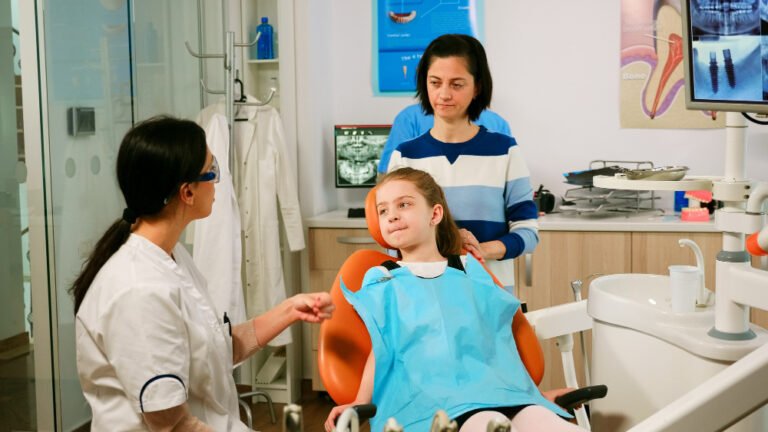
Your child’s mouth changes fast. Baby teeth fall out. Adult teeth push in. Small problems can grow into painful emergencies. Regular preventive checkups protect your child from that pain. During these visits, the dentist spots tooth decay early, cleans away stubborn plaque, and checks how the teeth and jaws grow. This simple habit guards your child’s health, speech, and confidence. It also protects your family budget, because early care costs less than emergency treatment. A trusted dentist in East Liverpool Ohio can guide you through each stage from first tooth to late teens. You learn what snacks harm teeth, how sports guards prevent broken teeth, and when braces might help. Each visit builds trust, lowers fear, and teaches your child to take charge of their own health. With steady checkups, your child gains comfort, safety, and a strong smile that lasts.

1. Checkups catch problems early

Tooth decay is common in children and teens. The Centers for Disease Control and Prevention reports that more than half of teens have had a cavity in their permanent teeth.

During a preventive checkup, the dentist and team:

  • Look for soft spots and early cavities
  • Check old fillings and sealants
  • Review brushing and flossing habits
  • Watch how the jaws and bite line up

Early care keeps teeth strong. It also keeps infections away from the blood and body. Untreated tooth decay can affect eating, sleep, school focus, and mood. A small filling now can prevent a deep infection that needs a root canal or removal later.

Here is a simple comparison of early care and delayed care.

Type of visit Common reason Usual treatment Impact on child Impact on family budget


Preventive checkup Routine cleaning and exam Cleaning, fluoride, sealants, advice Little or no pain Lower cost and planned visit
Early cavity visit Small spot on tooth Small filling Short discomfort Moderate cost
Emergency visit Severe toothache or infection Root canal or removal High pain and stress Higher cost and urgent visit

Regular checkups move your child into the first row. You avoid late-night rushes and frantic calls. You also help your child see the dentist as a safe helper, not a place of fear.

2. Cleanings protect long-term health

Even with careful brushing, children miss spots. Back teeth trap food. Braces catch plaque. Sticky drinks coat the whole mouth. During a preventive visit, the hygienist cleans away plaque and tartar that a toothbrush cannot reach.

That deep cleaning lowers the risk of:

  • Cavities between teeth
  • Gum swelling and bleeding
  • Bad breath that hurts confidence
  • Early bone loss around teeth

The American Dental Association explains that cleanings and fluoride help prevent decay for children and teens. Fluoride treatments during checkups keep weak spots from turning into cavities. Sealants on the biting surfaces of back teeth block food from sitting in deep grooves.

You also get clear, direct coaching. The team can show:

  • Which teeth does your child miss when brushing
  • How long to brush each part of the mouth
  • Which snacks and drinks cause the most damage
  • How sports guards protect teeth during games

This support turns daily brushing and flossing into a firm habit. It also gives your child a sense of control. When children feel control, they fear less. They walk into visits with calm instead of dread.

3. Growth checks guide the future smile

Children’s faces grow in steady stages. Teeth move. Jaws shift. Small changes now can affect chewing, speech, and breathing later. Regular dental checkups let the dentist follow this growth and act at the right time.

During these exams, the dentist may:

  • Watch how upper and lower teeth meet
  • Measure space for incoming adult teeth
  • Check for teeth that are slow to appear
  • Look for signs of grinding or clenching

Timely action can include:

  • Recommending an orthodontic consult
  • Using simple devices that guide jaw growth
  • Removing baby teeth that block adult teeth
  • Suggesting changes in habits like thumb sucking

Early guidance often means shorter time in braces and fewer complex treatments later. It also reduces teasing that can come from crowded or protruding teeth. A child who feels able to smile in photos, speak in class, and laugh with others carries that strength into adult life.

How often should your child go

Most children and teens need a dental checkup every six months. Some need visits more often if they have many cavities, wear braces, or have medical conditions that affect the mouth. The schedule should match your child’s risk and needs.

You can support each visit by:

  • Keeping a steady brushing and flossing routine at home
  • Limiting sugary drinks and sticky snacks
  • Using a mouthguard during sports
  • Bringing a list of questions or concerns

The goal is simple. Catch problems early. Clean away what your child misses. Guide growing teeth in the right direction. With a steady partnership with a trusted dental team, you protect your child’s comfort, health, and courage for many years.
6 Breakthrough Tools Improving Preventive Dental Screenings

0

Your teeth tell a hard truth long before pain starts. Preventive dental screenings catch that truth early. New tools now help your dentist see decay, gum disease, and oral cancer before you feel a single symptom. That early warning protects your health, your wallet, and your peace of mind. Each visit can now include sharper images, faster tests, and clearer answers. You no longer need to guess what is going on in your mouth. Instead, you see it on a screen and hear clear next steps. A Brooklyn heights dentist may use these tools every day. Other providers across the country use them as well. This blog walks through six breakthrough tools changing routine checkups. You learn what each tool does, why it matters, and how it can help you avoid painful treatment later. You gain control before problems grow.

1. Digital X rays

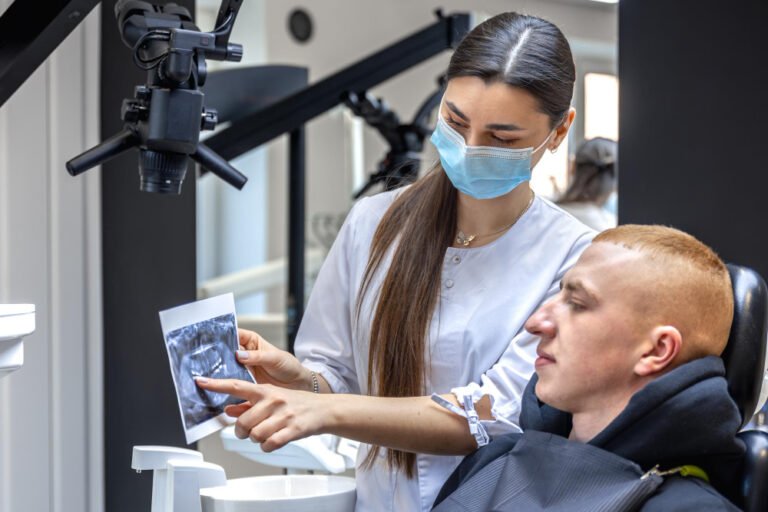
Traditional X rays used film and stronger radiation. Digital X rays use sensors and computer screens. You get a clear picture with less exposure. Your dentist can zoom in, adjust contrast, and spot tiny changes in bone and enamel.

This tool helps your dentist catch:

  • Small cavities between teeth
  • Bone loss from gum disease
  • Infections at the root tip

Digital files store safely. They can move quickly to specialists when needed. You get faster answers and fewer repeat images.

2. Intraoral cameras

An intraoral camera is a small wand with a camera on the end. Your dentist moves it around your mouth. The image shows on a screen in real time. You see what your dentist sees.

This tool supports you in three ways.

  • You see cracks, stains, and worn spots with your own eyes.
  • You understand why a dentist suggests a filling or crown.
  • You can compare images over time to track changes.

Families find this helpful for children. Kids often respond when they see a close up picture of sugar damage. That picture can change daily brushing habits more than words.

3. Laser cavity detection

Some decay hides in grooves on chewing surfaces. A metal explorer may miss early soft spots. Laser cavity detection tools scan teeth with light. The device measures how the tooth reflects that light. Early decay reflects in a different way than healthy enamel.

This tool gives:

  • Early warning before a full cavity forms
  • Numbers that show risk level on each tooth
  • Less need for probing with sharp tools

Early detection means smaller fillings. It also means more chances to stop decay with fluoride and sealants instead of a drill.

4. Fluorescence and light based oral cancer screening

Oral cancer can grow without pain. By the time you feel something, it can be large. Special lights help your dentist see changes in tissue that look normal in regular light.

These tools use blue or other light to make healthy tissue glow in a certain way. Areas that do not glow the same way stand out. Your dentist can then examine them more closely.

According to the National Cancer Institute, early detection of oral cancer raises survival odds. Regular screening during dental visits gives you that chance. It is simple and quick. It can save your life.

5. 3D imaging and cone beam scans

Sometimes a flat X-ray is not enough. A 3D image from a cone beam scan shows teeth, roots, nerves, and bone in more detail. Your dentist can see the exact shape and position of each tooth.

This helps with:

  • Planning implants
  • Checking wisdom teeth before they cause trouble
  • Finding hidden infections

The images help avoid surprises during treatment. They also help you understand risk and options before you decide on care.

6. Saliva and bacteria testing

Your saliva carries clues about your health. New chairside tests can measure the types and levels of bacteria that cause cavities and gum disease. Some tests look at pH, buffering capacity, and other factors that affect decay risk.

This helps your dentist:

  • Rate your personal risk for cavities
  • Choose the right fluoride or rinse
  • Track progress after changes in diet or brushing

The Centers for Disease Control and Prevention notes that untreated decay is common in children and adults. Saliva testing lets you act before a soft spot turns into a cavity.

Comparison of key screening tools

Tool Main use Helps find problems Best for


Digital X rays Image of teeth and bone Cavities, bone loss, infections Most patients at routine visits
Intraoral camera Photos inside mouth Cracks, wear, stains, plaque Visual education for adults and kids
Laser cavity detection Measure early decay Hidden decay in grooves Teens and adults with high cavity risk
Light based cancer screening Check soft tissue Suspicious spots and lesions Adults who use tobacco or alcohol
3D cone beam scan Detailed 3D view Root issues, impacted teeth Implant and surgery planning
Saliva testing Measure bacteria and risk Cavity and gum disease risk Patients with repeat decay

How to use these tools for your family

You do not need every tool at every visit. You do need a dentist who explains which tools fit your risk, age, and history. Ask simple questions.

  • What are you checking for today
  • Which tools are you using and why
  • Can you show me what you see

For children, ask how often they need X-rays and what can reduce that need. Strong brushing, low sugar drinks, and fluoride can cut risk. That can reduce the number of images your child needs over time.

Taking control of your next visit

Preventive screenings work best when you show up on time and ask for clear results. Bring a list of any changes in your health or medicines. Tell your dentist about dry mouth, sores, or bleeding gums. Then ask how these six tools might help.

Technology does not replace a skilled exam. It makes the exam sharper and more honest. When you use these tools, you face problems early, when they are small and less costly. You protect your mouth, your comfort, and your family budget with each preventive visit.

The Connection Between Dental Centers And Preventive Wellness

0

Your mouth tells a hard truth about your health. Bleeding gums, loose teeth, or constant dryness often point to deeper problems in your body. Regular visits to a dental center do more than fix cavities. They protect your heart, lungs, and immune system. They also protect your confidence. You learn your real risk for infections, sleep problems, diabetes, and more. You also get clear steps to stop trouble early. That includes cleanings, screenings, and when needed, treatments like dental implants in Englewood Cliffs, NJ. Each visit gives you a snapshot of your health that blood tests alone may miss. You gain warning signs. You gain time to act. You also gain support from a team that sees patterns you might ignore. This connection between dental care and preventive wellness is strong. When you protect your mouth, you protect the rest of your body.

How Your Mouth Links To Whole Body Health

Your mouth is the front door to your body. Germs in your gums and teeth can move into your blood. Then they reach your heart, lungs, and brain. The Centers for Disease Control and Prevention explains that poor oral health connects to heart disease, stroke, and diabetes.

When plaque builds up, it irritates your gums. Your body responds with swelling and bleeding. This constant response strains your immune system. It also raises your risk for:

  • Heart disease
  • Bad blood sugar control with diabetes
  • Pregnancy problems like low birth weight

Good oral care calms this strain. It gives your body space to heal other problems.

Why Dental Centers Matter For Preventive Wellness

A dental center is more than a place for fillings. It is a health checkpoint. You get three key protections at each visit.

  • Early spotting of disease in your mouth and body
  • Simple care that stops small problems from growing
  • Clear guidance on brushing, flossing, food, and tobacco use

Dentists look for signs of:

  • Gum disease
  • Tooth decay
  • Oral cancer
  • Sleep apnea risk
  • Teeth grinding linked to stress

Every check gives you a chance to act before pain starts. That means fewer lost workdays. It also means fewer emergency visits.

What Preventive Care At A Dental Center Includes

Most preventive visits follow a simple pattern. You can expect three main steps.

  • Cleanings. Staff remove plaque and tartar that brushing misses. This lowers gum swelling and tooth decay.
  • Screenings. The dentist checks your gums, teeth, tongue, and throat. You may also have X-rays.
  • Planning. You get a home care plan. You also learn if you need treatments such as fillings or gum care.

The National Institute of Dental and Craniofacial Research explains how these steps prevent disease.

Dental Visits And Common Health Conditions

Certain health problems grow worse when your mouth is not healthy. Dental centers help you manage three common conditions.

  • Diabetes. Gum disease raises blood sugar. Good gum care can help you keep better control.
  • Heart disease. Germs from gum infection can enter your blood. This may raise your heart risk.
  • Respiratory problems. Germs in your mouth can move into your lungs when you breathe or sleep.

Tell your dentist about any diagnoses and all medicines. Then your care plan can fit your whole body health, not only your teeth.

Checkups Versus Waiting For Pain

Many people wait until they feel tooth pain. That choice often costs more money and time. Regular checkups cost less in the long run. They also protect your comfort.

Care Choice What Usually Happens Common Result


Regular checkups every 6 to 12 months Small problems found early Simple cleanings and small fillings
Waiting until pain starts Decay reaches nerve Root canals, crowns, or extractions
No visits for years Severe decay and gum disease Tooth loss and complex treatment

Routine care is more effective after treatment. Once you fix the disease, each future visit helps you keep what you saved. It also keeps your risk lower for new problems.

Role Of Treatments In Long Term Wellness

Some people need more than cleanings. You may need fillings, gum therapy, or replacement of missing teeth. Each treatment supports preventive wellness.

  • Fillings stop decay from spreading.
  • Gum therapy controls infection and bleeding.
  • Tooth replacement helps you chew and speak clearly.

When you restore missing teeth with options like dental implants in Englewood Cliffs, NJ, you protect your jaw from shrinking. You also reduce strain on your remaining teeth. That support lowers your chance of more tooth loss.

Three Daily Habits That Protect Your Health

Your daily choices matter as much as your visits. Focus on three habits.

  • Brush twice a day. Use fluoride toothpaste. Brush for two minutes, including the gumline.
  • Clean between teeth. Use floss or other cleaners once each day.
  • Limit sugar and tobacco. Choose water, whole foods, and no tobacco products.

These steps sound small. Taken together, they cut your risk for gum disease and tooth decay. They also support steady blood sugar and heart health.

When To Call A Dental Center

Do not wait if you notice any of these warning signs.

  • Bleeding when you brush or floss
  • Loose teeth or receding gums
  • Lasting bad breath
  • White or red patches in your mouth
  • Jaw pain or clicking
  • Snoring with daytime fatigue

Early help can stop small issues from turning into long-lasting damage. Your mouth is part of your body, not separate from it. When you take care of it, you protect your strength, your energy, and your peace of mind.

Emergency Dental Services Provided By Family Dentists

0

Dental pain hits fast. You may feel panic, fear, and confusion. You need care that feels safe and close to home. Family dentists often provide same day emergency help when you face broken teeth, sudden swelling, or bleeding gums. You do not need to search for a new clinic in the middle of a crisis. Instead, you can turn to the team that already knows your health history, your fears, and your goals. Many family offices also offer services like North Atlanta clear aligners, so they can manage both your urgent needs and your long term smile. This steady support can lower stress when every second feels heavy. You learn what counts as a true dental emergency. You see what to do before you reach the office. You also see how early care can protect your teeth and your budget.

What Counts As A Dental Emergency

You may wonder if you should wait or call right away. Pain and damage in your mouth can grow fast. Some problems need same day care. Others can wait a short time.

Common dental emergencies include:

  • Severe toothache that wakes you at night or stops you from eating
  • Knocked out tooth
  • Cracked or broken tooth with pain or sharp edges
  • Swelling in your face or gums
  • Bleeding that does not slow after 10 to 15 minutes of pressure
  • Injury from a fall, sports hit, or car crash

The American Dental Association explains that sudden pain or swelling can signal an infection that needs fast care.

Why A Family Dentist Is Often The Best First Call

In a crisis, you need clear answers. A family dentist can give that because the office already knows you.

  • Your dental records and x rays sit in one place
  • Your medical history and medicines are on file
  • Your fears and past bad visits are known

This knowledge lets the dentist act fast. It also lowers the risk of problems with medicine or numb shots. You spend less time filling out forms and more time getting relief.

Many family offices also treat children and older adults in the same space. That means one trusted team can help your child with a broken tooth from sports and your parent with sudden denture pain.

Common Emergency Services Family Dentists Provide

Family dentists often offer a wide range of urgent care. They may treat the problem the same day or give a short-term fix and plan longer care.

  • Exam and x rays to find the cause of pain
  • Drainage of abscess or infection
  • Root canal to save an infected tooth
  • Repair of broken or chipped teeth with fillings or crowns
  • Reimplantation of a knocked-out tooth when possible
  • Repair or adjust dentures or partials
  • Control of bleeding after trauma

Some offices also offer clear aligner treatment and other routine care in the same setting. That helps you move from crisis back to regular health with no gap in support.

When To Call A Dentist And When To Use The ER

Sometimes you may feel torn between calling your dentist or going to the hospital. The choice matters for your safety, time, and cost.

Situation Call Family Dentist First Go To Emergency Room First


Severe toothache Yes No, unless pain comes with trouble breathing
Knocked out adult tooth Yes, call at once Only if dentist is not reachable
Broken tooth from sports Yes, if no other injury Yes, if you also hit your head or lost consciousness
Facial swelling with fever or trouble swallowing Call, but follow dentist instructions Yes, this can become life-threatening
Heavy bleeding after trauma Call only after bleeding slows Yes, if bleeding will not stop

The Centers for Disease Control and Prevention report that many dental visits in emergency rooms could be handled in dental offices instead. That means higher cost and longer waits for you.

What To Do At Home While You Wait

Your actions in the first minutes can change the outcome. Simple steps can protect teeth and reduce damage.

  • For a knocked-out tooth, pick it up by the crown, not the root
  • Rinse it gently with clean water
  • If you can, place it back in the socket and bite on clean cloth
  • If not, place it in milk or in your cheek, never in plain water
  • For pain, use cold packs on the cheek for short times
  • Use over-the-counter pain medicine as directed if your doctor allows
  • Avoid heat and avoid aspirin on the gum

If swelling grows fast, you feel weak, or you have trouble breathing, call emergency services at once.

How Family Dentists Help Prevent Future Emergencies

Emergency care should not stand alone. It should lead to long-term strength for your teeth and gums. Routine visits let your dentist find small cracks, early decay, and gum disease before they turn into sudden pain.

With a family dentist, you can build three strong habits.

  • Twice yearly cleanings and checkups
  • Daily brushing with fluoride toothpaste and daily flossing
  • Use of mouth guards for sports and night guards for grinding

These simple steps cut the risk of infection, broken teeth, and tooth loss. They also lower the chance that your child faces fear from sudden dental pain.

Planning Ahead For Dental Emergencies

You cannot predict every crisis. You can still prepare. A short plan can save time and calm your mind when pain hits.

  • Store your family dentist phone number in your phone
  • Ask about after-hours and weekend coverage
  • Keep a small dental kit with gauze, a small clean container, and pain medicine your doctor approves
  • Review with your child what to do if a tooth breaks at school or sports

When you know who to call and what to do, you feel less trapped by fear. Your family dentist can stand as a steady partner in both sudden emergencies and quiet daily care.

Why Preventive Dentistry Protects Patients From Costly Treatments

0

You want to avoid pain, missed work, and big bills. Preventive dentistry gives you that protection. It catches small problems early, before they grow into infections, broken teeth, or tooth loss. Regular cleanings, checkups, and X‑rays cost much less than root canals, crowns, or emergency visits. Early care keeps your mouth stable. It also protects your heart, lungs, and blood sugar. You gain control instead of waiting for a crisis. A Fresno dentist can spot tiny changes that you cannot see or feel. That includes weak spots in enamel, early gum disease, and grinding damage. Then you get simple treatment and clear steps at home. You save money, keep more natural tooth structure, and avoid fear in the chair. This blog explains how routine prevention works, what it includes, and how it shields you from painful, costly treatment later.

How Preventive Dentistry Works For You

Preventive dentistry is steady care that keeps teeth and gums strong. You stay ahead of problems instead of chasing them.

Core parts of preventive care include three things.

  • Regular exams and cleanings
  • Daily brushing and flossing
  • Simple added steps like fluoride and sealants

During an exam, your dentist checks your gums, teeth, and bite. X-rays show hidden decay and bone loss. Cleanings remove hard plaque that brushing cannot touch. This slows gum disease and decay. It also keeps breath fresh and teeth easier to clean at home.

The Centers for Disease Control and Prevention explains that almost all adults get cavities at some point. Preventive care cuts that risk. It also lowers the chance that small cavities turn into infections that need root canals or extractions.

The Money Cost Of Waiting For A Problem

When you skip checkups, decay and gum disease grow in silence. You may feel fine. Yet damage spreads under the surface. By the time you feel pain, treatment is often complex and expensive.

Here is a simple comparison of common services. Costs are national estimates in U.S. dollars. Exact prices vary.

Type of Dental Service Purpose Typical Frequency Approximate Cost Range


Routine exam and cleaning Prevent disease and catch early changes Every 6 months $75 to $200
Fluoride treatment Strengthen enamel and prevent cavities Every 6 to 12 months $20 to $50
Dental sealant per tooth Protect chewing surfaces from decay Every few years $30 to $60
Filling for small cavity Repair early decay As needed $100 to $300
Root canal and crown Treat deep infection and rebuild tooth As needed $1,000 to $3,000 or more
Tooth extraction and replacement Remove damaged tooth and restore function As needed $1,500 to $5,000 or more
Emergency visit for dental pain Manage sudden severe symptoms Unplanned $200 to $1,000 or more

Three truths stand out.

  • Prevention costs less than repair
  • Early repair costs less than late crisis care
  • Tooth loss leads to new long-term costs

Routine visits look expensive when you see only one bill. Yet one missed cleaning can grow into a root canal and crown that cost many times more.

Health Problems That Start In The Mouth

Your mouth connects to the rest of your body. Gum disease is not just about red or bleeding gums. It links to heart disease, diabetes problems, and respiratory infections.

The National Institute of Dental and Craniofacial Research reports that almost half of adults over 30 have some form of gum disease. That number climbs with age. Untreated gum disease can lead to tooth loss and bone loss. It can also raise strain on your immune system.

With preventive care, you lower these risks. Cleanings clear bacteria that cause gum infection. Exams catch early swelling and bleeding. Then you get simple steps like improved brushing, flossing, and maybe a short course of treatment. You avoid long, deep cleanings and surgery later.

What Preventive Care Looks Like For Your Family

You can use one clear plan for every family member. You just adjust the details for age and health.

For children, focus on three steps.

  • Regular exams and cleanings starting by age one
  • Fluoride and sealants on back teeth when they come in
  • Help with brushing twice a day and flossing once a day

For adults, focus on three steps.

  • Checkups and cleanings every six months or as your dentist advises
  • Quick care for any new sensitivity, chips, or bleeding
  • Support for healthy habits like quitting tobacco and limiting sugary snacks

For older adults, focus on three steps.

  • Regular visits, even if you have dentures or partials
  • Moisture support for dry mouth from medicines
  • Checks for sores, lumps, or color changes that could signal oral cancer

This steady pattern keeps costs lower across your life. It also keeps chewing, speaking, and smiling more easily at every age.

Simple Daily Habits That Prevent Expensive Work

You control many of the strongest tools for prevention at home. Three daily habits matter most.

  • Brush with fluoride toothpaste twice a day for two minutes
  • Floss once a day to clean between teeth
  • Limit sugary drinks and snacks to mealtimes

When you keep plaque low, your dentist and hygienist can focus on small early changes, not crisis repair. You spend less time in the chair. You also feel calmer during visits because you know what to expect.

Turning Anxiety Into Control

Many people avoid dentists because of fear. That choice often leads to the very pain and expense you fear most. Preventive care breaks that cycle.

When you come in before you hurt, visits are shorter and more gentle. You need less drilling and fewer injections. You see progress instead of decline. Over time your fear softens. You start to feel steady control instead of dread.

If you feel nervous, say that at the start of your visit. Your care team can slow the pace, explain steps, and offer simple comfort tools. That honest talk costs nothing. Yet it can protect you from years of delay and damage.

Take The Next Small Step

You do not need a perfect record to protect your mouth and budget. You just need the next step.

  • Schedule a checkup if it has been more than six months
  • Ask for a clear treatment plan with costs before any work
  • Set reminders for brushing, flossing, and future visits

Each small act of prevention saves money, time, and pain. You keep more of your natural teeth. You reduce medical risks. You protect your family from sudden dental bills that shake your plans. That steady protection is the true power of preventive dentistry.

Why Preventive Dentistry Helps Reduce The Risk Of Major Restorations

0

Major dental work often comes after months or years of quiet damage. You might not feel pain until a tooth needs a crown, root canal, or even removal. Preventive dentistry helps you stop that slow harm before it turns into big treatment. Regular checkups, cleanings, and simple habits at home lower your risk of deep decay, infection, and tooth loss. You save teeth. You also save time, money, and emotional energy. A dentist in Wellesley, MA can spot small changes early and guide you toward quick fixes instead of major procedures. You gain control when you understand how daily brushing, flossing, and routine visits work together. You also lower your risk of sudden emergencies that disrupt work, school, and family life. This blog explains how preventive care protects you from major restorations and helps you keep your natural smile strong for as long as possible.

How Tooth Decay Turns Into Major Restorations

Big treatments usually start with small problems. A tiny soft spot in the enamel grows. Bacteria feed on sugar and produce acid. That acid breaks down the tooth. At first you might not notice anything. Then one day you feel a sharp sting with cold water. After that the ache stays longer. Finally the decay reaches the nerve and you need a root canal or removal.

You avoid this path when you catch decay early. A quick filling in a shallow cavity protects the nerve. A small repair is much easier for your body and your budget. Early care also protects nearby teeth so one weak spot does not spread harm through your mouth.

Why Regular Checkups Matter For Every Family Member

Checkups are your early warning system. You see only the front of your teeth. Your dentist sees the back, the sides, and the hidden spaces. X rays show trouble between teeth and under old fillings before you feel anything.

The Centers for Disease Control and Prevention reports that tooth decay is one of the most common chronic conditions in children and adults. Yet decay is preventable. You lower risk when you follow three basic steps.

  • You schedule cleanings and exams at least twice a year
  • You use fluoride toothpaste every day
  • You limit sugary snacks and drinks between meals

Children, pregnant people, adults, and older adults all gain from this pattern. Each group faces different risks. The core habits stay the same.

Home Habits That Cut Your Risk Of Major Work

You control much of your oral health in your bathroom and kitchen. Routine actions have strong effects over time.

  • Brush two times a day for two minutes with fluoride toothpaste
  • Floss once a day to clear food between teeth
  • Drink water instead of sweet drinks as your default choice

The National Institute of Dental and Craniofacial Research explains that fluoride helps repair weak enamel and stop early decay. When you use fluoride and cut sugar, you give your teeth a chance to heal from small daily damage. You reduce the chance that a small white spot turns into a deep cavity that needs a crown.

Preventive Care Versus Major Restorations

The difference between prevention and major work is clear when you compare time, cost, and stress. The table below gives general patterns. Actual costs vary by place and insurance, but the contrast stays strong.

Type of care What it includes Typical visit time Relative cost Comfort and recovery


Preventive visit Exam, cleaning, X rays, fluoride, sealants About 45 to 60 minutes Low Little or no soreness
Small filling Remove decay and place tooth colored material About 30 to 45 minutes Low to moderate Short numbness, quick return to normal
Crown Shape tooth, place cap, often two visits Two visits of 60 minutes High Soreness, adjustment to bite
Root canal Clean nerve space and seal tooth 60 to 90 minutes or more High Several days of tenderness
Extraction and replacement Remove tooth and replace with bridge or implant Multiple visits Very high Healing time and long process

When you keep up with preventive visits, you spend less time in the chair. You face fewer long treatments. You also avoid the mental strain that comes with serious dental problems.

Sealants And Fluoride For Children

Children often get decay on the chewing surfaces of back teeth. Those grooves trap food and are hard to clean. Sealants place a thin shield over those grooves. The material blocks food and bacteria from reaching the enamel.

Fluoride strengthens teeth that are still growing. That support lasts into adult years. When you combine sealants, fluoride, and regular cleanings, you lower a child’s risk of needing fillings, crowns, or extractions later in life.

How Preventive Visits Support Your Whole Health

Mouth health connects to body health. Gum disease links with diabetes and heart disease. Inflammation in the mouth can stress the rest of the body. When you treat small gum problems early, you reduce bleeding, swelling, and infection. You also protect bone that holds your teeth in place.

During a routine exam, your dentist also checks for signs of oral cancer, dry mouth, and wear from grinding. Early detection lets you act fast. You avoid larger surgeries and complex treatment plans.

Taking Your Next Step Toward Fewer Major Restorations

You cannot erase every risk. You can lower it. You do that by pairing smart home care with steady professional care. You brush with fluoride. You floss every day. You limit sugar. Then you see your dentist on a set schedule and keep those visits, even when your teeth feel fine.

Small choices give you strong protection over many years. You protect your teeth. You protect your savings. You protect your peace of mind. You also give your children a pattern they can carry through life. Preventive dentistry is not extra. It is your main defense against crowns, root canals, and extractions that you would rather avoid.

Why Pulp Therapy Is A Game‑Changer For Primary Tooth Preservation

0

When your child has deep tooth decay or a serious toothache, you may feel pressure to pull the tooth and move on. That choice can create bite problems, speech issues, and long term pain. Pulp therapy gives you another path. It lets you treat the infection, ease pain, and keep the primary tooth working until it is ready to fall out on its own. This care protects your child’s ability to chew, speak, and smile with confidence. It also lowers the chance of crowded permanent teeth later. A pediatric dentist in Los Angeles can use pulp therapy to clean the inside of the tooth, calm the nerve, and seal it from new germs. You see relief. Your child keeps the tooth. You avoid more complex treatment later.

What Pulp Therapy Does For A Primary Tooth

Pulp is the soft center of the tooth. It holds the nerve and blood supply. When germs reach this space, your child can feel sharp pain, throbbing, or swelling. Pulp therapy focuses on saving that tooth instead of removing it.

You can think of it in three steps.

  • Remove the infected or irritated pulp.
  • Protect what remains inside the tooth.
  • Restore the tooth so your child can chew again.

Primary teeth guide permanent teeth into place. They help shape the jaw. They support clear speech. When you pull a primary tooth too early, the nearby teeth can shift into that space. This shift can lead to crowding and expensive treatment later. Pulp therapy keeps the tooth in place so the mouth can grow in a steady way.

Types Of Pulp Therapy For Children

There are two common forms of pulp therapy for primary teeth. Each one has a clear purpose.

Treatment type What it treats What happens during care Usual outcome


Pulpotomy Decay or injury that affects the top part of the pulp but not the root The dentist removes the diseased pulp in the crown of the tooth and leaves the root pulp in place Tooth nerve in the root stays healthy. Tooth stays in the mouth. A crown often covers the tooth
Pulpectomy Severe decay or infection that reaches the root pulp The dentist removes all pulp from crown and roots and fills the roots with safe material Infection clears. Tooth functions until it is ready to fall out on its own

Both treatments usually end with a crown on the tooth. The crown shields the tooth from new damage and helps your child chew without pain.

Why Saving Primary Teeth Matters

Primary teeth are not practice teeth. They matter for your child’s daily life and future health. The Centers for Disease Control and Prevention explains that untreated tooth decay can cause pain and problems eating, speaking, and learning.

When you save a primary tooth with pulp therapy, you help your child in three ways.

  • You protect normal chewing and nutrition.
  • You support clear speech and jaw growth.
  • You lower the chance of crooked permanent teeth.

Early loss of a primary tooth can also affect your child’s mood. Ongoing pain or missing teeth can cause shame and silence. Pulp therapy can end that pain and keep the smile whole.

Pulp Therapy Compared To Extraction

You may wonder if it is easier to pull the tooth. Extraction has a place, but it also has risks. This simple comparison can help you see the tradeoffs.

Question Pulp therapy Extraction


Does the child keep the tooth Yes, tooth stays until it is ready to fall out No, space is left unless a spacer is used
Effect on chewing and speech Chewing and speech stay close to normal Chewing can be harder. Speech sounds can change
Effect on future tooth crowding Helps keep space for permanent teeth Higher chance of shifting teeth and crowding
Need for future treatment Often less need if the tooth stays healthy May need spacers and later orthodontic care

Sometimes a tooth is too damaged to save. In those cases, extraction is the kindest choice. Yet when the root structure is still strong, pulp therapy often gives your child a safer path with fewer long term problems.

What You And Your Child Can Expect

Pulp therapy is planned and careful. You and your child can expect three stages.

  • Evaluation. The dentist checks the tooth, takes X rays, and explains if the pulp is irritated or infected.
  • Treatment visit. The dentist numbs the tooth. Your child should feel pressure but not sharp pain. The dentist removes the diseased pulp, treats the space, and restores the tooth.
  • Follow up. You return so the dentist can confirm healing and bite comfort.

To support healing at home, you can do three simple things.

  • Offer soft foods for the first day if the tooth feels sore.
  • Give any prescribed medicine as directed.
  • Help your child brush and floss around the treated tooth with care.

How To Lower The Chance Of Future Pulp Problems

Pulp therapy can rescue a tooth. You can also act now to lower the chance your child will ever need it. The National Institute of Dental and Craniofacial Research recommends a few clear steps.

  • Brush your child’s teeth twice a day with fluoride toothpaste.
  • Limit sugary drinks and sticky snacks between meals.
  • Schedule dental checkups every six months or as advised.

You can also watch for warning signs of pulp trouble. These signs include pain that wakes your child at night, swelling near a tooth, or a dark change in tooth color. If you see these signs, call the dentist soon. Early care can mean a smaller treatment and less fear for your child.

Choosing Pulp Therapy With Confidence

You carry the weight of each health choice for your child. Tooth pain adds stress and fear. Pulp therapy offers a clear, steady option. You treat the infection. You keep the tooth. You protect eating, speaking, and growth.

When you work with a trained pediatric dentist, you do not face this choice alone. You gain a partner who understands child behavior, pain control, and long term mouth health. With careful planning, pulp therapy can turn a crisis into a controlled step that guards your child’s smile for years.

How Family Dentistry Ensures Safe, Effective Smile Transformations

0

You want a smile that looks natural and feels strong. You also want care that does not put your health at risk. Family dentistry gives you both. It blends steady prevention, careful planning, and safe treatment. You get one trusted team that knows your history, your fears, and your goals. This matters when you choose whitening, veneers, crowns, or Invisalign. A family dentist checks your gums, bite, and jaw before any change. Then you get honest guidance about what your mouth can handle. You hear clear steps, costs, and risks. You stay in control. If you see a dentist in Richmond, VA, you can expect this same approach. The aim is simple. Protect your teeth. Support your body. Shape a smile that lasts.

Why safety comes first in smile changes

Any change to your smile affects more than looks. It touches your bone, gums, nerves, and how you chew. That is why safety must come first. A family dentist understands your full health story. This lowers the chance of infection, pain, or damage to healthy teeth.

Before treatment your dentist will usually

  • Review your medical and dental history
  • Check your gums for bleeding, swelling, or infection
  • Take x rays or photos to see roots and bone
  • Measure your bite and jaw movement

The American Dental Association explains that x rays help spot hidden decay and bone loss early. You can read more at the ADA MouthHealthy x ray guide. This kind of check keeps your treatment safe and on track.

How prevention supports smile transformations

Strong teeth and clean gums are the base for any change. You cannot build a lasting smile on infection or decay. Family dentistry focuses on three core steps before and after cosmetic work.

  • Routine cleanings to remove plaque and tartar
  • Fluoride and sealants for children and teens
  • Coaching on brushing, flossing, and diet

The Centers for Disease Control and Prevention shows that fluoride lowers tooth decay for both children and adults. You can see the data at the CDC oral health fast facts page. When decay and gum disease stay under control, whitening and restorations last longer and feel more stable.

Common smile treatments and how family dentistry keeps them safe

Family dentists often provide both health care and smile changes in one place. That gives you clear choices that match your age, budget, and health. Below is a simple comparison of common options.

Treatment Main purpose Best for Key safety checks


Professional whitening Lighten stained or dark teeth Adults and older teens with healthy enamel Check for decay, cracks, and gum recession
Tooth colored fillings Repair cavities and match tooth color Children and adults with small to medium decay Use rubber shield, control moisture, match bite height
Crowns Cover weak or broken teeth Teeth with large fillings or cracks Check root health, measure bite, fit margins closely
Veneers Change shape and color of front teeth Adults with strong enamel and steady bite Plan tooth reduction, protect nerve, avoid overuse
Invisalign or clear aligners Straighten teeth and adjust bite Teens and adults with crowding or gaps Review jaw joints, growth in children, cleaning habits

How your age shapes safe treatment choices

A family dentist treats toddlers, teens, adults, and older adults. Each stage needs a different plan for safe smile changes.

  • Children. Focus on cleanings, sealants, fluoride, and simple fillings. Cosmetic work stays limited. Teeth and jaws still grow.
  • Teens. Orthodontic care is common. Whitening may wait until braces come off. Your dentist still checks growth plates and sports risks.
  • Adults. Many seek whitening, crowns, veneers, and aligners. Your dentist checks stress, clenching, and past dental work before big changes.
  • Older adults. Care may include bridges, implants, or partial dentures. Your dentist reviews medicines, dry mouth, and bone level first.

This steady care through each stage keeps your choices safe and your results stable.

Steps in a safe smile transformation

Safe change follows a clear path. You should know what will happen and why. Expect three main phases.

  • Phase one. Health first. Treat cavities. Calm gum disease. Fix infections. Adjust high spots on teeth. Many people find their smile already looks better when pain and swelling stop.
  • Phase two. Plan your new smile. Share what you like and do not like. Your dentist may use photos, molds, or digital scans. You may see a mockup so you know the likely look before any tooth is shaped.
  • Phase three. Protect the results. Wear night guards if you grind. Use retainers after Invisalign. Keep cleanings and checkups. Small repairs stay small when your dentist watches them over time.

How family dentistry protects your whole body

Oral health links to your heart, blood sugar, and pregnancy outcomes. Gum infection can raise inflammation in your body. A family dentist knows your history with blood pressure, diabetes, or pregnancy. That shapes safe choices about numbing medicine, timing, and treatment length.

For example, if you have diabetes your dentist may

  • Schedule shorter visits
  • Time treatment with your meals and medicines
  • Watch closely for slow healing or infection

This same careful approach helps people who take blood thinners, have heart disease, or live with anxiety. Your mouth and body stay in sync.

What you can do to support safe smile changes

You share control of your care. Your choices before, during, and after treatment affect the outcome. You can

  • Share your full medical history and medicine list
  • Ask for clear explanations and written steps
  • Follow home care directions and use any trays or guards
  • Keep every follow up visit, even if you feel fine
  • Call if you notice pain, swelling, looseness, or sharp edges

Change can stir fear or doubt. A family dentist expects that. Honest talk and steady support help you move from fear to calm control.

Choosing a family dentist for lasting change

Safe, effective smile transformations do not depend on fancy tools. They depend on trust, planning, and follow through. A family dentist offers all three for every person in your home. You get one place that knows your history and honors your limits. That kind of care protects your health and shapes a smile that feels like you.

Why Personalized Treatment Planning Matters In Implant Dentistry

0

ental implants can restore your bite, your speech, and your self-respect. Yet the same treatment plan will not work for every mouth. Your bone, gums, health history, and daily habits are unique. So your implant plan must match your body and your life. A rushed, copy-paste plan can lead to pain, infection, or implant failure. Careful planning lowers those risks. It also shortens healing time and reduces surprise costs. A dentist in Great Falls who studies your specific needs can choose the right implant type, size, and placement. Then you get a result that looks natural, feels steady, and lasts longer. This blog explains why a personal plan matters before surgery, during placement, and after healing. It shows what questions you should ask and what choices you should expect. You deserve a clear plan that respects your health and your limits.

Why your mouth needs its own plan

Your mouth is as unique as your fingerprint. No one else has your mix of bone shape, gum health, bite pattern, or medical history. So an implant plan that worked for someone else can fail for you.

Research from the National Institute of Dental and Craniofacial Research shows that implant success depends on bone quality, gum health, and health conditions such as diabetes or smoking. A personal plan studies each of those factors before anyone touches your jaw.

With a custom plan, your dentist can

  • Check if you have enough bone to hold an implant
  • Look for gum infection that could spread around the implant
  • Review medicines that affect healing or bleeding
  • Match the implant to your bite and smile line

Without this level of care, even a strong implant can fail. With it, you give the implant a fair chance to last many years.

What goes into a personalized implant plan

A good plan feels slow and careful. That pace protects you. You should expect three main steps.

1. Detailed check of your health and mouth

Your dentist asks about your health, medicines, and past dental work. You may feel tired of forms and questions. Yet each answer guides a safer plan.

You may also receive

  • X rays or 3D scans to measure bone height and width
  • Gum checks to look for bleeding, swelling, or deep pockets
  • Bite checks to see how your teeth meet when you chew

These tests show if you need gum treatment or bone grafting before you get an implant. Early treatment often prevents failure later.

2. Clear goals for function and appearance

Next, you and your dentist set goals. You might want to chew on both sides again. You might want to close a gap in your smile. You might want something that is easy to clean and maintain.

When your goals are clear, the plan can cover

  • How many implants you need
  • Where each implant should sit
  • What type of crown or bridge will you receive?
  • How long will healing take at each step?

3. A step-by-step surgery and healing schedule

You should see a written plan that explains each visit in order. This schedule can include tooth removal, bone grafting, implant placement, healing checks, and final crown placement.

This level of detail gives you time to plan for rides, time off work, and child care. It also helps you plan for costs and insurance.

How personalized planning affects success and risk

You want to know your chance of success. You also want to know what can go wrong. Honest planning covers both.

The table below compares rushed, one-size-fits-all planning with careful personalized planning.

Planning style Typical features Short term result Long term risk


Rushed, standard plan
  • Limited scans
  • Little review of health history
  • Same implant type for most patients
  • Faster surgery date
  • Less time to ask questions
  • Higher chance of infection
  • More stress on bone and gums
  • Greater chance of implant loosening or loss
Personalized plan
  • Full scans and gum checks
  • Review of health and medicines
  • Custom choice of implant size and position
  • More visits before surgery
  • Clear written steps and costs
  • Better chance of long term success
  • Smoother healing
  • Lower need for repair or retreatment

According to the Centers for Disease Control and Prevention, tooth loss is linked to gum disease, smoking, and chronic illness. A personal plan addresses these risks before you receive an implant. That step can protect both your mouth and your general health.

Planning around age, health, and lifestyle

A strong plan respects your daily life. You should talk about

  • Age and bone changes
  • Heart disease, diabetes, or autoimmune conditions
  • Smoking or vaping
  • Sports or work that can cause jaw injury
  • Comfort with anesthesia and recovery

For example, if you smoke, your dentist may suggest a stop plan before and after surgery. If you have diabetes, your dentist may work with your doctor to keep your blood sugar steady during healing.

Questions you should ask before saying yes

You deserve straight answers before you agree to treatment. You can ask

  • What are my other choices besides implants
  • How many implants like mine have you placed
  • What are my personal risk factors
  • What will you do to lower those risks
  • How long will each step take to heal
  • What symptoms should make me call you right away

If you feel rushed or dismissed, you can pause. You can seek a second opinion. A caring dentist will respect that choice.

How a good plan supports your family

Implant treatment affects your whole household. You may need help with rides, meals, or child care. A clear plan lets your family prepare and support you.

With a written schedule and cost outline, you can

  • Plan days off work
  • Arrange help with cooking while you eat soft food
  • Prepare children so they know what to expect
  • Set aside money for each step

This planning reduces fear. It also builds trust between you and your care team.

Taking your next step

Personalized treatment planning is not a luxury. It is protection for your health, your time, and your savings. You should expect your dentist to study your mouth, listen to your goals, and design a plan that fits you.

When you see that level of care, you can move forward with more peace. You are not just receiving a screw in the bone. You are choosing a long-term part of your body. You deserve a plan that treats it with respect.

5 Benefits Of Preventive Dental Care For Families

0

Preventive dental care protects your family from pain, cost, and worry. You do not wait for a tooth to break or an infection to spread. Instead, you stop problems early when they are small and easy to treat. Regular checkups, cleanings, and X-rays help you avoid sudden emergencies and late-night trips for relief. They also keep your smile steady and strong through every stage of life. When you choose a Steamboat Springs dentist who focuses on prevention, you give your children a calm start with dental visits. You also gain clear guidance on brushing, flossing, and food choices that protect teeth at home. This blog explains five direct benefits of preventive dental care for families. You will see how it saves money, lowers stress, protects health, and builds steady habits that support your family year after year.

1. You prevent tooth decay and gum disease

Tooth decay and gum disease start small. You often cannot see or feel early damage. A routine visit finds these silent problems before they turn into pain.

During a checkup, the dental team will usually:

  • Check each tooth for soft spots or cracks
  • Measure your gums for early signs of infection
  • Remove plaque and tartar that brushing misses

Early treatment keeps teeth in place. It also lowers the need for root canals or extractions. The Centers for Disease Control and Prevention explains that untreated cavities can lead to infection and trouble eating and speaking.

For your family, this means fewer missed school days and work days. It also means less fear. Your child learns that most visits are quick and calm, not painful.

2. You save money and time over the years

Preventive care costs less than emergency care. A cleaning and exam are small costs compared with a crown or a dental implant.

The pattern is clear. You pay a little now to avoid paying a lot later. The table below shows a simple comparison of typical costs and time for common services. These are sample ranges, not exact fees.

Type of visit Example services Typical cost range per person Average visits or hours


Preventive visit Exam, cleaning, X-rays, fluoride $100 to $300 1 visit, about 1 hour
Early treatment Small filling $150 to $300 1 visit, about 1 hour
Late treatment Large filling, crown $800 to $2,000 1 to 2 visits, several hours total
Emergency care Root canal, extraction $1,000 to $3,000 Multiple visits, time off work or school

Regular care also protects you from sudden bills that strain your budget. You can plan for routine visits. You cannot plan for a broken tooth on a weekend.

3. You protect your whole body health

Your mouth connects to the rest of your body. Infections in your gums or teeth can spread through your blood. They can also raise your risk for other health problems.

Research shows links between poor oral health and conditions like:

  • Heart disease
  • Stroke
  • Diabetes problems
  • Pregnancy complications

The National Institutes of Health notes that oral infections can affect overall health, especially with ongoing diseases.

When you keep your mouth clean, you lower harmful bacteria. You also make it easier to eat healthy food like fruits, vegetables, and lean protein. That supports your immune system and energy.

4. You build strong habits for your children

Children watch what you do. When they see you brush, floss, and keep dental visits, they learn that mouth care is normal and expected.

Preventive visits help you:

  • Teach correct brushing and flossing steps
  • Set a steady routine in the morning and at night
  • Limit sugary snacks and drinks without making your child feel punished

Regular visits also reduce fear. Your child meets the dental team when there is no emergency. These calm visits help your child trust the process. That trust carries into teen years and adulthood.

For teens, preventive care can catch problems from sports or grinding. It can also support choices like mouth guards or braces. This lowers the chance of future pain or tooth loss.

5. You improve confidence and daily comfort

A healthy mouth affects how you feel in public and at home. Clean teeth and fresh breath can change how you speak, smile, and eat with others.

Preventive care can:

  • Remove stains and plaque that cause embarrassment
  • Reduce bad breath that lingers even after brushing
  • Keep teeth aligned so chewing feels easy

Chronic mouth pain wears down your mood. It makes work, sleep, and parenting harder. By stopping problems early, you protect your comfort. You also protect your patience with your children and partner.

How to build a simple family preventive plan

You do not need a complex schedule. You need steady steps that everyone understands and follows.

Use this simple rule of three:

  • Three daily habits. Brush twice and floss once each day.
  • Three dental checkups over two years. Aim for one visit every six months.
  • Three food goals. Water with meals, fewer sugary drinks, and treats with meals instead of alone.

Write these steps on a card and post it near the sink. Turn them into clear house rules. Praise your child when they follow the routine. Use a chart or stickers if that helps keep the pattern steady.

Taking the next step

Preventive dental care is not about perfect teeth. It is about less pain, fewer bills, and calmer days for your family. When you schedule regular visits and stick to simple home habits, you give your children a strong base for life.

If it has been more than six months since your last exam, schedule a visit for each family member. Ask your dental team to walk you through your personal risks and the best steps for your home routine. You deserve a plan that keeps small problems small and protects your family’s health and peace of mind.