Home Blog Page 10

If Data Annotation Tech Is Legit?

0

Proven Steps To Take After A Car Accident In Las Vegas To Protect Your Injury Claim

0

A crash in Las Vegas can shock you, even if it seems small. Your heart races. Your mind jumps from fear to anger to confusion. In those first moments, you might say or do things that later hurt your injury claim. You might trust an insurance adjuster who sounds helpful. You might skip medical care because you “feel fine.” You might post on social media to vent. Each choice matters. This guide gives you clear steps to protect yourself, your health, and your claim. You will learn what to say at the scene, what to avoid, and how to document proof that supports your story. You will also see how timing, treatment, and records influence any payment you may receive. For more detailed support, visit blakefriedmanlaw.com, but start with these steps so you do not lose rights you need.

Step 1: Move to safety and call 911

First, check yourself and others for pain or bleeding. If you can, move to a safe spot away from traffic. Turn on hazard lights. Set out flares or cones if you have them.

Next, call 911. Tell the operator there has been a crash. Say if anyone is hurt. Ask for both police and medical help. In Nevada, police reports matter for injury claims. The report records time, place, and what officers see.

Then wait for help. Do not leave the scene unless an officer tells you to leave or you need emergency care.

Step 2: Stay calm in what you say

Your words at the scene can help or harm your claim. Fear and guilt can push you to say things that are not true.

  • Do not say “I am sorry” or “It was my fault”
  • Do not guess about speed, distance, or cause
  • Do not argue with the other driver

Instead, share only basic facts with police.

  • Your name, address, and phone number
  • Your license and insurance details
  • Simple facts such as where you were coming from and where you were going

Tell the officer if you feel pain, stiffness, or dizziness. If you feel shaken and cannot speak clearly, say that too.

Step 3: Gather proof at the scene

Evidence fades fast in Las Vegas traffic. Skid marks fade. Cars move. People forget. You protect your claim when you act quickly.

Use your phone if you can.

  • Take clear photos of all cars from many angles
  • Take close photos of damage, road signs, and any debris
  • Photograph skid marks, broken glass, and traffic signals

Next, look for witnesses. Ask for their names, phone numbers, and email addresses. Ask if they will wait for police. If they cannot stay, ask if they can write a short note in your phone about what they saw.

Also, note details that you might forget later.

  • Weather and road conditions
  • Time of day
  • Any work zones or lane closures

Step 4: Get medical care right away

Many crash injuries hide for hours or days. Your body floods with stress hormones. That can mask pain. You might feel “fine” and later wake up stiff, sore, or dizzy.

Go to an emergency room or urgent care the same day if possible. Tell the doctor you were in a car crash. List every symptom, even minor ones.

  • Neck or back pain
  • Headache or pressure
  • Nausea or confusion
  • Tingling or numbness

Prompt care protects your health. It also creates a clear record that links your injuries to the crash. The Centers for Disease Control and Prevention explains that car crashes are a leading cause of serious injury. Early treatment can limit long term harm.

Step 5: Report the crash to your insurance the right way

Most policies require quick notice of a crash. Call your insurer as soon as you can. Give basic facts only.

  • Time and place of the crash
  • Names of drivers
  • Police report number if you have it

Do not guess about injuries or long term costs. You can say “I am still getting checked by doctors” or “I am not sure yet.” If another driver’s insurer calls, stay cautious. You can say you will speak after you have legal advice.

Step 6: Protect your claim with strong records

Strong claims rest on clear records. Treat your claim like a file that you build day by day.

  • Keep all medical records and bills
  • Save pay stubs that show missed work
  • Store repair estimates and photos of your car

Also, keep a simple crash journal. Each day, write the date and note your pain level, limits on movement, missed events, and sleep problems. Honest daily notes can help show how the crash changed your life.

Step 7: Use caution with social media

Insurers often check social media. A single post can harm your claim.

  • Do not post photos or comments about the crash
  • Do not joke about injuries
  • Do not share photos that make you look very active while you say you are hurt

You can adjust privacy settings. Even then, assume anything you share could be seen and used against you.

Common steps that help or hurt your claim

Action Effect on Your Claim Why It Matters


Calling 911 and getting a police report Helps Creates an official record that supports your version of events
Taking photos and getting witness contacts Helps Gives clear proof about damage, conditions, and fault
Seeing a doctor the same day Helps Links injuries to the crash and supports medical bills
Skipping or delaying medical care Hurts Lets insurers claim your injuries came from something else
Posting about the crash on social media Hurts Gives insurers quotes or photos to twist against you
Admitting fault at the scene Hurts Can limit your right to payment even if you were not at fault

Know your rights in Nevada

Nevada uses a fault based system. That means the driver who is more at fault usually pays for injuries and damage. If you are partly at fault, you might still recover money as long as you are not more at fault than the other driver. The Nevada Department of Motor Vehicles explains crash reporting rules and insurance basics on its site at the Nevada DMV Driver License Home.

Every case is different. The size of your claim can depend on three things.

  • How badly you are hurt
  • How clear the proof of fault is
  • How consistent your treatment and records are

Step 8: Talk with a legal professional early

After a crash in Las Vegas, you face medical visits, missed work, car repairs, and pressure from insurers. You do not need to face this alone. A legal professional who handles injury claims in Nevada can explain your rights, speak with insurers for you, and help you avoid missteps.

Reach out as soon as you can after the crash. Early guidance often prevents claim damage that cannot be fixed later. You protect your health. You protect your family. You protect your future claim by taking these steps one by one, starting today.

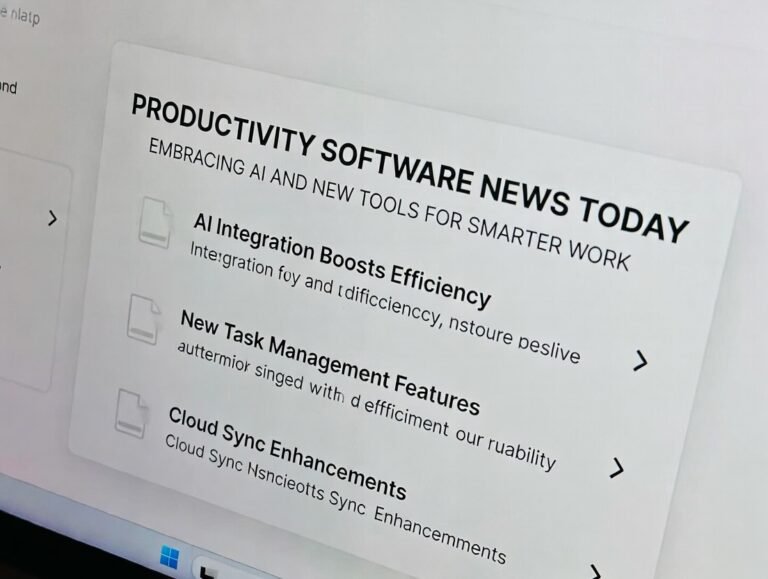
Productivity Software News Today: Embracing AI and New Tools for Smarter Work

0

Flocculant in Swimming Pools

0

When to Reach for Flocculant


Wearables FeedWorldTech Easy Reading Guide

0

Imagine waking up to a gentle vibration on your wrist, reminding you to start your day with a quick stretch. That’s the magic of wearables – those handy devices that blend seamlessly into our routines. In this exploration of wearables FeedWorldTech, we’ll dive into how these tech wonders are shaping our world, one step at a time. Whether you’re a fitness enthusiast or just curious about the latest gadgets, this guide keeps things straightforward and fun.

Understanding the Basics of Wearables

Wearables are more than just fancy accessories; they’re smart tools that track, notify, and even motivate us. Think of them as your personal assistant strapped to your body. In the context of wearables FeedWorldTech, we see how these devices connect us to a broader tech ecosystem, making life easier without overwhelming us.

At their core, wearables include items like smartwatches, fitness bands, and even smart rings. They use sensors to monitor things like heart rate or steps taken. What makes wearables FeedWorldTech stand out is the focus on user-friendly designs that anyone can pick up and use right away.

Why Wearables Matter Today

  • Health Monitoring: Wearables help keep an eye on your vitals, alerting you to potential issues early.
  • Convenience: Get notifications without pulling out your phone.
  • Style Integration: Modern wearables blend fashion with function, so they look good too.

The Evolution of Wearables in Tech

Wearables have come a long way from bulky calculators on wrists. Back in the day, they were simple timekeepers, but now, in wearables FeedWorldTech, they’re hubs for data and connectivity. This shift happened as technology got smaller and smarter, allowing for more features in compact forms.

Remember the first fitness trackers? They just counted steps. Today, wearables FeedWorldTech highlights advanced models that analyze sleep patterns and suggest workouts. It’s like having a coach in your pocket – or on your arm.

Key Milestones in Wearable Development

  • Early 2000s: Basic pedometers pave the way.
  • Mid-2010s: Smartwatches explode with app support.
  • Now: Integration with AI for personalized insights.

This progression shows how wearables FeedWorldTech is pushing boundaries, making tech accessible to everyone.

How Wearables Enhance Daily Life

Picture this: You’re out for a run, and your wearable buzzes with encouragement to push a little harder. That’s the everyday impact of wearables. In wearables FeedWorldTech, we emphasize practical uses that fit into real lives, not just sci-fi fantasies.

For busy parents, wearables can track activity while juggling kids. Office workers use them for reminders to stand and move. Even seniors benefit from fall detection features. Wearables FeedWorldTech brings these stories to light, showing real-world applications.

Benefits for Different Lifestyles

  • Fitness Fans: Detailed metrics on calories burned and routes taken.
  • Professionals: Calendar syncs and quick email glances.
  • Travelers: GPS navigation right on your wrist.

Choosing the Right Wearable for You

With so many options, picking a wearable can feel tricky. But wearables FeedWorldTech simplifies it by focusing on what matters: your needs. Start by asking what you want – health tracking, music control, or payments?

Budget plays a role too. Entry-level wearables offer basics without breaking the bank, while premium ones add extras like ECG monitoring. In wearables FeedWorldTech, we recommend trying them in stores to feel the fit.

Factors to Consider When Buying

  • Battery Life: Look for at least a day’s worth.
  • Compatibility: Ensure it works with your phone.
  • Water Resistance: Great for swimmers or rainy days.

Remember, the best wearable is one you’ll actually wear daily. Wearables FeedWorldTech guides you toward choices that match your routine.

Wearables and Health: A Closer Look

Health is a big driver for wearables. These devices track heart rhythms, oxygen levels, and more, giving insights that once required doctor visits. Wearables FeedWorldTech explores how this empowers people to take charge of their wellness.

For example, during workouts, wearables monitor intensity to prevent overexertion. They also log sleep, helping you improve rest. In wearables FeedWorldTech, we share tips on using this data wisely, without getting obsessed.

Health Features Explained

  • Heart Rate Tracking: Continuous monitoring for anomalies.
  • Activity Logs: Charts your progress over time.
  • Stress Management: Guided breathing exercises built-in.

Always consult professionals for medical advice, but wearables FeedWorldTech shows how they complement healthcare.

The Role of Wearables in Productivity

Who knew a tiny device could boost your output? Wearables do just that by handling small tasks, freeing your mind. In wearables FeedWorldTech, we see them as productivity partners, not distractions.

Set timers for focused work sessions or get nudged to take breaks. Voice commands let you dictate notes hands-free. Wearables FeedWorldTech highlights apps that integrate with calendars for seamless planning.

Productivity Hacks with Wearables

  • Task Reminders: Vibrate alerts for meetings.
  • Focus Modes: Block notifications during deep work.
  • Goal Setting: Track daily achievements.

Incorporating wearables into your workflow can transform chaotic days into organized ones.

Fashion Meets Function in Wearables

Gone are the days of clunky gadgets. Today’s wearables are stylish, with customizable bands and faces. Wearables FeedWorldTech celebrates this blend, where tech doesn’t sacrifice looks.

Choose leather straps for a professional vibe or silicone for sports. Some even mimic classic watches. In wearables FeedWorldTech, we discuss trends like minimalist designs that appeal to all ages.

Styling Tips for Wearables

  • Mix and Match: Pair with outfits for versatility.
  • Customization: Change watch faces to suit moods.
  • Accessories: Add charms or protectors for personality.

Wearables FeedWorldTech proves you can be tech-savvy and fashionable.

Wearables for Entertainment On the Go

Entertainment isn’t limited to screens anymore. Wearables let you control music, podcasts, and even games from your wrist. Wearables FeedWorldTech dives into how this makes downtime more enjoyable.

Skip tracks during commutes or answer calls mid-jog. Some wearables support audiobooks too. In wearables FeedWorldTech, we explore emerging features like AR integration for fun overlays.

Entertainment Options

  • Music Control: Playlists at your fingertips.
  • Notifications: Stay updated on shows or scores.
  • Gaming: Simple games for quick breaks.

This portability keeps entertainment accessible anywhere.

The Future of Wearables: What’s Next?

Looking ahead, wearables are set to get even smarter. Think brainwave monitoring or seamless home integration. Wearables FeedWorldTech predicts a world where these devices anticipate needs.

Advancements in battery tech mean longer life, and AI will personalize experiences more. In wearables FeedWorldTech, we envision wearables as central to smart living.

Emerging Trends

  • Health AI: Predictive analytics for wellness.
  • Eco-Friendly Designs: Sustainable materials.
  • Integration: With cars, homes, and more.

The horizon for wearables FeedWorldTech is bright and innovative.

Challenges and Solutions in Wearables

No tech is perfect. Wearables face issues like privacy concerns or short battery life. But wearables FeedWorldTech addresses these head-on with practical advice.

For privacy, use secure apps and review permissions. Charge smartly to extend battery. In wearables FeedWorldTech, we share user stories of overcoming hurdles.

Common Issues and Fixes

  • Data Security: Enable two-factor authentication.
  • Comfort: Adjust straps for all-day wear.
  • Accuracy: Calibrate sensors regularly.

With these tips, wearables become reliable companions.

Wearables for Kids and Families

Wearables aren’t just for adults. Kid-friendly versions teach responsibility while keeping parents connected. Wearables FeedWorldTech covers safe options with fun features.

Track locations or set activity goals. Games encourage movement. In wearables FeedWorldTech, we stress age-appropriate tech.

Family-Friendly Features

  • Parental Controls: Monitor usage.
  • Educational Apps: Learning through play.
  • Durability: Built to withstand rough play.

This makes wearables a family affair.

Integrating Wearables with Other Tech

Wearables shine when connected. Sync with phones, smart homes, or cars for a unified experience. Wearables FeedWorldTech explains easy setups.

Control lights or check weather – all from your wrist. In wearables FeedWorldTech, integration is key to modern tech.

Integration Examples

  • Smart Home: Voice commands for devices.
  • Fitness Apps: Share data with trainers.
  • Payments: Tap to pay securely.

This ecosystem enhances everyday convenience.

User Reviews and Experiences

Real people love sharing their wearable stories. In wearables FeedWorldTech, we gather insights from users who’ve transformed their habits.

One user said wearables helped them lose weight by tracking meals. Another praised notification management. Wearables FeedWorldTech brings these voices to the forefront.

What Users Say

  • “Life-changing for my runs!”
  • “Keeps me organized at work.”
  • “Fun way to stay healthy.”

These testimonials show the true value.

Maintaining Your Wearable Device

To keep wearables performing, regular care is essential. Clean screens and update software. Wearables FeedWorldTech offers simple maintenance guides.

Avoid extreme temperatures and charge properly. In wearables FeedWorldTech, longevity is about smart habits.

Maintenance Tips

  • Cleaning: Use soft cloths.
  • Updates: Install promptly for features.
  • Storage: Keep in cases when not in use.

Proper care ensures years of use.

Wearables in Sports and Athletics

Athletes swear by wearables for performance edges. Track metrics like speed or recovery. Wearables FeedWorldTech spotlights pro-level tools.

Coaches use data for training plans. In wearables FeedWorldTech, it’s about pushing limits safely.

Sports Applications

  • Performance Tracking: Real-time stats.
  • Injury Prevention: Alert for strains.
  • Team Sync: Share data with groups.

Wearables elevate the game.

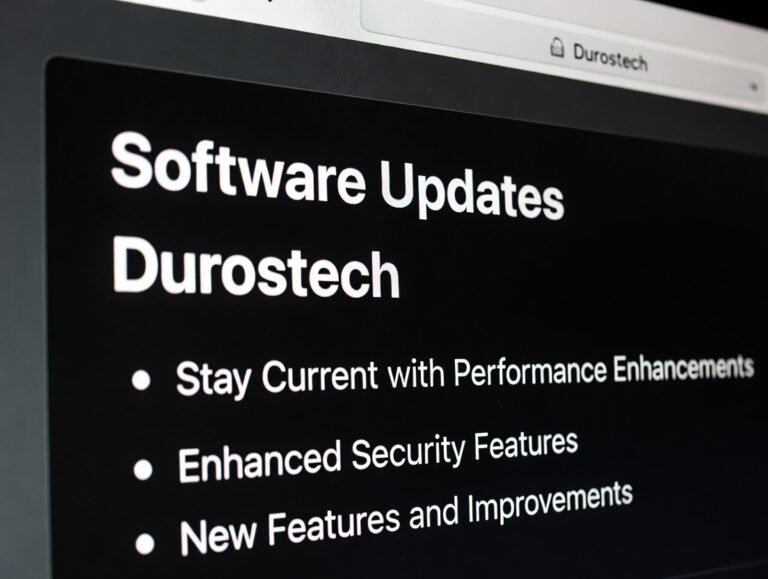
Software Updates Durostech: Stay Current with Performance, Security, and New Features

0

Software updates durostech keep your systems running smooth, safe, and full of fresh tools. Durostech focuses on helpful tech solutions for everyday users, small businesses, and developers. Regular updates fix problems, make things faster, and add smart features that save time. Many people visit durostech.com to find clear guides and tips on these changes.

What Makes Software Updates Durostech Important?

In today’s world, software needs constant care. Old versions slow down, open security holes, or stop working with new devices. Software updates durostech solve these issues head-on. The team at Durostech releases updates that improve how programs run, protect your data, and add small but useful changes.

Updates matter because:

  • They close gaps that hackers could use.
  • They make apps load quicker and use less battery or CPU.
  • They fix crashes so work does not stop.
  • They bring new ways to do tasks easier.

A 2025 report showed companies that apply updates fast cut security incidents by up to 60%. Durostech helps users do this with simple steps and clear notes.

Background on Durostech and Its Focus on Updates

Durostech started as a place for practical tech help. The site durostech.com shares articles on software tools, cybersecurity, automation, and more. Writers like Tomrion Delmas and Helonis Pomkan create easy guides for real problems.

The brand pushes “innovative solutions” that make tech simpler. Many posts talk about update challenges, like slow downloads or failed installs. Durostech stands out by giving direct advice and often points to its own reliable fixes.

Software updates durostech form a big part of this mission. The team knows users want fast, safe systems without confusion. That is why updates get attention in posts and guides.

Key Benefits You Get from Software Updates Durostech

Durostech updates deliver real gains. Here are the main ones:

Faster Performance

  • Shorter load times for apps and pages.
  • Better use of memory so your computer feels light.
  • Smoother work on older devices too.

Stronger Security

  • Patches stop known threats before attacks happen.
  • New encryption keeps data private.
  • Better login checks, like multi-factor steps.

Fewer Bugs and Crashes

  • Fixes stop programs from freezing.
  • Smoother flow when you switch tasks.
  • Less need to restart often.

New Tools and Features

  • Extra options that save clicks.
  • Better links to other apps you use.
  • Small changes that make daily work nicer.

These perks help home users, remote workers, and small teams stay productive.

How Durostech Handles Software Updates

Durostech follows a clear process for updates:

  1. Spot Issues Early – Teams watch user reports and test systems.
  2. Build Fixes – Coders write solutions for bugs and speed.
  3. Test Thoroughly – Changes run in safe test areas first.
  4. Release Safely – Updates roll out in stages so nothing breaks big.
  5. Share Notes – Simple changelogs explain what changed and why.

This careful way reduces surprises. Many users say updates feel smooth and quick.

Real Examples of Software Updates Durostech in Action

Posts on durostech.com show common update stories:

  • One guide explains slow updates on certain tools and gives fixes like clearing cache or checking internet.
  • Another covers endpoint security updates that shield remote workers from threats.
  • A post on AI testing tools notes how updates add smarter test ideas automatically.

Outside durostech.com, similar updates appear in cloud tools and business apps. For example, performance boosts cut startup time by 20% in some 2025 releases. Security layers block new attack types right away.

Step-by-Step: How to Apply Software Updates Durostech

Follow these easy steps to stay current:

  1. Visit durostech.com often for news.
  2. Check your software settings for “Check for Updates.”
  3. Turn on auto-updates if the tool allows it.
  4. Back up important files first.
  5. Install when you have time (not during busy work).
  6. Restart if asked.
  7. Test the program to make sure everything works.

These steps take only minutes but keep you safe.

Tips to Get the Most from Software Updates Durostech

Use these ideas to make updates easier:

  • Set a reminder once a week to check.
  • Read release notes before you install.
  • Join email lists for alert on big changes.
  • Ask in forums if something looks odd.
  • Keep devices clean (delete old files) so updates go fast.

Small habits like these prevent most problems.

Common Challenges and Quick Fixes

Some users face issues during updates:

Slow Downloads

  • Use wired internet instead of Wi-Fi.
  • Close other programs.
  • Try at night when networks are quiet.

Install Fails

  • Run as admin.
  • Turn off antivirus for a minute.
  • Free up disk space.

After Update Problems

  • Roll back one version if needed.
  • Contact support with error messages.

Durostech guides often cover these exact fixes.

Why Regular Software Updates Durostech Build Trust

When a provider like Durostech keeps things fresh, users feel confident. Regular patches show care about safety. Fast fixes prove the team listens. Clear notes make changes easy to understand.

In 2026, good update habits separate strong tools from weak ones. Durostech leads here with helpful content and reliable releases.

For more practical tech advice, explore related ideas at blunturi.org.

Frequently Asked Questions

How often does Durostech release software updates? They push fixes as needed, with bigger feature updates a few times a year.

Are software updates durostech free? Most core updates come at no extra cost to keep users current.

What if an update causes issues? Rollback options exist, and support helps fast.

Do updates work on old computers? Many do, with lighter versions for slower hardware.

How do I know about new software updates durostech? Check the site, sign up for alerts, or follow tech news.

Software updates durostech answer these questions and more every day.

Looking Ahead: Future Software Updates Durostech

Durostech plans more AI help, better cloud links, and stronger privacy tools. Expect updates that make work smarter and safer. The team listens to users, so future changes will fit real needs.

Conclusion

Software updates durostech bring speed, safety, and new ideas to your daily tech. From quick bug fixes to big performance jumps, these changes keep systems strong in a changing world. Visit durostech.com for guides, tips, and the latest news so you never fall behind.

Heliogen: Pioneering Solar Innovation for a Greener World

0

Heliogen changes how we think about solar energy. This company uses smart tech to make clean power. It helps fight climate change. Industries can cut pollution with heliogen‘s tools.

Many firms need steady energy. Traditional solar stops at night. Heliogen fixes this issue. It stores heat for use anytime. This makes it reliable.

The world faces big energy challenges. Heliogen offers answers. It turns sunlight into heat, steam, and power. This reduces fossil fuel use.

What is Heliogen?

Heliogen is a renewable energy firm. It focuses on concentrated solar power. The company started in 2013. Bill Gross founded it in California.

The name comes from “helio” for sun and “gen” for generate. Heliogen aims to provide clean energy on demand. It serves factories, mines, and more.

Over the years, heliogen grew fast. It went public in 2021. The stock ticker is HLGN. Now, it has 51 to 200 workers.

The team includes top experts. They come from NASA and energy companies. CEO Christie Obiaya leads with strong skills.

Heliogen partners with big names. These include Rio Tinto and ZEO Energy. Such ties help expand its reach.

The Technology Behind Heliogen

Heliogen uses advanced tech. It combines AI with mirrors. This creates high heat from the sun.

Thousands of mirrors focus light. They aim at a receiver. This makes temps up to 1,000 degrees Celsius.

AI helps track the sun. It adjusts mirrors in real time. This boosts efficiency by 25 percent.

Molten salt stores the heat. It keeps energy for hours or days. This solves the night-time problem.

Robots clean the mirrors. They handle dust and upkeep. This keeps systems running smooth.

Heliogen mixes CSP with PV parts. This improves output. It cuts costs by 20 to 30 percent.

How Heliogen Works Step by Step

Heliogen systems are simple yet smart. Here is how they operate:

  1. Capture sunlight: Mirrors reflect rays to a tower.
  2. Concentrate energy: AI aims them precisely.
  3. Generate heat: Receiver gets intense warmth.
  4. Store excess: Molten salt holds it for later.
  5. Dispatch power: Use stored heat on demand.

This process is clean. It emits no carbon. Tests in deserts show it powers plants 24/7.

Heliogen’s Key Products

Heliogen offers tailored items. Each meets specific needs. They help industries go green.

HelioHeat™: High-Temp Solutions

This provides industrial heat. It reaches high degrees. Factories use it for processes.

HelioHeat won awards. It was named a top invention. It cuts CO2 by half or more.

HelioPower™: Reliable Electricity

This makes dispatchable power. It works for grids or remote sites. No more blackouts.

Mines benefit a lot. It saves money and reduces emissions.

HelioSteam™: Clean Steam Generation

This creates zero-carbon steam. Oil recovery and food firms use it. It replaces gas boilers.

One example: It saves $5 million yearly in mining.

HelioFuel™: Green Hydrogen

This produces clean fuel. It powers trucks and planes. Heliogen leads in this area.

It helps transport go sustainable. Less pollution from vehicles.

Benefits of Choosing Heliogen

Heliogen brings many gains. It helps the planet and your wallet.

Environmental Wins

It cuts CO2 emissions. One plant equals 1,000 fewer cars. This fights climate change.

Water use drops too. Unlike coal plants, it saves resources. It supports wildlife.

Heliogen aligns with UN goals. These include clean energy and innovation.

Economic Advantages

Energy bills fall by 20 to 40 percent. Payback comes in 5 to 10 years.

It creates jobs. Each project hires 500 people. Costs stay stable.

Investors like it. Funding topped $130 million. Big names back heliogen.

Operational Perks

Power is always on. No downtime worries. It fits hard sectors.

Remote areas gain. Mines in deserts get reliable energy.

Heliogen’s Achievements and Milestones

Heliogen has won praise. In 2020, HelioHeat was a TIME best invention.

Fast Company honored it too. For world-changing ideas in energy.

In 2025, TIME listed it as top GreenTech. For baseload power.

It holds patents. On AI solar tracking. This sets it apart.

Funding hit $130 million. A big round in 2021 was $108 million.

Partners include Bill Gates’ group. And ArcelorMittal.

Case Studies: Heliogen in Action

Heliogen proves its worth in real use.

Mining Industry Success

Rio Tinto tests hydrogen in Australia. It cuts mining CO2 by 60 percent.

Savings reach $5 million a year. Green fuel powers equipment.

Food and Beverage Sector

Firms use HelioSteam. It provides clean steam for processing.

This reduces emissions. And meets green standards.

Chemical Manufacturing

Zero-emission smelting helps. Metals get made without pollution.

Heliogen integrates with old systems. Hybrid setups ease the switch.

Challenges and Solutions with Heliogen

No tech is perfect. Heliogen faces issues.

Dust on mirrors is common. Robots solve this.

High upfront costs exist. Incentives help. Like the Inflation Reduction Act.

Supply chains can delay. Heliogen plans ahead.

It works beyond sunny spots. Storage makes it flexible.

Myths say it’s too pricey. But long-term savings prove otherwise.

The Future of Heliogen

Heliogen looks ahead. It plans gigawatt projects.

Cheaper hydrogen is coming. For wider use.

It may power AI data centers. These need lots of energy.

Policies support growth. Global decarbonization pushes it.

By 2030, it targets 10 percent of industrial emissions.

Integrating Heliogen into Your Business

Ready to try heliogen? Start small.

Assess your needs. Heliogen offers design help.

Look at incentives. Tax breaks cut costs.

Partner for pilots. See results first.

Train your team. Easy tech means quick learn.

Monitor savings. Track CO2 cuts too.

Myths About Heliogen Debunked

Some think solar is unreliable. Heliogen‘s storage fixes that.

Others say it’s only for sun belts. But it works with planning.

Cost fears? Savings pay off fast.

Not scalable? Gigawatt plans say yes.

Water hog? No, it uses less.

Heliogen vs. Traditional Solar

Traditional panels stop at dusk. Heliogen stores for night.

Panels make electricity only. Heliogen does heat and steam too.

Efficiency: Heliogen boosts by 25 percent with AI.

Costs: 20 percent lower over time.

Emissions: Both clean, but heliogen handles industries better.

Industries Served by Heliogen

Heliogen fits many sectors.

  • Mining: Green hydrogen reduces global CO2 by 4 to 7 percent.
  • Food and Beverage: Clean steam for safe processing.
  • Transportation: Sustainable fuels for vehicles.
  • Chemicals: Carbon-free reactions.
  • Metals: Zero-emission smelting.
  • Oil and Gas: Lower footprint steam.

Each gets custom solutions.

Investor Insights on Heliogen

Invest in heliogen? It’s promising.

Stock: HLGN on NYSE.

Backers: Gates, Soon-Shiong.

Growth: From startup to public firm.

Risks: Market shifts, but green trend helps.

Returns: Long-term in clean tech.

Heliogen’s Role in Climate Change Mitigation

Heliogen fights warming. It cuts industrial emissions.

Supports SDG 13: Climate action.

Enables net-zero goals. For companies and countries.

Integrates renewables. Makes grids stable.

Promotes biodiversity. Less mining impact.

Tips for Adopting Heliogen Technology

Want to switch? Follow these:

  1. Evaluate site: Check sun hours.
  2. Budget plan: Include incentives.
  3. Team up: Work with heliogen experts.
  4. Monitor: Use AI for optimization.
  5. Scale up: Start small, grow big.

These steps ease the change.

Quotes from Heliogen Leaders

Bill Gross said: “We can replace fossil fuels with sunlight.”

CEO Obiaya notes: “Our tech delivers clean energy reliably.”

These words inspire trust.

Statistics Highlighting Heliogen’s Impact

Numbers show strength.

  • Funding: Over $130 million.
  • Efficiency: 25 percent gain from AI.
  • Savings: 20 to 40 percent on bills.
  • Emissions: Millions of tons CO2 cut yearly.
  • Jobs: 500 per project.
  • Longevity: 30 years for mirrors.

These prove value.

Heliogen’s Global Reach

Based in US, but worldwide.

Offices in California.

Partners in Australia.

Serves sunny regions best.

Expands to Europe, Asia.

Policies like EU Green Deal help.

Comparing Heliogen to Competitors

Heliogen stands out with AI.

Others lack storage depth.

Costs lower than some CSP firms.

Innovation patents protect it.

Focus on industries sets it apart.

Preparing for Heliogen Installation

Site prep matters.

Need flat land for mirrors.

Sun exposure key.

Permits for towers.

Training for ops.

Budget $50 to $100 million for large.

Maintenance of Heliogen Systems

Easy care.

Robots clean daily.

AI predicts issues.

Salt tanks durable.

Mirrors last long.

Low downtime.

Heliogen and Sustainable Development Goals

Supports SDG 7: Clean energy.

SDG 9: Innovation.

SDG 13: Climate.

Creates jobs: SDG 8.

Reduces inequality: SDG 10 by affordable power.

FAQs About Heliogen

What makes heliogen different from regular solar?

Heliogen uses mirrors and AI for 24/7 power. Regular solar lacks storage.

How much does heliogen cost?

Initial setup is $50-100 million. Savings come quick.

Can heliogen work in cloudy areas?

Yes, with storage. But best in sunny spots.

What industries use heliogen?

Mining, food, chemicals, and more.

Is heliogen eco-friendly?

Yes. It cuts CO2 and saves water.

Conclusion

Heliogen leads in solar innovation. It provides clean, reliable energy. Industries benefit from its tech.

In summary, heliogen uses AI and storage for 24/7 power. It cuts costs and emissions. The future looks bright with heliogen.

What do you think heliogen can do for your energy needs?


3 Essential Roles Accounting Firms Play For Startups

0

Starting a new business can feel thrilling and cruel at the same time. You face pressure from investors, rules from the government, and real fears about running out of cash. Accounting firms help you face that pressure with clear numbers and honest advice. They do more than file taxes. They help you see the true health of your business, avoid painful fines, and plan for the next hard choice. Many founders trust tech tools or payroll companies in Florida and think that is enough. It is not. You need someone who understands your books, your risks, and your growth plans. You also need strong controls from day one. That structure protects you when money starts to move faster. This blog explains three essential roles accounting firms play for startups so you can protect your time, your team, and your limited cash.

1. Your guardrail for cash, records, and controls

Money moves fast in a new business. You pay for supplies, software, rent, and staff. You try to bring in sales at the same time. Without strong records, your cash can slip away in silence. An accounting firm sets up a clear system so every dollar has a name and a place.

You gain three core protections.

  • Clean books that match your bank and receipts
  • Simple controls that block misuse or fraud
  • Reliable reports you can show to lenders or partners

A firm helps you pick a method for tracking income and costs that fits your size. It also helps you follow guidance from the Internal Revenue Service on recordkeeping. You can review the IRS checklist on business records at https://www.irs.gov/businesses/small-businesses-self-employed/recordkeeping. That source shows what the government expects if questions come up later.

Strong controls do not need to feel heavy. You can start with three steps.

  • Separate your business and personal bank accounts
  • Require two people to approve large payments
  • Review a short report of cash in and out each month

An accounting firm sets up these steps so they feel routine. As your team grows, your controls grow with you.

2. Your shield against tax mistakes and penalties

Tax rules change often. You face federal, state, and local rules. You may owe income tax, payroll tax, and sales tax. One missed filing can trigger interest and fines. An accounting firm keeps track of these rules so you do not carry that weight alone.

Here is how a firm protects you.

  • Identifies every tax you must collect or pay
  • Tracks filing dates so you do not miss deadlines
  • Helps you claim legal credits that lower your bill

Many startups use simple software and feel safe. Yet software does only what you tell it. If you pick the wrong settings, the tool can spread that same mistake across every return. A firm checks your choices. It also explains tax planning in clear words so you can make calm choices about pay, owner draws, and hiring.

You can see how complex business taxes can be by reading the IRS small business tax guide at https://www.irs.gov/. An accounting firm turns that long guidance into a short plan that fits your startup.

When tax time comes, a firm does three things for you.

  • Prepares your returns using the books it helped you keep
  • Explains your numbers so you understand what you sign
  • Stands with you if the government asks questions

This support gives you space to run your business while staying in line with the law.

3. Your guide for planning and tough money choices

Every startup faces hard money choices. You must decide when to hire, when to cut, and when to seek new capital. Guessing with rough numbers can push you into painful corners. An accounting firm turns your daily records into a clear story that supports those choices.

You gain three planning tools.

  • Simple budgets that track what you plan to spend
  • Cash flow forecasts that show when money may run short
  • Profit reports that show which products or services work

With these tools, you can answer questions that shape your next steps. Can you afford another employee? Can you handle slower sales next quarter? Can you repay a new loan on time? The firm does not guess. It uses your real numbers and honest assumptions.

This planning support also helps when you talk with banks or investors. You can share clean reports, clear forecasts, and a short story of how you manage risk. That calm, factual story earns trust.

Comparison of support options for startups

Many founders ask if they can rely only on software or a basic payroll service. The table below shows how different options cover key needs for a young business.

Need Basic accounting software Payroll companies or similar services Full accounting firm


Daily income and cost tracking Yes, if set up correctly No Yes, with review and cleanup
Payroll processing Limited Yes Yes, with tax review
Tax return preparation No No Yes
Tax planning and credits No No Yes
Fraud and misuse controls No No Yes
Cash flow forecasting Manual and limited No Yes
Support in audits or reviews No No Yes

Putting it all together for your startup

You do not need to grow alone. An accounting firm acts as your guardrail, your shield, and your guide. It builds strong records, reduces tax risk, and supports clear planning. That support protects your cash and also your peace of mind.

When you choose help, ask three simple questions.

  • Will this partner keep my books clean and current
  • Will this partner stand by me with the government
  • Will this partner help me plan my next three steps

If the answer is yes, you gain more than a service. You gain a steady partner who helps your startup face pressure with clear numbers and calm strength.

Tracing the Irresistible Journey of Chocolate, From Bean to Bar

0

Welcome, chocolate enthusiasts, to the delightful odyssey of chocolate-making! We often enjoy the end result—the silky, indulgent bars wrapped in vibrant packaging—but have you ever stopped to wonder about the fascinating journey that transforms a humble cocoa bean into that mouthwatering treat? Join us as we embark on a delectable expedition, uncovering the secrets of chocolate production that make it one of the world’s most beloved delicacies.

In the Beginning, There Was the Cocoa Bean

Our journey starts at the very source of Compartes Corporate Chocolate Gifts magic—the cocoa bean. Imagine lush tropical landscapes where cacao trees thrive, bearing vibrant pods filled with the precious seeds. These seeds, or cocoa beans, are the heart and soul of chocolate. Harvested by skilled farmers, each bean carries the promise of rich flavors and aromatic undertones waiting to be unlocked.

The meticulous process of cultivating these beans involves both art and science, with farmers nurturing the delicate cacao trees through various stages. From planting to harvesting, the journey of the cocoa bean begins with nature’s nurturing hands.

The Art of Harvesting and Fermentation

Once the cacao pods are ripe for picking, skilled hands carefully extract the beans within. This process is an art form, as the goal is not just to gather the beans but to ensure they are at their flavorful best. The beans undergo a fermentation process, a crucial step that contributes significantly to the development of chocolate’s distinctive taste.

Fermentation is where the magic happens. The beans are placed in containers, allowing natural microorganisms to work their transformative wonders. This step is essential in bringing out the nuanced flavors that will later define the chocolate. Patience is key, as the beans undergo this process, slowly evolving into the building blocks of the sweet treat we adore.

From Bean to Nib: Drying and Roasting

With fermentation complete, the beans transition to the next stage of their journey—drying. Spread out under the sun or in carefully controlled environments, the beans lose excess moisture, intensifying their flavors. This is a crucial step, ensuring that the chocolate retains the essence of the terroir, the unique environmental factors of the region where the cacao was grown.

Following drying, the beans are ready for roasting. This step, akin to the coffee-roasting process, unlocks a symphony of aromas and flavors. Roasting is an art in itself, demanding the expertise to balance time and temperature to perfection. The beans transform into cocoa nibs, small, crunchy bits bursting with the essence of chocolate.

Grinding and Conching: Crafting the Essence

Now that we have our cocoa nibs, it’s time for the grand transformation. Enter the world of grinding and conching—the pivotal stages where the coarse nibs are refined into the smooth, velvety chocolate base. Imagine a master chocolatier at work, orchestrating this process with precision and finesse.

The grinding process reduces the cocoa nibs to a thick, gritty paste known as chocolate liquor. This isn’t alcoholic; rather, it’s the pure, unadulterated essence of chocolate. Conching follows, a refining process that smoothens the texture and further develops the flavors. It’s here that the chocolate gains its signature silky finish and heavenly mouthfeel.

Tempering: The Art of Achieving Perfection

Our chocolate is almost ready, but there’s one more crucial step—tempering. This is where the chocolatier skillfully manipulates temperature to ensure the chocolate sets with a glossy sheen, satisfying snap, and that melt-in-your-mouth quality we all crave.

Picture a mesmerizing dance of temperature control as the chocolate is gently warmed and cooled. The result is a beautifully tempered product that not only looks divine but also promises an exquisite sensory experience with every bite.

From Liquid Gold to Gourmet Creations

Now that we have our perfectly tempered chocolate, the possibilities are endless. Chocolatiers and artisans take the stage, using this canvas of liquid gold to craft an array of gourmet creations. At Compartes Chocolate, this stage is elevated to an art form, where passion and creativity merge to produce chocolate masterpieces.

From classic milk chocolate bars to innovative flavor combinations like lavender-infused dark chocolate or sea salt caramel milk chocolate, the artisans at Compartes push the boundaries, creating a symphony of flavors that tantalize the taste buds.

Wrapping the Magic: Packaging and Presentation

The journey wouldn’t be complete without a nod to the art of packaging. Compartes takes pride not only in the quality of their chocolate but also in the presentation. Each bar is meticulously wrapped in eye-catching, artistic packaging, transforming the chocolate into a work of art.

The attention to detail extends beyond taste, creating an entire experience from the moment you lay eyes on their beautifully adorned bars. It’s a testament to the belief that chocolate is not just a treat; it’s a celebration of artistry and indulgence.

Chocolate’s Global Impact

Beyond the delectable taste and artistic presentation, chocolate carries a global impact that often goes unnoticed. The industry provides livelihoods for millions of farmers, and sustainable practices are becoming increasingly vital. Compartes recognizes this responsibility and is committed to sourcing ethically and supporting sustainable cocoa farming practices.

By choosing responsibly sourced chocolate, consumers become part of a movement that not only appreciates the craftsmanship but also respects the ecosystems and communities involved in the chocolate-making journey.

The Sweet Conclusion: A Journey Worth Savoring

As we conclude our journey from bean to bar, it’s clear that chocolate is more than just a confection. It’s a tale of craftsmanship, artistry, and a connection that spans continents. From the humble cacao tree to the expert hands of chocolatiers at Compartes Chocolate, every step in the process is a labor of love, resulting in a treat that brings joy to millions around the world.


How Cross-Functional Collaboration Improves Speed to Market

0

Speed beats perfection. Every time.

While teams polish, competitors ship. The market doesn’t wait for internal alignment. The cost of delay-the revenue lost for every week a product sits in development rather than in the hands of the customer-is the silent killer of profitability.

Traditional organizational structures, characterized by vertical silos (Marketing, Engineering, Sales), are inherently designed for control, not speed. They operate on a “Waterfall” methodology: Product builds it, throws it over the wall to Marketing, who throws it over the wall to Sales. This linear process creates bottlenecks, miscommunication, and massive delays.

The antidote to this latency is Cross-Functional Collaboration. By integrating these disciplines into a simultaneous workflow, companies can drastically reduce their cycle times. Here is an expert analysis of how cross-functional alignment drives speed to market, supported by data and operational frameworks.

How Does Cross-Functional Collaboration Accelerate Product Launches

Cross-Functional collaboration accelerates launches by shifting from “Sequential Processing” (handoffs) to “Concurrent Processing” (simultaneous work). When Product, Marketing, and Sales work together from Day 1, feedback loops are shortened, rework is minimized, and the “wait time” between departmental approvals is eliminated, often reducing time-to-market by 20-50%.

The Shift to Concurrent Engineering 

Speed to market is rarely limited by how fast an individual can type code or design a slide. It is limited by “Wait States”-the time a project sits idle waiting for approval, clarification, or handoff.

In a siloed organization, the Marketing team might wait until the product is “code complete” before they start writing the messaging. If they discover a disconnect between the feature and the market need, the product has to go back to Engineering for rework. This is the “Relay Race” model, and it is inefficient.

Cross-Functional collaboration introduces the “Rugby Scrum” model.

  • Simultaneous Execution: The Marketer writes the press release while the Engineer writes the code.
  • Real-Time Feedback: If the Marketer realizes the value proposition is weak, the Engineer can adjust the feature set immediately, not three months later.
  • Shared Context: Decisions are made in the open, reducing the need for formal “status update” meetings that delay progress.

What Are The Financial Impacts Of Faster Speed To Market

Improving speed to market via collaboration directly impacts revenue realization and market share. McKinsey data suggests that products launching 6 months late earn 33% less profit over 5 years. Cross-functional teams reduce “Process Cycle Efficiency” waste, ensuring capital is not tied up in unfinished inventory.

The Economics of Delay 

The financial argument for Cross-Functional collaboration is mathematically undeniable. It centers on the “Cost of Delay” (CoD).

If a product is expected to generate $100,000 per month, a one-month delay doesn’t just push revenue back; it deletes that month of revenue forever. Furthermore, in winner-take-most markets (like SaaS), arriving second often means fighting for a fraction of the market share.

Table: The Cost of Disconnected Teams 

Metric Siloed Organization (Waterfall) Collaborative Organization (Agile) Impact
Feedback Loop 4-6 Weeks (End of Phase) 24-48 Hours (Daily Standup) Rapid error correction
Rework Rate High (Requirements misunderstood) Low (Clarified in real-time) Less wasted engineering hours
Decision Speed Slow (Requires VP approval) Fast (Team autonomy) Momentum is maintained
Launch Timeline 9 Months 5 Months 4 Months of extra revenue

How Does Technology Enable Cross-Functional Collaboration

Technology enables collaboration by creating a “Single Source of Truth” that bridges departmental tools. By utilizing platforms that unify communication (chat/email) with execution (tasks), organizations reduce “Context Switching” and ensure that all stakeholders, regardless of department, have real-time access to project developments without needing manual updates.

The “Tower of Babel” Problem 

One of the primary reasons speed suffers in growing companies is the fragmentation of the tech stack.

  • Developers live in Jira.
  • Salespeople live in Salesforce and Email.
  • Marketers live in Slack and Asana.

When a decision is made in Jira, the Sales team doesn’t know. When a client sends a critical requirement via Email, the Developer doesn’t see it. This lack of information flow forces teams to schedule meetings just to sync up data, killing velocity.

The Contextual Solution 

To fix this, high-velocity teams are adopting “Context-Aware” tools. This is where platforms like Clariti act as a catalyst for speed. As an AI-powered hybrid conversation and business chat app, it helps solve the fragmentation problem by organizing work by “Topic” rather than by channel.

Instead of a Product Manager having to forward an email to a Developer and then explain it again in a separate chat, Clariti allows them to bundle the email, the chat, and the documents into one unified space, what they call a hybrid conversation. This ensures that when a cross-functional handoff happens, the receiver has the full historical context immediately. They don’t have to waste hours hunting for information; they can start executing instantly.

What Cultural Barriers Slow Down Cross-Functional Teams

The biggest cultural barriers to speed are “Turf Wars” (protecting departmental authority), “Misaligned Incentives” (conflicting goals), and a lack of “Psychological Safety.” If teams fear being blamed for mistakes outside their direct control, they will prioritize risk mitigation (documentation) over speed (shipping).

Dismantling the “Departmental Ego” 

In a traditional hierarchy, a Department Head’s power is often measured by the size of their budget and the number of people reporting to them. Cross-Functional collaboration threatens this because it democratizes decision-making.

To improve speed to market, leadership must shift the culture from “Department First” to “Product First.”

  • Incentive Alignment: If Sales is bonused on revenue, but Engineering is bonused on “zero bugs,” Engineering will naturally slow down the release to test it to death. Both teams must be bonused on “Successful Launch Date” or “Time to Value.”
  • Blameless Post-Mortems: Speed involves risk. When things break (and they will), the focus must be on process improvement, not personnel punishment. If people fear blame, they will add layers of bureaucracy (approval forms) that destroy speed.

What Frameworks Support Rapid Cross-Functional Execution

The most effective frameworks for speed are the “Spotify Squad Model” (small, autonomous, multidisciplinary teams), “Tiger Teams” (temporary groups formed to solve a specific crisis), and “Daily Standups” (15-minute syncs to resolve blockers). These structures replace rigid hierarchies with agile networks.

The Squad Model 

Popularized by Spotify, this model breaks the massive organization down into small startups. A “Squad” might consist of 5-7 people:

  • 1 Product Owner
  • 3 Engineers
  • 1 Designer
  • 1 Marketer

Because the Squad has every skill set required to ship a feature, they don’t need to ask permission from the VP of Engineering or the CMO to make a decision. They are autonomous.

Why this improves speed: 

  1. Reduced Communication Overhead: Communicating with 6 people is exponentially faster than communicating with 60.
  1. Ownership: The team feels a direct connection to the outcome, increasing motivation.
  1. No Handoffs: The designer sits next to the developer (virtually or physically). The design isn’t “handed off”; it is co-created.

How Does Asynchronous Communication Affect Speed To Market

Asynchronous communication improves speed to market by allowing deep work to happen without interruption. By documenting decisions and updates in a central hub, stakeholders can contribute during their optimal working hours, preventing the “meeting bottleneck” where work stops until everyone can find a free slot on their calendar.

The “Meeting Tax” 

Paradoxically, trying to collaborate too much in real-time can slow you down. If a cross-functional team of 8 people tries to schedule a 1-hour sync, they might not find a free slot for three days. That is three days of delay.

Speed demands asynchronous workflows.

  • The “Write It Down” Rule: Updates should be written, not spoken. Reading is faster than listening.
  • The 24-Hour Rule: Decisions should be left open for comment for 24 hours to allow cross-functional input, then closed.

This brings us back to the importance of tooling. Asynchronous work only functions if the conversation is organized. This is the second area where Clariti provides significant operational value. By keeping conversations linked to specific “Subject”, it allows a Marketer to review an Engineer’s update at 9 AM and a Designer to add their feedback at 2 PM, without anyone losing the thread of the conversation. This continuous, rolling collaboration moves the project forward 24 hours a day, rather than just during the 1 hour everyone is in a Zoom room.

Conclusion 

Speed to market is not achieved by asking employees to type faster or work longer hours. It is achieved by removing the friction from the system.

That friction is almost always located at the intersection of departments. It is the waiting, the misinterpreting, and the meeting-scheduling that slows down innovation.

By implementing Cross-Functional Collaboration, aligning incentives, structuring teams into autonomous squads, and utilizing context-aware technology to bridge the gaps, businesses can unlock a velocity that traditional competitors simply cannot match. In the current economy, the fastest learner wins.