
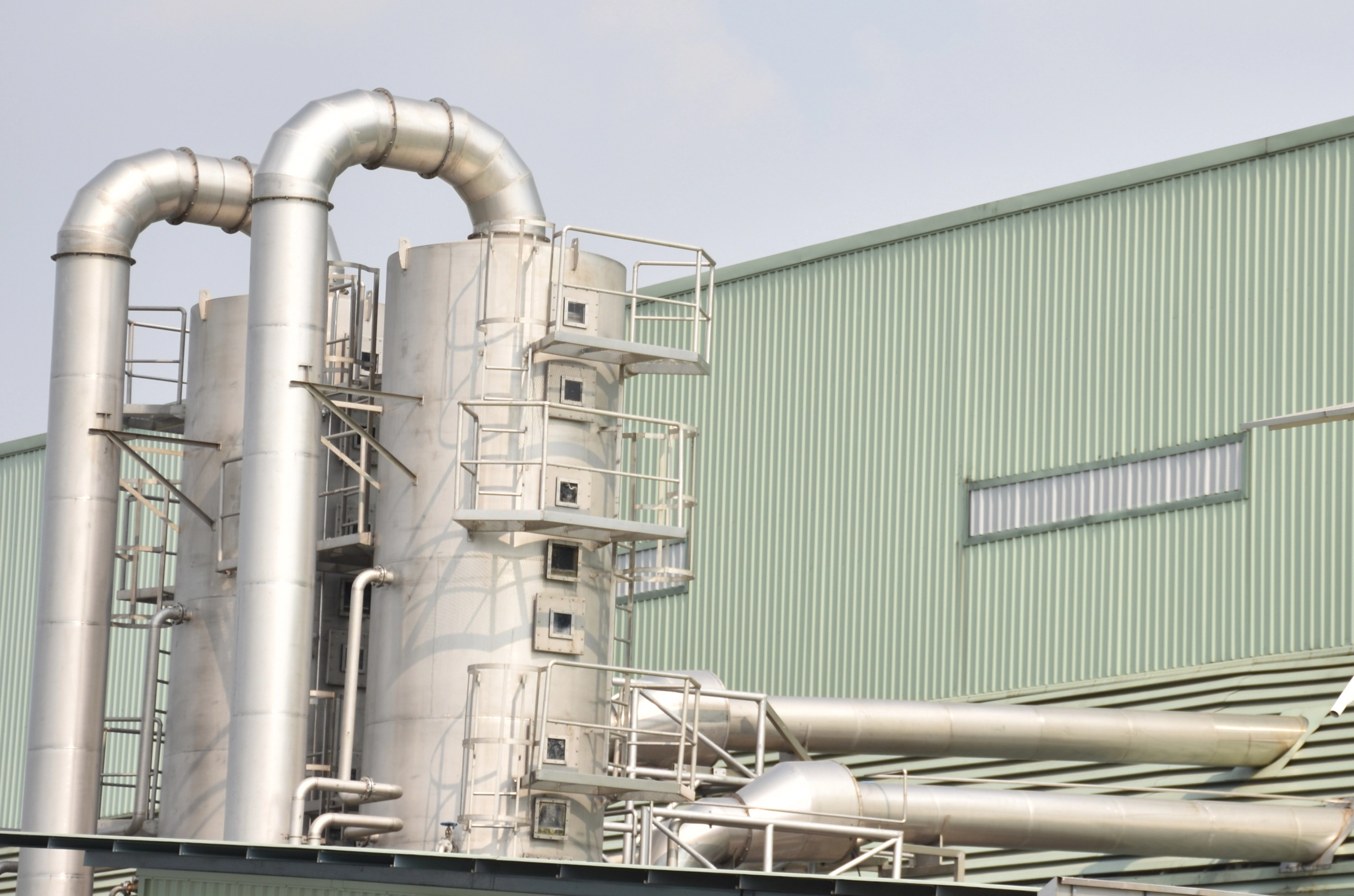
Controlling airborne dust is a critical priority for many industrial facilities. However, when dust becomes combustible, highly abrasive, or hazardous to inhale, traditional dry filtration methods may not be the safest option. That’s where wet dust collection comes in. Unlike dry systems that rely on filter media, wet collectors use water to capture and neutralize dust particles, reducing fire and explosion risks while improving overall air quality.
Across several industries, wet dust collection isn’t just beneficial—it’s often essential for meeting OSHA and NFPA safety standards. Understanding where these systems excel can help companies choose the most appropriate air purification method for their work environment.
Metalworking and Grinding Operations
Metal fabrication processes such as grinding, cutting, polishing, and deburring generate fine, hot metal particles that can ignite easily. When these particles accumulate in a dry dust collector, the spark risk increases significantly. Wet dust collection helps mitigate this danger by pulling particulates into a water chamber, quenching sparks and reducing the likelihood of combustion.
Industries working with aluminum, titanium, magnesium, and other reactive metals rely heavily on wet systems because these materials are especially prone to explosive dust events when handled in dry environments.
Additive Manufacturing and 3D Printing
As additive manufacturing continues to grow, so does the need for proper dust control. Many 3D printing processes involve fine metallic powders that are both combustible and respirable. Wet dust collection is often preferred because it prevents these ultrafine particles from becoming airborne and reduces the risk of static ignition.
For facilities managing metal powders at any stage—printing, recovery, or post-processing—wet collectors provide an added layer of safety and regulatory compliance.
Aerospace and Defense Manufacturing
Aerospace production frequently involves machining lightweight metals and exotic alloys known for their high reactivity. Dust from these materials can ignite with minimal energy. Wet dust collection helps maintain safe working conditions by continuously suppressing sparks and capturing harmful particulates before they circulate through the facility.
Many aerospace plants also operate under strict environmental and safety guidelines, making wet collectors an effective solution for meeting both internal and external compliance requirements.
Food Processing and Specialty Manufacturing
Certain food ingredients—such as sugar, spices, and organic powders—can create combustible dust when handled in large volumes. While dry collection is common in this sector, some applications require wet dust collection due to moisture, stickiness, or high explosion risks associated with the product.
Specialty manufacturing operations that work with chemical powders, pharmaceuticals, or composite materials may also turn to wet collection systems for safer and more reliable dust control.
Why Some Industries Can’t Rely on Dry Collection Alone
Dry dust collectors work well in many applications, but they are not suitable for every environment. Situations involving sparks, hot materials, or reactive dusts demand additional caution. Wet dust collection provides:
- Spark suppression
- Reduced explosion hazards
- Lower fire risks
- Improved air quality in sensitive environments
- Compliance with NFPA standards for combustible metals
For facilities handling materials that fall into high-risk categories, choosing the right dust collection method is essential—not only for operational efficiency, but also for protecting workers and maintaining regulatory compliance.

