
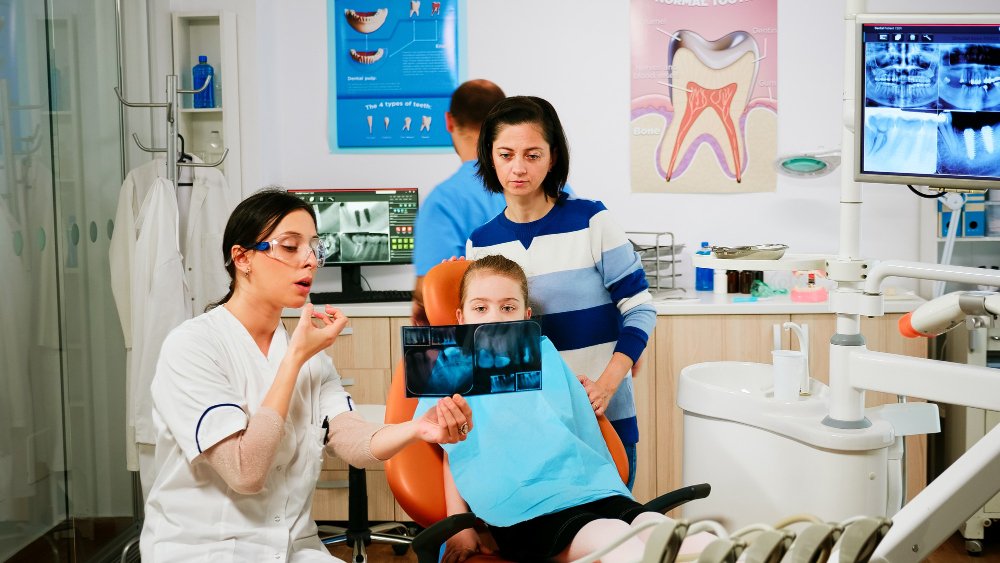
Your child’s mouth changes fast. Teeth come in, jaws grow, and habits form that can last a lifetime. A family dentist Marysville watches these changes with a clear plan. You see cleanings and checkups. Your dentist also tracks growth, spacing, and bite. This close watch helps catch problems early, when they are smaller and easier to fix. It protects your child from pain, missed school, and costly treatment later. Regular visits also build trust. Your child learns that the dental chair is a safe place, not a threat. You gain clear answers about thumb sucking, mouth breathing, or crowded teeth. You also gain a guide for braces and jaw growth. This blog explains how your family dentist measures, records, and responds to each stage of growth. It shows what to expect at each age and how you can support your child between visits.
Why early and regular visits matter
Routine visits start before trouble shows. The American Dental Association states that a child should see a dentist by the first birthday or within six months after the first tooth comes in. Early care gives your dentist a baseline for your child’s growth. Later visits show a change over time.
During each visit, your dentist checks three things.
- Teeth. Count, shape, and strength.
- Gums. Color, swelling, and bleeding.
- Bite. How upper and lower teeth meet.
These checks work together. They show if growth stays on track or starts to drift. They also guide when to act and when to simply watch.
What dentists look for at each stage
Growth follows a pattern. Your dentist knows this pattern well. Here is a simple view of what your dentist watches by age.
| Age range | Main changes | What your dentist checks | Common next steps
|
|---|---|---|---|
| 0 to 3 years | Baby teeth coming in | Tooth order, teething pain, early decay | Home care tips, fluoride, diet guidance |
| 4 to 6 years | Baby teeth in place | Spacing, thumb or pacifier use, speech | Habit support, sealants on back teeth |
| 6 to 12 years | Mix of baby and adult teeth | Loose teeth, jaw growth, bite pattern | X rays, early braces talks, space holders |
| 12 to 18 years | Adult teeth set, wisdom teeth forming | Crowding, grinding, sports risks | Braces or aligners, mouthguards, wisdom tooth plan |
This table shows how each stage brings its own checks and choices. You and your dentist can share clear goals at each step.
Tools dentists use to track growth
Your dentist uses simple tools that give strong facts. These tools do not replace your story. They support it.
- Visual exam. Your dentist looks at teeth, gums, and jaw shape. You also hear what they see.
- Dental X rays. Low-dose images show roots, new teeth, and bone. You can see how deep cavities go. You can learn when adult teeth will come in. The U.S. Food and Drug Administration shares clear safety facts on dental X-rays at the FDA dental radiography page.
- Photos and models. Some offices take mouth photos or make small tooth models. These records help compare one year to the next.
- Growth charts. Your dentist may track tooth loss and new teeth on charts. This works like a height chart for the mouth.
These tools help your dentist spot slow change that you might miss at home.
How habits shape growth
Small daily actions can guide or strain growth. Your dentist looks for signs of these habits.
- Thumb or finger sucking. Long-term sucking can push teeth out and change jaw shape.
- Pacifier use. Use past age three can affect the bite.
- Mouth breathing. Breathing through the mouth can dry gums and change jaw growth. It may signal allergies or sleep issues.
- Teeth grinding. Grinding can wear teeth and strain the jaw joint.
Your dentist will not judge you or your child. Instead, you will get clear options. These may include simple habit reminders, changes to bedtime routine, or a soft night guard for grinding.
When your dentist suggests early treatment
Not every growth change needs treatment. Some issues fix themselves as your child grows. Yet some signs call for early action. You may hear your dentist suggest a visit with an orthodontist if your child has one of these.
- Front teeth that do not touch at all when biting.
- Upper teeth that bite far in front of lower teeth.
- Lower teeth that bite in front of upper teeth.
- Severe crowding that blocks new teeth.
- Jaw pain or locking.
Early treatment can shorten the time for later braces. It can also protect teeth from injury and wear.
Your role between visits
You share control of your child’s growth path. Your choices at home matter. You can support your child with three simple steps.
- Brush twice a day with fluoride toothpaste. Help your child until at least age seven.
- Limit sweet snacks and drinks. Offer water often.
- Keep regular six-month visits, even when teeth look fine.
You also know your child best. Call your dentist if you see sudden changes. These include swelling, pain, bad breath that will not clear, or teeth that seem to shift fast.
Working together for long term health
Growth and development do not follow a straight line. Some months feel calm. Other months bring sudden loose teeth or crowded smiles. Your family dentist stays steady through all of it. You gain a partner who knows your child’s history and your family’s needs. Together, you can keep small issues from turning into large ones. You can also give your child a strong start with a mouth that works well, feels safe, and supports clear speech and strong chewing for many years.

