
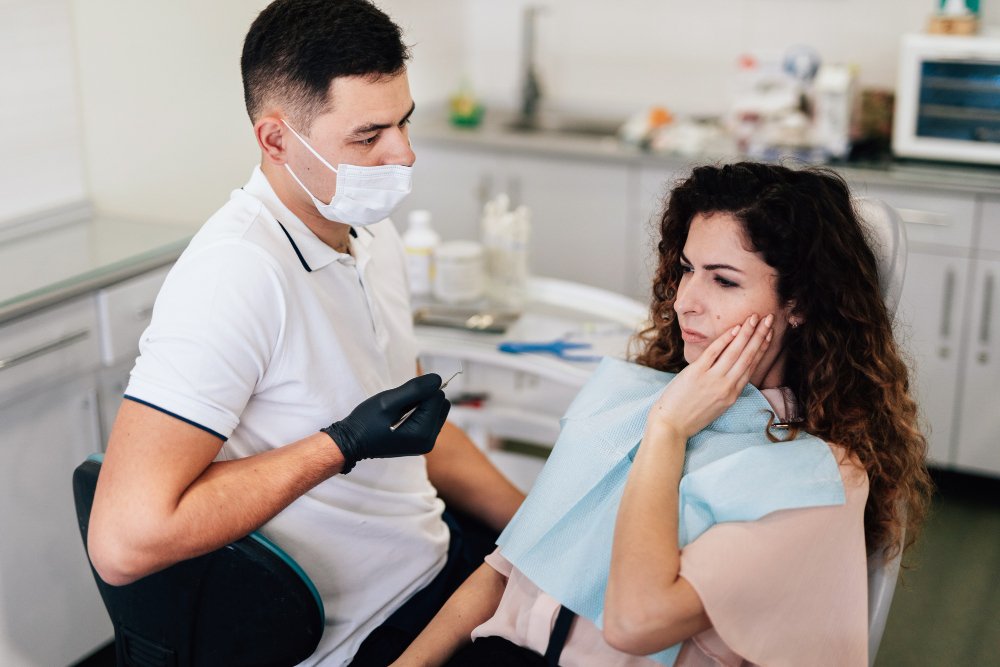
You want a smile that looks natural and feels strong. You also want care that does not put your health at risk. Family dentistry gives you both. It blends steady prevention, careful planning, and safe treatment. You get one trusted team that knows your history, your fears, and your goals. This matters when you choose whitening, veneers, crowns, or Invisalign. A family dentist checks your gums, bite, and jaw before any change. Then you get honest guidance about what your mouth can handle. You hear clear steps, costs, and risks. You stay in control. If you see a dentist in Richmond, VA, you can expect this same approach. The aim is simple. Protect your teeth. Support your body. Shape a smile that lasts.
Why safety comes first in smile changes
Any change to your smile affects more than looks. It touches your bone, gums, nerves, and how you chew. That is why safety must come first. A family dentist understands your full health story. This lowers the chance of infection, pain, or damage to healthy teeth.
Before treatment your dentist will usually
- Review your medical and dental history
- Check your gums for bleeding, swelling, or infection
- Take x rays or photos to see roots and bone
- Measure your bite and jaw movement
The American Dental Association explains that x rays help spot hidden decay and bone loss early. You can read more at the ADA MouthHealthy x ray guide. This kind of check keeps your treatment safe and on track.
How prevention supports smile transformations
Strong teeth and clean gums are the base for any change. You cannot build a lasting smile on infection or decay. Family dentistry focuses on three core steps before and after cosmetic work.
- Routine cleanings to remove plaque and tartar
- Fluoride and sealants for children and teens
- Coaching on brushing, flossing, and diet
The Centers for Disease Control and Prevention shows that fluoride lowers tooth decay for both children and adults. You can see the data at the CDC oral health fast facts page. When decay and gum disease stay under control, whitening and restorations last longer and feel more stable.
Common smile treatments and how family dentistry keeps them safe
Family dentists often provide both health care and smile changes in one place. That gives you clear choices that match your age, budget, and health. Below is a simple comparison of common options.
| Treatment | Main purpose | Best for | Key safety checks
|
|---|---|---|---|
| Professional whitening | Lighten stained or dark teeth | Adults and older teens with healthy enamel | Check for decay, cracks, and gum recession |
| Tooth colored fillings | Repair cavities and match tooth color | Children and adults with small to medium decay | Use rubber shield, control moisture, match bite height |
| Crowns | Cover weak or broken teeth | Teeth with large fillings or cracks | Check root health, measure bite, fit margins closely |
| Veneers | Change shape and color of front teeth | Adults with strong enamel and steady bite | Plan tooth reduction, protect nerve, avoid overuse |
| Invisalign or clear aligners | Straighten teeth and adjust bite | Teens and adults with crowding or gaps | Review jaw joints, growth in children, cleaning habits |
How your age shapes safe treatment choices
A family dentist treats toddlers, teens, adults, and older adults. Each stage needs a different plan for safe smile changes.
- Children. Focus on cleanings, sealants, fluoride, and simple fillings. Cosmetic work stays limited. Teeth and jaws still grow.
- Teens. Orthodontic care is common. Whitening may wait until braces come off. Your dentist still checks growth plates and sports risks.
- Adults. Many seek whitening, crowns, veneers, and aligners. Your dentist checks stress, clenching, and past dental work before big changes.
- Older adults. Care may include bridges, implants, or partial dentures. Your dentist reviews medicines, dry mouth, and bone level first.
This steady care through each stage keeps your choices safe and your results stable.
Steps in a safe smile transformation
Safe change follows a clear path. You should know what will happen and why. Expect three main phases.
- Phase one. Health first. Treat cavities. Calm gum disease. Fix infections. Adjust high spots on teeth. Many people find their smile already looks better when pain and swelling stop.
- Phase two. Plan your new smile. Share what you like and do not like. Your dentist may use photos, molds, or digital scans. You may see a mockup so you know the likely look before any tooth is shaped.
- Phase three. Protect the results. Wear night guards if you grind. Use retainers after Invisalign. Keep cleanings and checkups. Small repairs stay small when your dentist watches them over time.
How family dentistry protects your whole body
Oral health links to your heart, blood sugar, and pregnancy outcomes. Gum infection can raise inflammation in your body. A family dentist knows your history with blood pressure, diabetes, or pregnancy. That shapes safe choices about numbing medicine, timing, and treatment length.
For example, if you have diabetes your dentist may
- Schedule shorter visits
- Time treatment with your meals and medicines
- Watch closely for slow healing or infection
This same careful approach helps people who take blood thinners, have heart disease, or live with anxiety. Your mouth and body stay in sync.
What you can do to support safe smile changes
You share control of your care. Your choices before, during, and after treatment affect the outcome. You can
- Share your full medical history and medicine list
- Ask for clear explanations and written steps
- Follow home care directions and use any trays or guards
- Keep every follow up visit, even if you feel fine
- Call if you notice pain, swelling, looseness, or sharp edges
Change can stir fear or doubt. A family dentist expects that. Honest talk and steady support help you move from fear to calm control.
Choosing a family dentist for lasting change
Safe, effective smile transformations do not depend on fancy tools. They depend on trust, planning, and follow through. A family dentist offers all three for every person in your home. You get one place that knows your history and honors your limits. That kind of care protects your health and shapes a smile that feels like you.

