
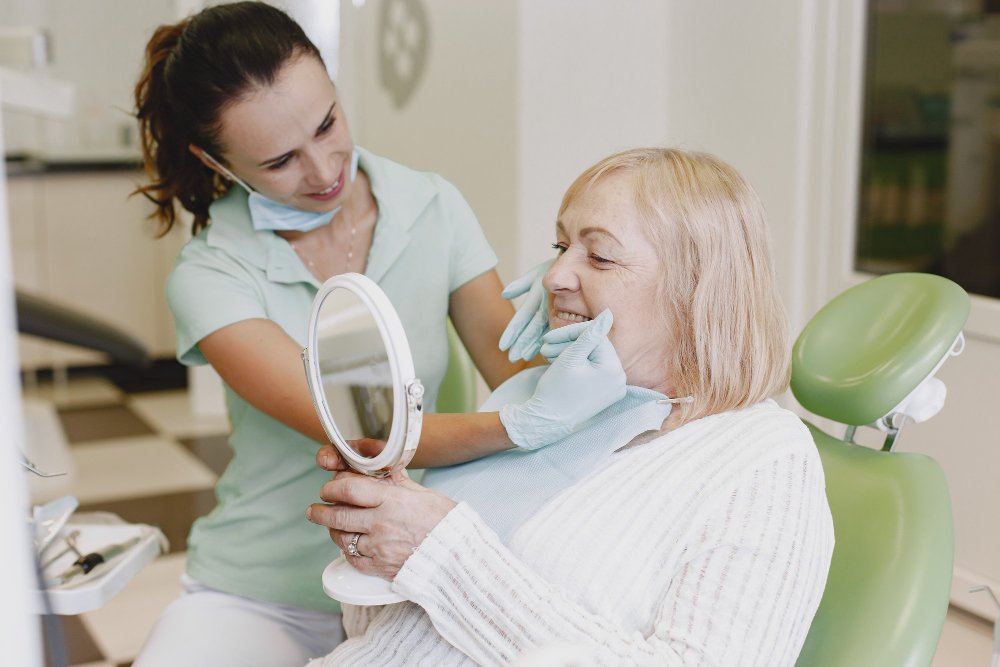
Healthy teeth shape daily life. They affect how you eat, speak, and smile. They also carry family stories. A chipped tooth from childhood. A crown that helped you chew again. When one office treats grandparents, parents, and children, your care does not reset with each visit. Instead, your history stays in one trusted place. A family dentist in San Francisco can watch patterns over time. They can see how your child’s bite echoes a grandparent’s. They can spot early warning signs that once hurt an older relative. This steady link helps you avoid repeat pain and rushed decisions. It also helps your family feel less fear in the chair. You see the same faces. You hear the same clear plan. You know what to expect. This is how family dentistry protects your health and your children’s health at the same time.
Why one office for the whole family matters
When your family uses one dental office, you remove guesswork. Every visit builds on the last visit. Your records stay in one chart. Your stories stay with one team.
This steady home for care gives three clear gains.
- Stronger trust. You and your children know the staff and the routine.
- Faster care. The dentist knows your history and your risks.
- Better planning. Long-term goals guide each visit.
Trust grows when you do not repeat your story each time. Your child sees you in the same chair. That picture lowers fear. It also shows that care is normal and expected.
How shared history protects your health
Family dentists watch patterns across time. They see how teeth change from early childhood through older age. They also see how habits run through families. That mix of history and pattern spotting can stop small problems from turning into severe pain.
Here are three common patterns a family dentist may track.
- Tooth decay risk that runs through siblings.
- Gum disease that starts in one parent and later appears in a teen.
- Grinding or clenching that affects jaw joints across generations.
When the dentist sees a pattern in one family member, they can screen others early. They can suggest simple steps like fluoride, sealants, or night guards. They can also watch more closely during checkups.
The Centers for Disease Control and Prevention reports that most cavities in children and adults are preventable. Yet many families do not get routine care. A family office that knows your history can remind you, follow up, and keep care on track.
Life stages and continuity of care
Teeth and gums change with age. A family dentist guides you through each stage with steady advice and clear next steps.
| Life stage | Common needs | How continuity helps
|
|---|---|---|
| Early childhood | First checkups, cavity prevention, thumb sucking habits | The dentist knows family decay risk and starts prevention early. |
| School age | Sealants, sports mouthguards, early crowding or bite issues | Past x-rays and growth records guide timing for treatment. |
| Teen years | Wisdom teeth checks, braces care, diet, and tobacco risks | The dentist links teen choices to family gum and tooth history. |
| Adult years | Restorations, stress grinding, pregnancy gum changes | Long-term records show wear, stress, and prior repairs. |
| Older age | Dry mouth, gum disease, tooth loss, dentures or implants | The dentist plans care that fits past work and current health. |
This steady path reduces gaps. It also helps you avoid rushed care in emergency rooms when pain hits.
Emotional safety for children and older adults
Dental fear can freeze people. It often starts in childhood. It can also grow in older adults who feel a loss of control. Continuity of care softens that fear.
Children watch how adults act in the chair. When they see calm visits with the same dentist, they learn that care is safe. They know the front desk. They know the room. They know that questions are welcome.
Older adults gain comfort when they do not need to explain medical changes over and over. The dentist already knows about new medicines, joint pain, or memory loss. This respect leaves people feeling seen, not rushed.
Prevention that fits your family
Prevention works when it fits daily life. A family dentist can shape tips and plans that match your routines, your budget, and your culture. They know who shops for food, who cares for children, and who reminds everyone to brush.
Three key prevention steps stay the same across generations.
- Brush with fluoride toothpaste twice each day.
- Floss or clean between teeth once each day.
- Schedule regular checkups and cleanings.
The National Institute of Dental and Craniofacial Research explains that fluoride, sealants, and routine visits sharply cut decay. A family dentist can time these steps for each child and adult. They can also spot when a plan slips and help you reset without blame.
Planning for complex needs across generations
Some families face more complex needs. These may include birth conditions, special health care needs, or long-term diseases such as diabetes or heart disease. A family dentist who knows your whole story can coordinate with your other health providers. They can watch for mouth changes that signal shifts in overall health.
This planning supports three linked goals.
- Protect chewing and speech so people can eat and talk with comfort.
- Prevent infections that can spread from the mouth to the rest of the body.
- Respect personal goals for appearance and function at every age.
When one office manages care for parents and children, treatment plans stay steady as people age. Crowns, fillings, and implants are placed with long-range thinking, not short fixes.
Taking the next step for your family
Continuity of care is not a luxury. It is a quiet shield that guards your family’s health over decades. One office, one team, and one shared story reduce pain, fear, and cost.
You can start with three simple moves. Choose one family dentist. Schedule checkups for every member. Share your full family history, including fears and past trauma. Then keep returning. Each visit adds another layer of protection for you, your children, and the generations that follow.

