
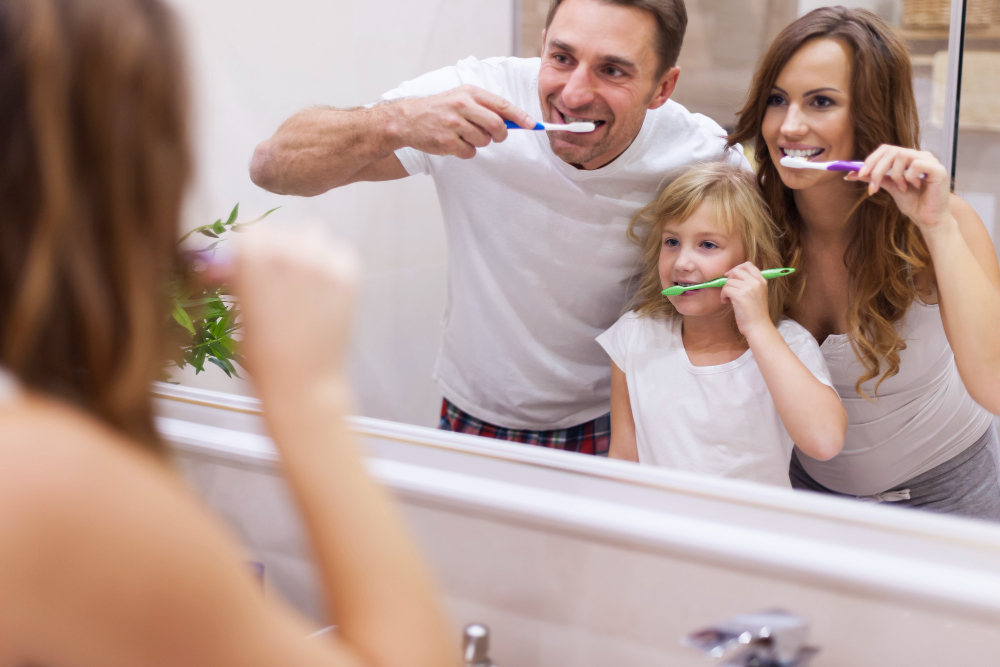
Choosing the Right Toothbrushes For Every Family Member starts with one clear goal. You want every person in your home to brush with tools that protect teeth and gums. Children, teens, adults, and older adults all need different support. One size does not fit all. Hard bristles can scrape. Large heads can miss tight spots. Worn brushes can spread germs. You may feel unsure in the store aisle. So many colors and promises. Very few clear answers. This guide walks you through what actually matters. You will see how to pick brushes by age, hand strength, braces, and gum health. You will also learn when to switch to power brushes. Your dentist and hygienist at a dental office Newton MA can then confirm your choices. With the right toothbrush for each person, daily care becomes easier, faster, and less stressful for your whole family.
Start With The Three Basics
Every toothbrush should meet three simple rules. These rules apply to every age.
- Soft bristles to protect gums
- A head size that fits the mouth
- A handle that you can grip without strain
The American Dental Association supports soft bristles. Soft bristles clean well. They also lower the chance of gum cuts and root wear. Medium and hard bristles can scrape enamel over time. That damage does not grow back.
Toothbrush Needs At Every Age
Each stage of life brings different needs. The wrong brush can cause pain or missed plaque. The right brush can prevent cavities and bleeding gums.
| Age Group | Brush Head Size | Bristle Type | Handle Style | Special Notes
|
|---|---|---|---|---|
| Babies and toddlers | Very small | Soft | Short, thick handle | Caregiver does the brushing |
| Young children | Small | Soft | Easy grip, non slip | Guided brushing and close check |
| Teens | Small to medium | Soft | Slim or standard handle | Good match for braces and sports guards |
| Adults | Small to medium | Soft | Comfort grip that fits hand size | Power brush can help with plaque |
| Older adults | Small | Soft or extra soft | Thick handle for sore joints | Power brush often best with gum loss |
Babies, Toddlers, And Young Children
Mouth care starts before the first tooth. You can wipe gums with a clean cloth. Once teeth show, you can use a baby brush.
Look for three things.
- A tiny head that can reach back teeth
- Soft bristles that bend with light pressure
- A chunky handle that you can hold steady
You control the brush for babies and toddlers. You brush twice a day. You use a rice sized smear of fluoride paste if your dentist says it is safe. The Centers for Disease Control and Prevention explains that early brushing cuts the risk of cavities in baby teeth. Cavities in baby teeth can cause pain and missed sleep.
For young children, let them practice. Then you finish the job. You keep that routine until they can tie their shoes without help. That shows they have the hand control to brush well.
Teens And Braces
Teens often face crowded teeth, braces, or aligners. Food collects around brackets and wires. A small head reaches better between brackets. Soft bristles bend around metal points.
Many teens do well with power brushes. A timer helps them reach the two minute mark. A pressure sensor can stop them from pressing too hard. If a power brush is not an option, choose a slim manual brush with a small head. Add an interdental brush for wires and between teeth.
Adults With Healthy Gums
If your gums do not bleed and you have no braces, you still need a careful choice. A small or medium head reaches back molars. Soft bristles bend into the gum line. A handle that feels steady in your hand helps you brush all surfaces.
Think about your habits in three steps.
- How hard you press
- How long you brush
- How often you change the brush
Many adults press too hard. A soft brush with a flexible neck can ease the force. A power brush can also help. It does the scrubbing so your job is to guide it along the teeth.
Older Adults And People With Limited Hand Strength
Arthritis, stroke, and other health problems can make brushing hard. A thick handle reduces strain. Some people slide a tennis ball or foam grip over a thin handle. Others use a power brush with a wide base.
Extra soft bristles help if gums have pulled back. Exposed roots feel sharp pain with stiff bristles. A small head can move around bridges and implants. A power brush often removes more plaque when hand control is weak.
Manual Versus Power Toothbrushes
Both manual and power brushes can work if you use them the right way for two minutes twice a day. Still, power brushes can help many people who struggle with timing or technique.
| Brush Type | Main Strengths | Good For
|
|---|---|---|
| Manual | Low cost. Easy to carry. No charging. | Most children and adults with good hand control |
| Power | Built in timer. Less need for scrubbing. Helpful for plaque. | People with braces, gum problems, or weak grip |
If you choose a power brush, pick one with soft bristles and a small round or oval head. You still need to move it slowly along the gum line and around each tooth.
When To Replace A Toothbrush
Old brushes stop cleaning well. Frayed bristles spread germs and tear gums. You should replace your brush every three months. You should also replace it after any flu, cold, or strep throat.
Use three cues.
- Bristles that bend outward
- Color bands that fade
- Brush that smells or feels sticky even after rinsing
How To Test A Toothbrush In The Store
You can check a brush in the package with a few quick steps.
- Check that the package says soft or extra soft
- Look at the head and picture it on your back molars
- Hold the handle in the store and move your hand as if you brush
If the handle slips, feels too thin, or hurts your fingers, pick another one.
Bring Your Questions To Your Dental Team
You do not need to guess alone. Bring your family toothbrushes to your next visit. Ask your dentist or hygienist to look at the brush head and your gums. They can tell you if the bristles are too stiff, the head is too big, or your pressure is too strong.
With the right toothbrush for each person, you protect more than teeth. You protect comfort, sleep, and daily confidence. Thoughtful choices in the store aisle can spare your family from pain and urgent visits. You control that choice twice a day, every day.

