
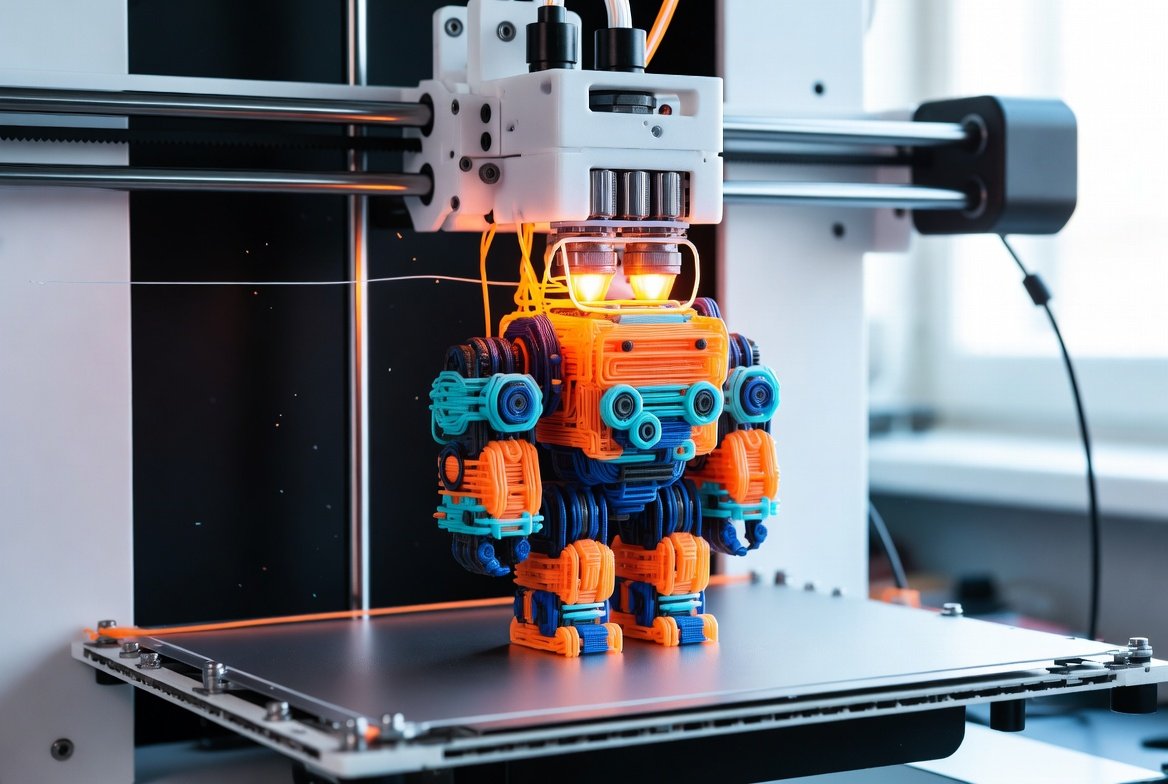
Imagine turning a simple digital idea into a real object you can hold in your hands. That is exactly what 3D printing makes possible today. This exciting technology has moved from science fiction into everyday life, letting people build parts, toys, tools, and even medical devices right from their computers.
Whether you are a hobbyist, a student, or a business owner, 3D printing opens doors that traditional manufacturing could never reach. In this article, we explore how this process works, why it matters, and where it is heading next.
What Exactly Is 3D Printing?
At its heart, 3D printing is a method of creating physical objects by adding material layer by layer. Unlike old-school manufacturing that cuts or molds material away, this additive approach builds things up from the bottom. You start with a 3D model on a computer, and the printer follows that design precisely, one thin slice at a time.
People also call it additive manufacturing. The beauty of 3D printing lies in its flexibility. You can create complex shapes with internal details that would be almost impossible using other methods. From simple plastic keychains to strong metal engine parts, 3D printing handles a wide range of materials and designs.
How Does the 3D Printing Process Work?
The journey begins with designing or downloading a 3D model. Software like free tools such as Tinkercad or more advanced programs like Blender help create these digital files. Once the model is ready, it gets sliced into hundreds or thousands of horizontal layers.
Next, the 3D printer heats up its material—often plastic filament—and lays it down exactly where the design says. Each layer cools and sticks to the one below it. This repeats until the full object appears. The whole process can take anywhere from minutes to many hours depending on size and detail.
Different types of 3D printing use various materials and techniques. Some printers melt plastic, others use resin cured by light, and advanced ones work with metal powders. This variety makes 3D printing suitable for many different needs and budgets.
Everyday Uses of 3D Printing
One of the most exciting parts about 3D printing is how accessible it has become. Many schools now have 3D printers so students can bring their ideas to life. Parents print replacement toys or custom puzzle pieces for their children.
In workshops and small businesses, 3D printing helps create custom tools and prototypes quickly. Instead of waiting weeks for a factory to make a new part, engineers can test ideas the same day. This speed changes how products develop.
Medical teams also benefit greatly from 3D printing. Doctors print models of patient organs to plan surgeries better. Some even create custom implants or prosthetics that fit perfectly. The technology brings new hope in healthcare every year.
Benefits That Make 3D Printing Popular
Cost savings stand out as a major advantage. Traditional manufacturing needs expensive molds and large production runs to be affordable. With 3D printing, you can make just one item without wasting money on setup. This is perfect for custom orders or small batches.
Another big plus is reduced waste. Because material is only added where needed, far less ends up in the trash compared to subtractive methods. Many modern 3D printing materials are recyclable too, supporting more sustainable practices.
Design freedom is perhaps the greatest gift of 3D printing. Complex lattices, moving parts in a single print, and organic shapes become possible. Engineers and artists alike love this creative liberty that traditional methods simply cannot match.
Challenges Still Facing 3D Printing
Like any new technology, 3D printing has hurdles to overcome. Print speed remains relatively slow for large objects. Material choices continue expanding, but some high-performance applications still need further development.
Quality consistency can vary between printers and operators. Learning to get perfect results takes practice. However, the community around 3D printing is incredibly helpful, with forums and tutorials sharing solutions every day.
Cost of good printers and materials has dropped dramatically in recent years, but professional-grade equipment still requires investment. Despite these challenges, progress happens rapidly as more people adopt the technology.
The Future Looks Bright for 3D Printing
Experts predict 3D printing will transform many industries in the coming decade. Construction companies already experiment with printing entire houses much faster and cheaper than conventional building.
In space exploration, astronauts could one day print tools and replacement parts directly on the moon or Mars instead of carrying everything from Earth. This capability could make long missions far more practical.
Fashion designers use 3D printing for unique jewelry and clothing elements that mold perfectly to the body. Food researchers even explore printing edible items with precise nutrition. The possibilities seem almost endless.
As 3D printing technology improves and becomes even more affordable, more homes and small businesses will adopt it. Children growing up today may view 3D printing the same way we see regular printers—something completely normal and useful.
Getting Started with Your Own 3D Printing
Beginning with 3D printing is easier than many people think. Entry-level printers now cost less than many household appliances. Online marketplaces offer thousands of free designs to get you printing right away.
Start small. Print simple objects to learn how your machine works. Join local maker groups or online communities where enthusiasts share tips. With patience and curiosity, you will soon create useful and fun items yourself.
Safety remains important. Always use 3D printing in well-ventilated areas and follow manufacturer guidelines, especially when working with higher-temperature materials.
Why 3D Printing Matters Today
This technology empowers individuals and small teams to compete with large manufacturers. It encourages innovation by lowering barriers to creation. Most importantly, 3D printing sparks imagination and problem-solving skills across all ages.
From repairing broken household items to developing the next medical breakthrough, 3D printing continues changing what is possible. As materials improve and printers become smarter, we will see even more remarkable applications emerge.
The revolution is already here. Whether you want to make something practical or simply explore your creativity, 3D printing offers an accessible and exciting path forward. The only real limit is your imagination.

