
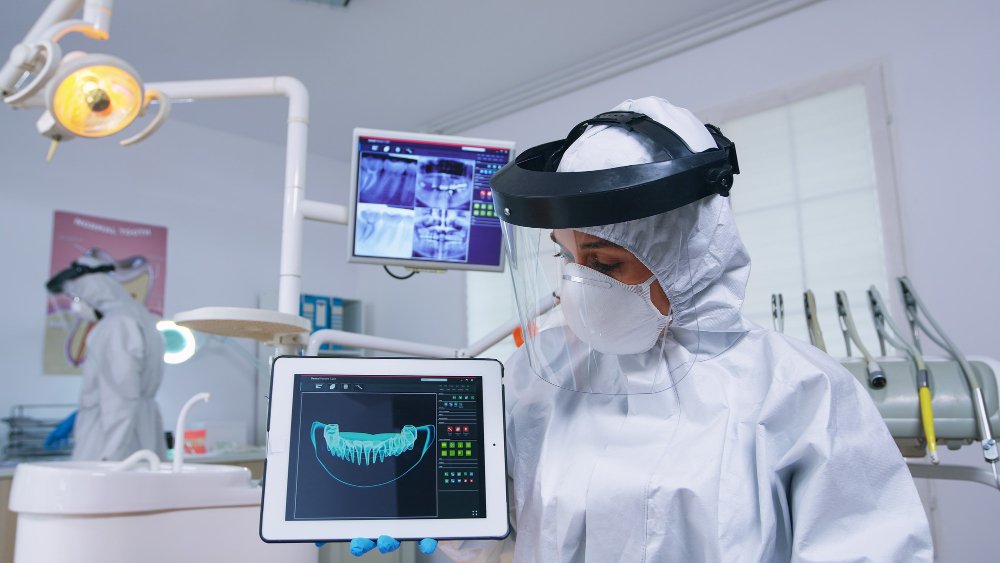
Modern technology changes how you see your smile and how a dentist treats it. You might think cosmetic dentistry is only about looks. Yet new tools do much more. They help protect your teeth, shorten visits, and reduce pain. Today, a Sioux Falls dentist can scan your mouth in minutes, show you 3D images, and plan care with sharp accuracy. Digital X‑rays reveal problems early. Clear aligners move teeth with planned steps. Same‑day crowns use computer design and in‑office milling. Each tool works together. You gain clear choices, strong results, and less stress. This blog explains how these devices support common cosmetic treatments. It shows what you can expect before, during, and after each visit. You will see how technology supports trust. You will also see how it helps you feel more in control of your health and your smile.
How Digital Tools Change Your First Visit
Your first visit sets the tone. Old exams often felt slow and vague. Today, you can expect three main steps.
- Digital X‑rays. These use less radiation than film X‑rays. The images appear on a screen in seconds. You can see cracks, decay, and bone loss early. The Centers for Disease Control and Prevention notes that early care helps prevent tooth loss.
- Intraoral cameras. A small camera takes close‑up photos of each tooth. You see stains, worn edges, and old fillings. You no longer guess what the dentist sees. You look at the same picture and decide together.
- Digital scans. A wand scans your teeth and gums. The computer builds a 3D model of your mouth. You avoid sticky impression trays. You also gain a clear view of crowding, gaps, and bite problems.
These tools help you understand your mouth in real time. You can ask focused questions. You can weigh choices with less fear.
Planning Cosmetic Treatments With 3D Imaging
Once you know your starting point, you can plan a change. Technology helps you see possible results before you agree to treatment.
- Smile design software. Your dentist uploads photos and scans. The program shows how whitening, bonding, veneers, or crowns could change your teeth. You can compare shapes and shades. You can request small changes until the plan feels right.
- 3D facial mapping. Some offices match your teeth to your face shape and lip line. That helps avoid teeth that look too long or too short. It also supports a natural look when you smile and speak.
- Risk checks. Software can flag weak spots in teeth or bite problems. That helps your dentist choose safer options. It protects your long-term health, not just your photo.
The National Institute of Dental and Craniofacial Research points out that many people live with untreated decay and wear. Careful planning with digital tools helps you address both health and appearance at the same time.
Common Cosmetic Options And Their Tech Support
Technology supports many common treatments. Here is a simple comparison to guide you.
| Treatment | Main Goal | Key Technology Used | Typical Visit Count
|
|---|---|---|---|
| Teeth whitening | Lighten stains | Shade charts, photos, custom trays from digital scans | 1 to 3 visits |
| Tooth bonding | Fix chips and gaps | Digital photos, shade matching tools, curing lights | 1 visit |
| Porcelain veneers | Reshape front teeth | Digital scans, 3D design, lab milling or in‑office milling | 1 to 2 visits |
| Clear aligners | Straighten teeth | 3D scans, bite simulation, staged aligner printing | Regular checks every few weeks |
| Same day crowns | Repair broken or worn teeth | Chairside scans, CAD design, in‑office milling, glazing unit | 1 visit |
This table gives a quick snapshot. Your own needs may differ. Yet it shows how often digital tools guide both speed and comfort.
Clear Aligners And 3D Planning
Many adults want straighter teeth without metal brackets. Clear aligners use technology at each step.
- You start with digital scans and photos. The computer builds a 3D model.
- Software simulates how your teeth move in small steps.
- You receive a series of clear trays. Each tray moves your teeth slightly.
You can often see a video of your planned tooth movement. That preview can ease fear. It also helps you commit to daily wear because you know what you work toward.
Same Day Crowns And Veneers
Old crowns and veneers often took weeks. You wore a temporary piece that could crack or fall off. Modern systems change that path.
- Your dentist shapes the tooth and scans it.
- Computer software designs the crown or veneer on the screen.
- An in‑office mill carves the piece from a ceramic block.
- The dentist adjusts the fit, bakes the glaze, and bonds it in place.
You leave with a strong repair the same day. You avoid a second shot. You also avoid a second day off work or school.
Technology And Safety For Your Family
Cosmetic care should never ignore safety. Modern tools help protect you and your children.
- Lower radiation. Digital X‑rays use less radiation than film. Your dentist can store and compare images over time.
- Infection control. Many devices use single-use covers. Some tools reduce the need for putty impressions that can trigger gagging.
- More precise work. Accurate scans reduce guesswork. That can mean less drilling and more natural teeth left in place.
You can ask your dentist what steps the office uses to keep your family safe before, during, and after each visit.
Questions To Ask Your Dentist About Technology
You do not need special training to judge your choices. You only need clear questions. Here are three to start with.
- Which digital tools will you use for my care and why
- Can you show me my scans or photos and explain what you see
- How does this technology change my cost, time, and long-term health
These questions keep you in charge. They also invite plain language answers. You deserve that respect.
Taking The Next Step With Confidence
Cosmetic dentistry and modern technology now work side by side. Together they can shorten visits, sharpen results, and protect your teeth. You can see your mouth clearly. You can plan changes with calm, not fear. When you understand the tools, you can choose what fits your goals, your budget, and your family. That control is the greatest change of all.

