
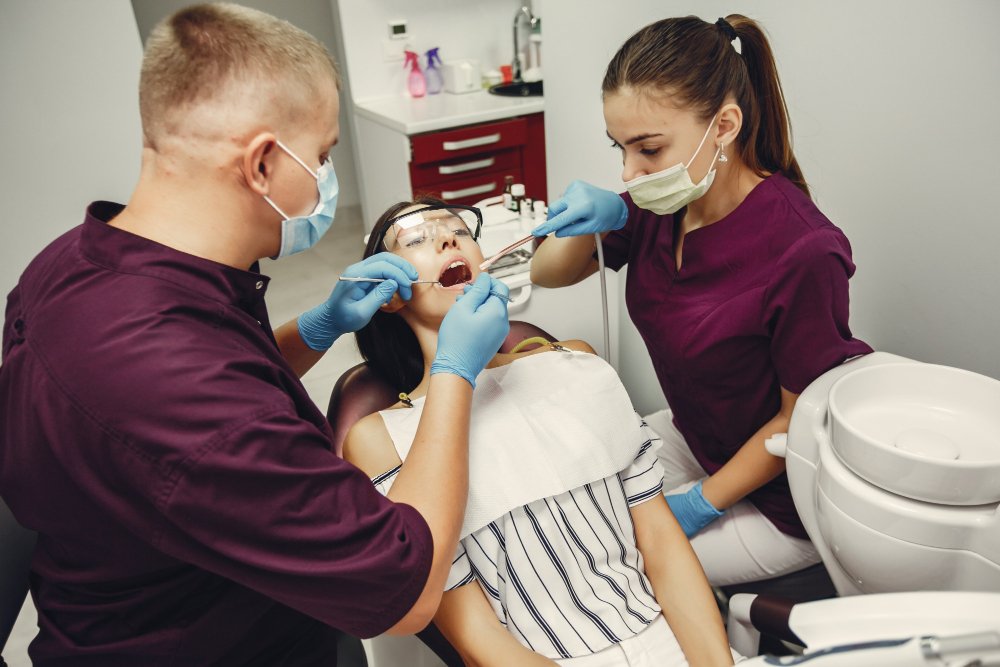
Your daily dental visit looks very different today. Quiet machines replace loud drills. Digital tools replace messy molds. You see results on a screen before you even leave the chair. General dentistry now leans on smart technology that cuts pain, saves time, and reduces guesswork. You gain clearer answers and faster care. Many offices move in this direction. An Asheville dentist might use digital X‑rays, 3D scans, and instant photos to guide each step. These tools help catch problems early. They also help you understand what is happening in your mouth. This blog shows five clear ways that technology shapes routine checkups, fillings, and other basic care. You will see how each tool works. You will also see what it means for your comfort, your wallet, and your long term health.
1. Digital X‑rays That Use Less Radiation
Old film X‑rays took time, used harsh chemicals, and gave you more radiation. Digital X‑rays change that. A small sensor in your mouth sends a picture straight to a computer. The image shows up in seconds.
You gain three clear benefits.
- Lower radiation exposure compared with many older film systems
- Faster images so you spend less time in the chair
- Sharper pictures that help spot small cavities and bone loss
Your dentist can zoom in, change contrast, and show you the image right away. You see what your dentist sees. You can ask questions while the picture sits on the screen.
The Centers for Disease Control and Prevention explains that dental X‑rays use low doses of radiation when used with care. Digital systems help keep those doses as low as possible.
2. Intraoral Cameras That Let You See Your Teeth Up Close
An intraoral camera is a tiny camera that fits inside your mouth. It looks like a thick pen with a light on the tip. Your dentist moves it over your teeth and gums. The image appears on a screen beside the chair.
With this tool you can:
- See cracks, stains, or worn spots that you would never see in a mirror
- Watch as the dentist points to problem spots in real time
- Track changes over time with stored images
This kind of clear view builds trust. The camera makes it easier to understand why you need a filling or a crown. It also helps you see the impact of brushing and flossing. You no longer guess. You see proof.
3. 3D Scanners That Replace Messy Molds
Many people remember thick trays full of goop that made them gag. Those trays created molds for crowns, bridges, or mouth guards. Today many offices use digital 3D scanners instead.
The scanner uses a small wand that passes over your teeth. It captures thousands of points and builds a 3D model on the screen.
That model helps your dentist to:
- Design crowns and bridges that fit more closely
- Plan clear aligner treatment with better detail
- Share files with dental labs without shipping molds
You stay more comfortable. You also often get a better fit. Poorly fitting work can cause pain, broken teeth, and more visits. A digital scan cuts those risks.
4. Chairside Design And Same Day Restorations
In some offices, the 3D scan connects to special design software and a small milling unit. The dentist can design a crown or a small onlay while you wait. The milling unit shapes the crown from a solid block of material.
This approach brings three gains.
- One visit instead of two for many crowns
- No need for a long-lasting temporary crown in many cases
- Less time off work and fewer drives to the office
While not every tooth suits a same-day crown, this choice can spare you long gaps between visits. It can also reduce the chance of losing a temporary crown or needing extra numbing shots.
5. Digital Records, Reminders, and Education Tools
Technology also changes what you do before and after the visit. Your dentist may use secure digital records, text reminders, and online forms. These tools remove paper clutter and lost files.
Many offices now use:
- Secure portals so you can update health history at home
- Text or email reminders that lower missed visits
- Short videos or images that explain care steps
Digital charts also help your dentist track changes over the years. Gum measurements, X‑ray trends, and photos tell a clear story. The National Institute of Dental and Craniofacial Research stresses the value of regular visits and tracking. Technology makes tracking more exact.
Quick Comparison Of Traditional And Digital Tools
| Type of Tool | Traditional Method | Digital Method | Key Benefit To You
|
|---|---|---|---|
| X‑rays | Film on plastic strips | Digital sensors on a screen | Lower radiation and faster results |
| Tooth molds | Thick trays with putty | 3D scan with a small wand | More comfort and closer fit |
| Crowns | Two visits with a lab-made crown | Chairside design in some offices | Fewer visits and less time away from work |
| Tooth viewing | Hand mirror and dentist description | Intraoral camera on a screen | Clear view and easier choices |
| Records | Paper charts and mailed forms | Secure digital records and portals | Smoother check in and better tracking |
What This Technology Means For Your Family
New tools do not replace skill. They support it. A trained dentist uses technology to see more, plan more, and explain more. That mix of judgment and clear data helps protect your teeth and gums.
For you and your family, this means:
- Shorter visits that fit busy lives
- Less pain and fewer surprises
- Earlier warning for small problems before they grow
When you choose a general dentist, ask what technology the office uses and how it helps you. You deserve clear answers, steady hands, and tools that respect your time, comfort, and money.

