
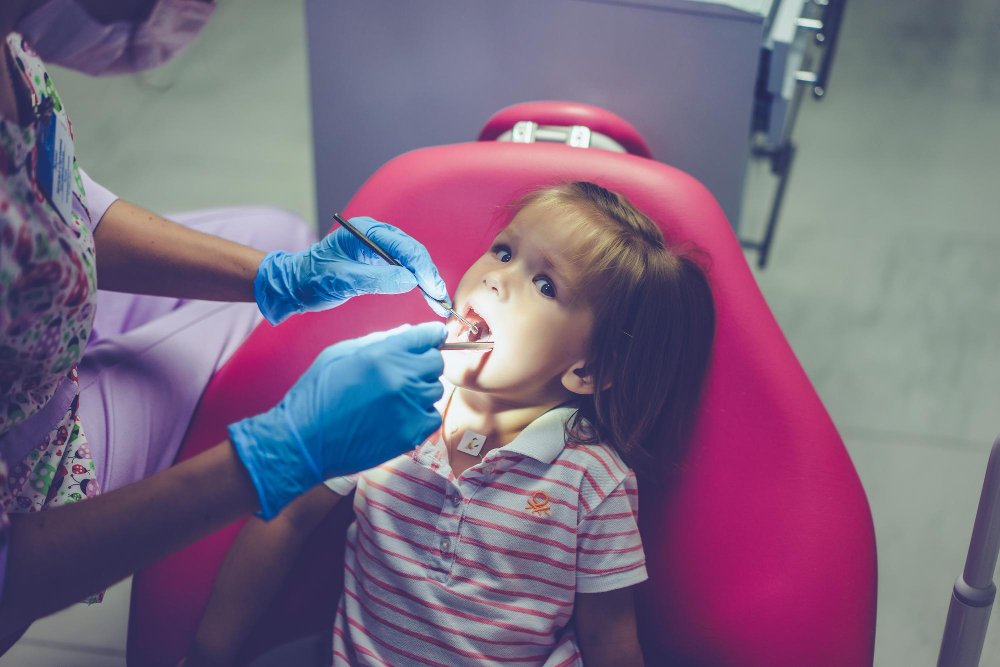
Your child’s back teeth do most of the work. Those rough chewing surfaces grind food every day. They also trap sticky plaque and food in tiny grooves. Regular brushing helps, but toothbrush bristles often miss these deep pits. That is where cavities start. Sealants give those molars a thin shield. A pediatric dentist in Killeen, TX paints a clear coating on the chewing surface. Then a curing light hardens it into a strong barrier. This simple step blocks germs and food from reaching the enamel. As a result, your child faces fewer painful toothaches, fewer missed school days, and fewer stressful appointments. Sealants do not replace brushing or flossing. Instead, they support your routine and give extra protection during the cavity-prone years. With clear guidance and quick treatment, you can guard your child’s smile and avoid preventable damage.
What Sealants Are And How They Work
Sealants are thin plastic coatings. Dentists place them on the chewing surfaces of premolars and molars. The material flows into the pits and grooves. It then hardens into a smooth surface that is easier to clean.
The process is quick and does not cause pain.
- The dentist cleans the tooth
- The tooth surface is conditioned so the coating sticks
- The liquid sealant is brushed on
- A special light hardens the material within seconds
The sealant sits on top of the enamel. It does not sink into the tooth. It acts like a lid that shuts out food and bacteria.
Why Children’s Molars Need Extra Protection
Back teeth erupt with deep grooves. These grooves are narrow. Toothbrush bristles often cannot reach into them. Food and germs stay trapped. That trapped mix produces acid. Acid slowly eats away at enamel and creates a cavity.
Children also face three common risks.
- They snack often on sweet drinks and treats
- Their brushing skills are still developing
- They may miss spots during rushed morning or bedtime routines
According to the Centers for Disease Control and Prevention, school-age children without sealants have almost three times more first molar cavities than children with sealants.
Benefits Of Sealants For Your Child
Sealants give strong protection during the years when molars are new and at their highest risk. You see benefits in three clear ways.
- Fewer cavities and fillings
- Less pain from tooth decay
- Lower treatment costs and time away from school
The American Dental Association states that sealants can reduce the risk of cavities in molars by up to 80 percent for two years after placement. Protection continues for several more years as long as the coating stays in place.
Sealants Compared With Other Cavity Protection
Sealants work best when you use them with fluoride, brushing, and flossing. Each tool helps in a different way.
| Protection method | Where it works | Main strength | Main limit
|
|---|---|---|---|
| Sealants | Chewing surfaces of molars and premolars | Blocks food and germs from deep grooves | Does not protect between teeth |
| Fluoride toothpaste or varnish | All exposed tooth surfaces | Makes enamel harder and more resistant to acid | Does not fill pits and grooves |
| Brushing | Visible surfaces of all teeth | Removes soft plaque every day | Misses narrow pits and tight spaces |
| Flossing | Between teeth and under the gums | Cleans where brushes cannot reach | Needs daily habit and good technique |
When you combine all four, you give your child a strong defense against decay.
When Children Should Get Sealants
Timing matters. The first permanent molars usually come in around age six. The second permanent molars usually come in around age twelve. Sealants work best when your dentist places them soon after these teeth erupt.
You can ask for sealants when you notice these signs.
- New molars just breaking through the gums
- Deep grooves that look stained or hard to clean
- A history of cavities in baby teeth
Even teens can benefit if their molars have never received sealants and still do not have cavities.
What To Expect During And After The Visit
The visit is short and calm for most children. There is no shot. There is no drilling. Your child feels the dentist working in the mouth, but not pain.
After the sealant is placed, your child can eat and drink right away. The tooth may feel slightly different when they bite at first. That feeling fades as they get used to the smooth surface.
You still need to keep daily care strong.
- Brush twice a day with fluoride toothpaste
- Floss once a day
- Limit sweet snacks and drinks between meals
At each checkup, the dentist will look at the sealants. Small chips or wear can be repaired. If a sealant comes off, it can be replaced.
Myths And Concerns About Sealants
Some parents worry that sealants hide decay. In truth, dentists clean the tooth and check for early decay before placing any coating. If decay is present, the dentist treats it first.
Other parents fear the material. Modern sealants go through a strict safety review. Federal health agencies and professional groups support their use for children at risk of cavities.
Cost is another concern. Many public and private plans cover sealants for children. School programs and community clinics sometimes offer them at low or no cost. It helps to ask your dentist or plan before you delay care.
How You Can Support Long-Term Protection
You guide the daily habits that keep those protected molars strong.
- Schedule checkups every six months or as advised
- Watch brushing time and help your child reach back teeth
- Offer water instead of sweet drinks between meals
With sealants, fluoride, and steady home care, you give your child a solid shield against cavities. You reduce pain, stress, and cost. You also teach that caring for teeth is a normal part of growing up, not something to fear.

