
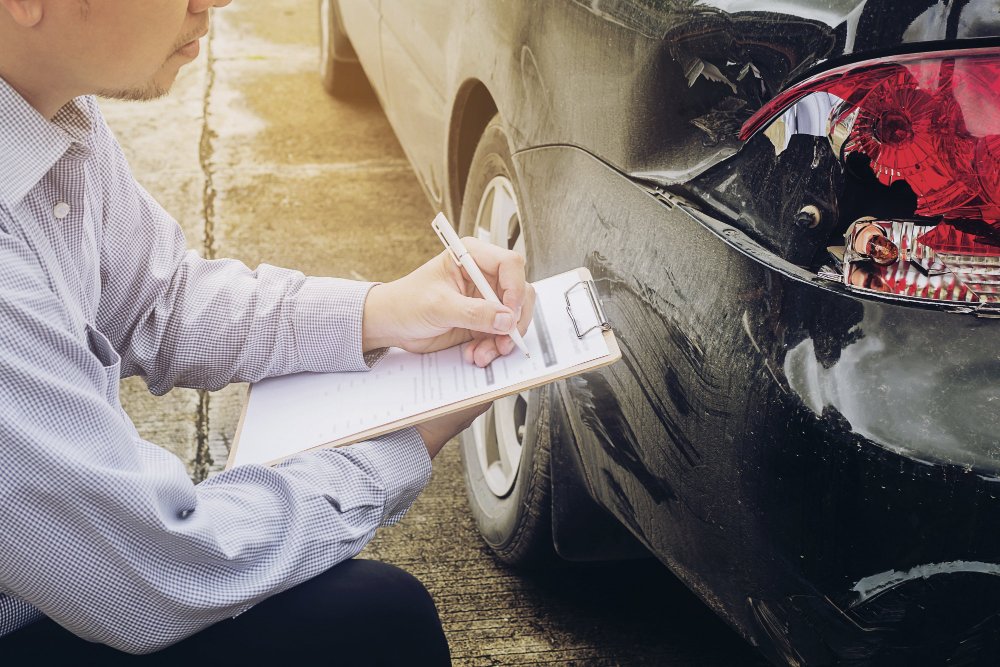
A crash in Las Vegas can shock you, even if it seems small. Your heart races. Your mind jumps from fear to anger to confusion. In those first moments, you might say or do things that later hurt your injury claim. You might trust an insurance adjuster who sounds helpful. You might skip medical care because you “feel fine.” You might post on social media to vent. Each choice matters. This guide gives you clear steps to protect yourself, your health, and your claim. You will learn what to say at the scene, what to avoid, and how to document proof that supports your story. You will also see how timing, treatment, and records influence any payment you may receive. For more detailed support, visit blakefriedmanlaw.com, but start with these steps so you do not lose rights you need.
Step 1: Move to safety and call 911
First, check yourself and others for pain or bleeding. If you can, move to a safe spot away from traffic. Turn on hazard lights. Set out flares or cones if you have them.
Next, call 911. Tell the operator there has been a crash. Say if anyone is hurt. Ask for both police and medical help. In Nevada, police reports matter for injury claims. The report records time, place, and what officers see.
Then wait for help. Do not leave the scene unless an officer tells you to leave or you need emergency care.
Step 2: Stay calm in what you say
Your words at the scene can help or harm your claim. Fear and guilt can push you to say things that are not true.
- Do not say “I am sorry” or “It was my fault”
- Do not guess about speed, distance, or cause
- Do not argue with the other driver
Instead, share only basic facts with police.
- Your name, address, and phone number
- Your license and insurance details
- Simple facts such as where you were coming from and where you were going
Tell the officer if you feel pain, stiffness, or dizziness. If you feel shaken and cannot speak clearly, say that too.
Step 3: Gather proof at the scene
Evidence fades fast in Las Vegas traffic. Skid marks fade. Cars move. People forget. You protect your claim when you act quickly.
Use your phone if you can.
- Take clear photos of all cars from many angles
- Take close photos of damage, road signs, and any debris
- Photograph skid marks, broken glass, and traffic signals
Next, look for witnesses. Ask for their names, phone numbers, and email addresses. Ask if they will wait for police. If they cannot stay, ask if they can write a short note in your phone about what they saw.
Also, note details that you might forget later.
- Weather and road conditions
- Time of day
- Any work zones or lane closures
Step 4: Get medical care right away
Many crash injuries hide for hours or days. Your body floods with stress hormones. That can mask pain. You might feel “fine” and later wake up stiff, sore, or dizzy.
Go to an emergency room or urgent care the same day if possible. Tell the doctor you were in a car crash. List every symptom, even minor ones.
- Neck or back pain
- Headache or pressure
- Nausea or confusion
- Tingling or numbness
Prompt care protects your health. It also creates a clear record that links your injuries to the crash. The Centers for Disease Control and Prevention explains that car crashes are a leading cause of serious injury. Early treatment can limit long term harm.
Step 5: Report the crash to your insurance the right way
Most policies require quick notice of a crash. Call your insurer as soon as you can. Give basic facts only.
- Time and place of the crash
- Names of drivers
- Police report number if you have it
Do not guess about injuries or long term costs. You can say “I am still getting checked by doctors” or “I am not sure yet.” If another driver’s insurer calls, stay cautious. You can say you will speak after you have legal advice.
Step 6: Protect your claim with strong records
Strong claims rest on clear records. Treat your claim like a file that you build day by day.
- Keep all medical records and bills
- Save pay stubs that show missed work
- Store repair estimates and photos of your car
Also, keep a simple crash journal. Each day, write the date and note your pain level, limits on movement, missed events, and sleep problems. Honest daily notes can help show how the crash changed your life.
Step 7: Use caution with social media
Insurers often check social media. A single post can harm your claim.
- Do not post photos or comments about the crash
- Do not joke about injuries
- Do not share photos that make you look very active while you say you are hurt
You can adjust privacy settings. Even then, assume anything you share could be seen and used against you.
Common steps that help or hurt your claim
| Action | Effect on Your Claim | Why It Matters
|
|---|---|---|
| Calling 911 and getting a police report | Helps | Creates an official record that supports your version of events |
| Taking photos and getting witness contacts | Helps | Gives clear proof about damage, conditions, and fault |
| Seeing a doctor the same day | Helps | Links injuries to the crash and supports medical bills |
| Skipping or delaying medical care | Hurts | Lets insurers claim your injuries came from something else |
| Posting about the crash on social media | Hurts | Gives insurers quotes or photos to twist against you |
| Admitting fault at the scene | Hurts | Can limit your right to payment even if you were not at fault |
Know your rights in Nevada
Nevada uses a fault based system. That means the driver who is more at fault usually pays for injuries and damage. If you are partly at fault, you might still recover money as long as you are not more at fault than the other driver. The Nevada Department of Motor Vehicles explains crash reporting rules and insurance basics on its site at the Nevada DMV Driver License Home.
Every case is different. The size of your claim can depend on three things.
- How badly you are hurt
- How clear the proof of fault is
- How consistent your treatment and records are
Step 8: Talk with a legal professional early
After a crash in Las Vegas, you face medical visits, missed work, car repairs, and pressure from insurers. You do not need to face this alone. A legal professional who handles injury claims in Nevada can explain your rights, speak with insurers for you, and help you avoid missteps.
Reach out as soon as you can after the crash. Early guidance often prevents claim damage that cannot be fixed later. You protect your health. You protect your family. You protect your future claim by taking these steps one by one, starting today.

