
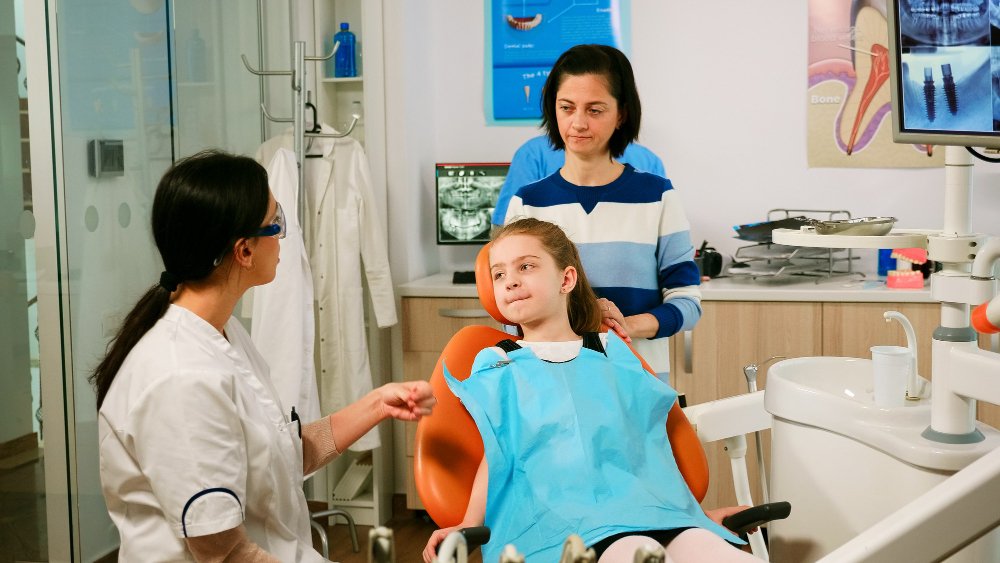
Your child’s mouth changes fast. Baby teeth fall out. Adult teeth push in. Small problems can grow into painful emergencies. Regular preventive checkups protect your child from that pain. During these visits, the dentist spots tooth decay early, cleans away stubborn plaque, and checks how the teeth and jaws grow. This simple habit guards your child’s health, speech, and confidence. It also protects your family budget, because early care costs less than emergency treatment. A trusted dentist in East Liverpool Ohio can guide you through each stage from first tooth to late teens. You learn what snacks harm teeth, how sports guards prevent broken teeth, and when braces might help. Each visit builds trust, lowers fear, and teaches your child to take charge of their own health. With steady checkups, your child gains comfort, safety, and a strong smile that lasts.
1. Checkups catch problems early
Tooth decay is common in children and teens. The Centers for Disease Control and Prevention reports that more than half of teens have had a cavity in their permanent teeth.
During a preventive checkup, the dentist and team:
- Look for soft spots and early cavities
- Check old fillings and sealants
- Review brushing and flossing habits
- Watch how the jaws and bite line up
Early care keeps teeth strong. It also keeps infections away from the blood and body. Untreated tooth decay can affect eating, sleep, school focus, and mood. A small filling now can prevent a deep infection that needs a root canal or removal later.
Here is a simple comparison of early care and delayed care.
| Type of visit | Common reason | Usual treatment | Impact on child | Impact on family budget
|
|---|---|---|---|---|
| Preventive checkup | Routine cleaning and exam | Cleaning, fluoride, sealants, advice | Little or no pain | Lower cost and planned visit |
| Early cavity visit | Small spot on tooth | Small filling | Short discomfort | Moderate cost |
| Emergency visit | Severe toothache or infection | Root canal or removal | High pain and stress | Higher cost and urgent visit |
Regular checkups move your child into the first row. You avoid late-night rushes and frantic calls. You also help your child see the dentist as a safe helper, not a place of fear.
2. Cleanings protect long-term health
Even with careful brushing, children miss spots. Back teeth trap food. Braces catch plaque. Sticky drinks coat the whole mouth. During a preventive visit, the hygienist cleans away plaque and tartar that a toothbrush cannot reach.
That deep cleaning lowers the risk of:
- Cavities between teeth
- Gum swelling and bleeding
- Bad breath that hurts confidence
- Early bone loss around teeth
The American Dental Association explains that cleanings and fluoride help prevent decay for children and teens. Fluoride treatments during checkups keep weak spots from turning into cavities. Sealants on the biting surfaces of back teeth block food from sitting in deep grooves.
You also get clear, direct coaching. The team can show:
- Which teeth does your child miss when brushing
- How long to brush each part of the mouth
- Which snacks and drinks cause the most damage
- How sports guards protect teeth during games
This support turns daily brushing and flossing into a firm habit. It also gives your child a sense of control. When children feel control, they fear less. They walk into visits with calm instead of dread.
3. Growth checks guide the future smile
Children’s faces grow in steady stages. Teeth move. Jaws shift. Small changes now can affect chewing, speech, and breathing later. Regular dental checkups let the dentist follow this growth and act at the right time.
During these exams, the dentist may:
- Watch how upper and lower teeth meet
- Measure space for incoming adult teeth
- Check for teeth that are slow to appear
- Look for signs of grinding or clenching
Timely action can include:
- Recommending an orthodontic consult
- Using simple devices that guide jaw growth
- Removing baby teeth that block adult teeth
- Suggesting changes in habits like thumb sucking
Early guidance often means shorter time in braces and fewer complex treatments later. It also reduces teasing that can come from crowded or protruding teeth. A child who feels able to smile in photos, speak in class, and laugh with others carries that strength into adult life.
How often should your child go
Most children and teens need a dental checkup every six months. Some need visits more often if they have many cavities, wear braces, or have medical conditions that affect the mouth. The schedule should match your child’s risk and needs.
You can support each visit by:
- Keeping a steady brushing and flossing routine at home
- Limiting sugary drinks and sticky snacks
- Using a mouthguard during sports
- Bringing a list of questions or concerns
The goal is simple. Catch problems early. Clean away what your child misses. Guide growing teeth in the right direction. With a steady partnership with a trusted dental team, you protect your child’s comfort, health, and courage for many years.

