
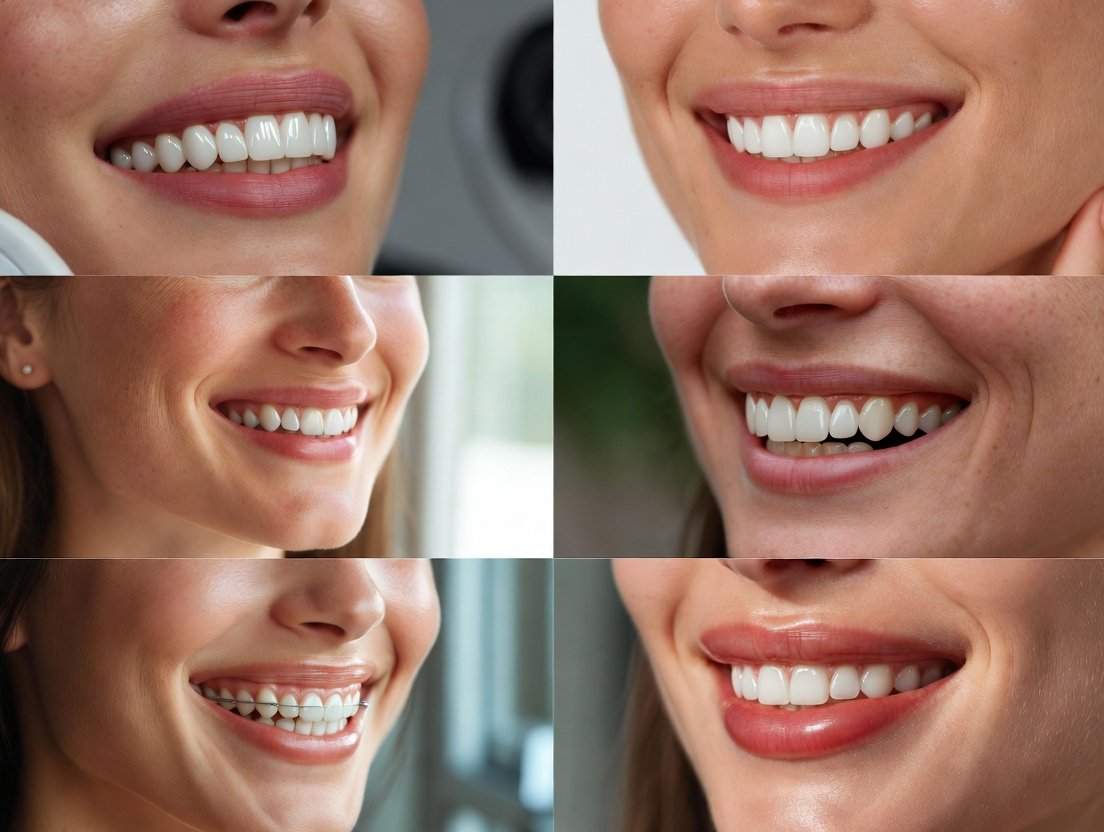
Your smile affects how you move through each day. It shapes first meetings, quiet moments, and even how you see yourself in the mirror. If you hide your teeth when you talk or laugh, you are not alone. Many people feel stuck with stains, chips, gaps, or worn teeth. Yet these problems have simple solutions. A skilled Fairhope dentist can use modern cosmetic dentistry to change how your teeth look and feel. These treatments do more than brighten a photo. They can restore calm, confidence, and comfort when you speak, eat, and laugh. This blog walks through five common services that reshape everyday smiles. You will see what each service does, who it helps, and what to expect. You can then decide which option fits your needs and your life.
1. Professional Teeth Whitening
Stains build up from coffee, tea, soda, tobacco, and some medicines. Age also darkens teeth. Home strips and pastes help a little. Yet they often miss deep stains and give uneven color.
In a dental office, whitening uses stronger products under close care. Your dentist protects your gums. Then your dentist places a whitening gel on the teeth for a set time. Some offices use a special light to boost the effect.
Professional whitening often helps if you
- Have yellow or brown stains on front teeth
- Have a big event soon and want a fast change
- Want a known level of brightness
Whitening does not change the shape of your teeth. It simply lifts color. The National Institute of Dental and Craniofacial Research explains that strong enamel supports safe whitening. Your dentist checks this before treatment.
2. Dental Bonding
Bonding fixes small flaws with tooth colored resin. The dentist places the resin on the tooth, then shapes and hardens it with a curing light. The result blends with the rest of your smile.
Bonding often helps if you
- Have a small chip on a front tooth
- Have a short tooth that needs length
- Want to close a small gap
- Have worn edges from grinding or biting on hard objects
Bonding usually takes one visit per tooth. It often needs no shots. It also keeps more of your natural tooth compared with crowns.
Yet bonding can stain and chip over time. You may need repairs after some years. Careful brushing, flossing, and regular cleanings reduce this risk.
3. Porcelain Veneers
Veneers are thin covers that attach to the front of teeth. They change color, shape, and length at the same time. Dentists often use them in sets across front teeth for a uniform look.
Veneers often help if you
- Have deep stains that whitening cannot fix
- Have teeth that look uneven, crooked, or worn
- Have many chips or old bonding that no longer looks right
The process often takes two or three visits. First, the dentist trims a thin layer of enamel from the front of each tooth. Next, the dentist takes an impression for the lab. You may receive temporary covers. At the final visit, the dentist bonds the custom veneers in place.
Veneers resist stains and last many years with good care. You still need daily brushing, flossing, and checkups. The Centers for Disease Control and Prevention notes that strong daily care lowers decay and gum disease.
4. Clear Aligners and Braces for Adults
Crooked or crowded teeth affect more than looks. They also trap food and plaque. That raises the risk for decay and gum problems.
Aligners and braces move teeth into better positions. Many adults wish they had fixed their bite as teens. Others had braces years ago and saw their teeth shift again.
Today you can choose
- Clear aligners that you remove to eat and clean
- Tooth colored braces that blend in
- Standard metal braces that handle complex bite problems
Treatment time depends on how far your teeth must move. Many mild cases finish within one to two years. Good aligner use or brace care matters. You must follow your dentist’s directions for wear and cleaning.
5. Dental Implants and Crowns
Missing or badly damaged teeth change how your face looks. They also make chewing hard and speech less clear. Some people start to avoid many foods. Others speak less to hide gaps.
Crowns cover and protect weak or broken teeth. They restore shape and strength. Dentists use crowns on teeth that have large fillings or root canals. They also attach crowns to implants.
Implants replace missing tooth roots. A surgeon places a small metal post in the jaw. After healing, the dentist attaches a crown. The result looks and feels like a single tooth.
Implants often help if you
- Have one or more missing teeth
- Have strong bones or can receive bone grafting
- Want a fixed option instead of a removable denture
Comparison of Common Cosmetic Options
| Treatment | Main Goal | Typical Visits | Average Longevity | Best For |
|---|---|---|---|---|
| Professional Whitening | Lighten tooth color | 1 to 2 | 1 to 3 years | Surface and moderate stains |
| Dental Bonding | Fix chips and small gaps | 1 | 3 to 8 years | Minor shape changes |
| Porcelain Veneers | Change color and shape | 2 to 3 | 10 to 15 years | Multiple front tooth concerns |
| Clear Aligners or Braces | Straighten teeth | Many short visits | Life with retainers | Crowding or bite problems |
| Implants with Crowns | Replace missing teeth | Several over many months | Many years | Single or multiple missing teeth |
Choosing the Right Path for Your Smile
Your goals guide every choice. You might want whiter teeth for an upcoming event. You might need a full plan that includes straightening, veneers, and implants. A clear talk with your dentist helps you match your budget, time, and comfort level with the right steps.
Before any cosmetic work, your dentist should check for decay, gum disease, and bite issues. Treating these first protects your investment in your smile. Healthy teeth and gums give every cosmetic service a stronger base.
You deserve a smile that feels natural and steady. With the right plan, cosmetic dentistry can support that goal and fit your daily life.

