
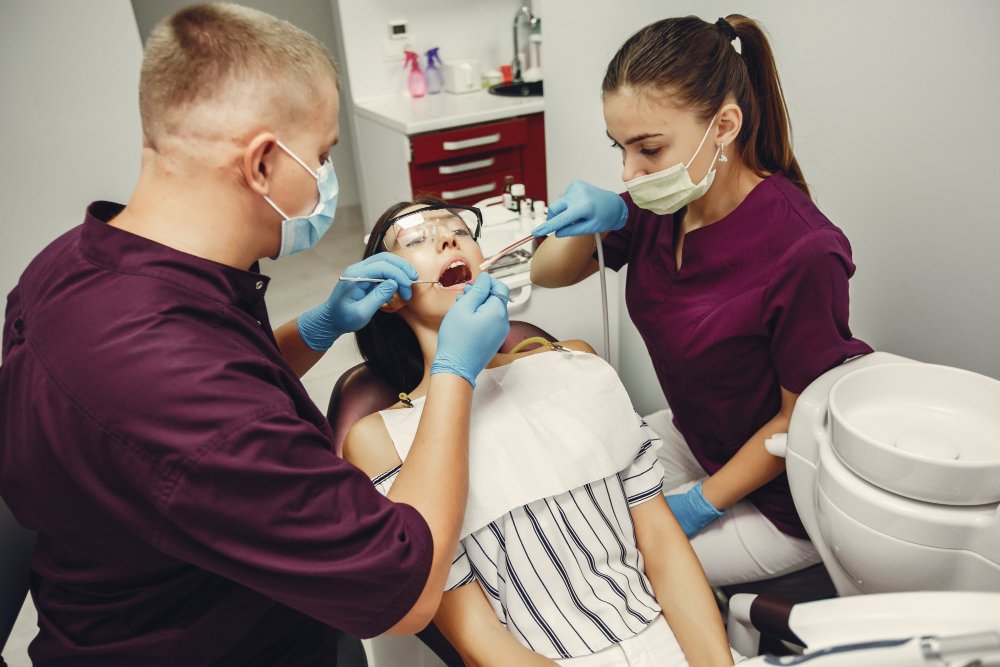
When your child has deep tooth decay or a serious toothache, you may feel pressure to pull the tooth and move on. That choice can create bite problems, speech issues, and long term pain. Pulp therapy gives you another path. It lets you treat the infection, ease pain, and keep the primary tooth working until it is ready to fall out on its own. This care protects your child’s ability to chew, speak, and smile with confidence. It also lowers the chance of crowded permanent teeth later. A pediatric dentist in Los Angeles can use pulp therapy to clean the inside of the tooth, calm the nerve, and seal it from new germs. You see relief. Your child keeps the tooth. You avoid more complex treatment later.
What Pulp Therapy Does For A Primary Tooth
Pulp is the soft center of the tooth. It holds the nerve and blood supply. When germs reach this space, your child can feel sharp pain, throbbing, or swelling. Pulp therapy focuses on saving that tooth instead of removing it.
You can think of it in three steps.
- Remove the infected or irritated pulp.
- Protect what remains inside the tooth.
- Restore the tooth so your child can chew again.
Primary teeth guide permanent teeth into place. They help shape the jaw. They support clear speech. When you pull a primary tooth too early, the nearby teeth can shift into that space. This shift can lead to crowding and expensive treatment later. Pulp therapy keeps the tooth in place so the mouth can grow in a steady way.
Types Of Pulp Therapy For Children
There are two common forms of pulp therapy for primary teeth. Each one has a clear purpose.
| Treatment type | What it treats | What happens during care | Usual outcome
|
|---|---|---|---|
| Pulpotomy | Decay or injury that affects the top part of the pulp but not the root | The dentist removes the diseased pulp in the crown of the tooth and leaves the root pulp in place | Tooth nerve in the root stays healthy. Tooth stays in the mouth. A crown often covers the tooth |
| Pulpectomy | Severe decay or infection that reaches the root pulp | The dentist removes all pulp from crown and roots and fills the roots with safe material | Infection clears. Tooth functions until it is ready to fall out on its own |
Both treatments usually end with a crown on the tooth. The crown shields the tooth from new damage and helps your child chew without pain.
Why Saving Primary Teeth Matters
Primary teeth are not practice teeth. They matter for your child’s daily life and future health. The Centers for Disease Control and Prevention explains that untreated tooth decay can cause pain and problems eating, speaking, and learning.
When you save a primary tooth with pulp therapy, you help your child in three ways.
- You protect normal chewing and nutrition.
- You support clear speech and jaw growth.
- You lower the chance of crooked permanent teeth.
Early loss of a primary tooth can also affect your child’s mood. Ongoing pain or missing teeth can cause shame and silence. Pulp therapy can end that pain and keep the smile whole.
Pulp Therapy Compared To Extraction
You may wonder if it is easier to pull the tooth. Extraction has a place, but it also has risks. This simple comparison can help you see the tradeoffs.
| Question | Pulp therapy | Extraction
|
|---|---|---|
| Does the child keep the tooth | Yes, tooth stays until it is ready to fall out | No, space is left unless a spacer is used |
| Effect on chewing and speech | Chewing and speech stay close to normal | Chewing can be harder. Speech sounds can change |
| Effect on future tooth crowding | Helps keep space for permanent teeth | Higher chance of shifting teeth and crowding |
| Need for future treatment | Often less need if the tooth stays healthy | May need spacers and later orthodontic care |
Sometimes a tooth is too damaged to save. In those cases, extraction is the kindest choice. Yet when the root structure is still strong, pulp therapy often gives your child a safer path with fewer long term problems.
What You And Your Child Can Expect
Pulp therapy is planned and careful. You and your child can expect three stages.
- Evaluation. The dentist checks the tooth, takes X rays, and explains if the pulp is irritated or infected.
- Treatment visit. The dentist numbs the tooth. Your child should feel pressure but not sharp pain. The dentist removes the diseased pulp, treats the space, and restores the tooth.
- Follow up. You return so the dentist can confirm healing and bite comfort.
To support healing at home, you can do three simple things.
- Offer soft foods for the first day if the tooth feels sore.
- Give any prescribed medicine as directed.
- Help your child brush and floss around the treated tooth with care.
How To Lower The Chance Of Future Pulp Problems
Pulp therapy can rescue a tooth. You can also act now to lower the chance your child will ever need it. The National Institute of Dental and Craniofacial Research recommends a few clear steps.
- Brush your child’s teeth twice a day with fluoride toothpaste.
- Limit sugary drinks and sticky snacks between meals.
- Schedule dental checkups every six months or as advised.
You can also watch for warning signs of pulp trouble. These signs include pain that wakes your child at night, swelling near a tooth, or a dark change in tooth color. If you see these signs, call the dentist soon. Early care can mean a smaller treatment and less fear for your child.
Choosing Pulp Therapy With Confidence
You carry the weight of each health choice for your child. Tooth pain adds stress and fear. Pulp therapy offers a clear, steady option. You treat the infection. You keep the tooth. You protect eating, speaking, and growth.
When you work with a trained pediatric dentist, you do not face this choice alone. You gain a partner who understands child behavior, pain control, and long term mouth health. With careful planning, pulp therapy can turn a crisis into a controlled step that guards your child’s smile for years.

