
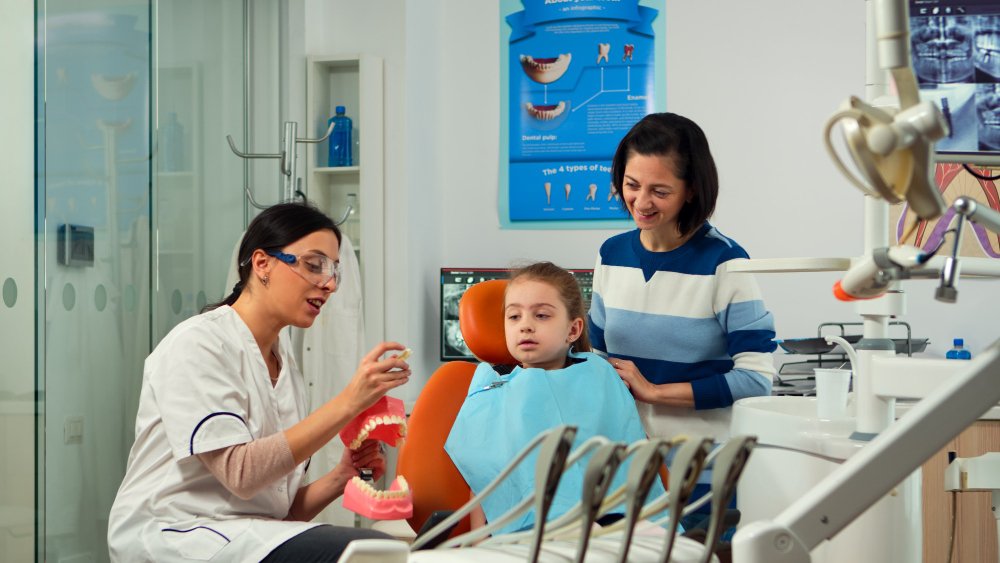
Good habits start early. When your child feels safe at the dentist, regular visits become normal, not scary. A trusted family dentist in Winnetka, IL helps you build that pattern from the first tooth. Early checkups show your child that caring for teeth is part of everyday life. You sit beside your child. You hear the same guidance. You learn simple steps you can use at home. Together you practice brushing, flossing, and smart food choices. You also catch small problems before they turn into pain or infection. That prevents missed school days and long nights of worry. Over time, your child sees the dentist as a partner, not a threat. That respect for health often spreads to sleep, nutrition, and screen time. You give your child something powerful. You give them control over their own health, starting with their smile.
Why Early Dental Visits Matter
You might think baby teeth do not matter because they fall out. They do matter. They guide adult teeth into place. They also affect how your child eats, sleeps, and speaks.
The American Academy of Pediatric Dentistry advises a first visit by age one or within six months of the first tooth. Early visits help you
- Spot tooth decay before it causes pain.
- Check jaw growth and tooth spacing.
- Learn how to clean tiny teeth and gums.
- Plan for teething, thumb sucking, and pacifier use.
Each visit sends one clear message. Teeth matter. Health matters. Your child hears that message from you and from the dentist. That repetition shapes habits that last.
The Power of a Long Term Relationship
A family practice cares for you, your child, and often grandparents in the same office. Your child sees you sit in the chair. They watch you open your mouth and follow directions. That sight alone cuts fear.
Over time, your child grows with the same team. The staff learns your child’s mood and triggers. They know which words calm and which words scare. They remember school stories and sports. That trust lowers the guard that many children carry into health visits.
With a long term relationship you also gain
- Consistent advice on brushing, flossing, and diet.
- Clear records that show changes in growth and risk.
- One place to call when something feels wrong.
Trust removes shame. Your child feels safe to admit when they forgot to brush. That honesty gives the dentist a chance to coach, not judge.
How Family Dentists Teach Daily Habits
Good habits come from clear steps that you repeat. A family dentist breaks tasks into small, realistic actions your child can follow.
Most offices teach three core habits.
- Brush twice a day with fluoride toothpaste.
- Clean between teeth once a day.
- Limit sweet drinks and sticky snacks.
The Centers for Disease Control and Prevention explains the value of these habits on its oral health fast facts page. Tooth decay is common in children. It is also preventable when you keep these routines.
A family dentist uses simple tools to teach.
- Models that show where plaque hides.
- Disclosing tablets that stain missed spots.
- Visual charts for morning and night routines.
Your child learns that brushing is not a chore. It is a basic act of self care, like washing hands.
Family Dentistry and Preventive Care
Routine visits do more than clean teeth. They protect your child from pain, infection, and missed school days. Preventive care includes
- Professional cleanings.
- Fluoride treatments.
- Sealants on back teeth.
- Regular exams and X rays when needed.
These steps lower the risk of cavities and gum problems. They also reduce the need for urgent visits. Your child learns that care happens before pain, not after.
Preventive Visits vs Emergency Visits for Children
| Type of Visit | When It Happens | Common Reason | Effect on Your Child | Effect on You
|
|---|---|---|---|---|
| Preventive checkup | Every 6 months | Routine cleaning and exam | Calm visit with little or no pain | Short visit and clear plan |
| Emergency visit | Sudden | Severe toothache or injury | Fear, pain, and missed school | Stress, lost work time, higher cost |
When your child sees that regular visits keep them out of crisis, they learn a hard truth. Waiting hurts. Planning protects.
Shaping Attitudes About Health
Dentistry often gives your child their first steady contact with health care. The tone of these visits shapes how they see doctors, nurses, and other staff for years.
In a family practice your child learns to
- Ask questions and expect clear answers.
- Speak up about pain or fear.
- Take part in decisions about their body.
These skills carry into eye exams, checkups, and even mental health visits. Your child learns that health care is a team effort. They are part of that team, not a bystander.
Turning Daily Routines Into Family Habits
Habits stick when the whole family plays by the same rules. A family dentist gives you shared goals and language. You can say, “We brush the way the dentist showed us.” That removes power struggles. The rule comes from a trusted partner, not only from you.
You can use three simple steps to build home habits.
- Brush together. Let your child see you care for your own teeth.
- Set clear times. Link brushing to breakfast and bedtime.
- Use checklists or stickers to track success.
Over time your child moves from needing reminders to taking pride in doing it alone. That shift from pressure to ownership is the heart of good habit building.
Supporting Your Child Through Fear
Many children feel fear before a dental visit. Some adults do too. A family dentist respects that fear and works with you to ease it.
You can support your child by
- Using simple, honest words about what will happen.
- Avoiding scary stories or threats tied to the dentist.
- Bringing a comfort object if the office allows it.
The dentist can
- Show tools before using them.
- Use “tell, show, do” steps.
- Offer short breaks during treatment.
Each time your child faces fear and gets through it, they gain courage. That courage spreads to school, sports, and new challenges.
From Childhood Onward
Family dentistry does more than protect teeth. It shapes how your child sees health, responsibility, and trust. Early visits start a pattern. Regular checkups keep that pattern steady. Shared habits at home lock it in.
You give your child more than a clean smile. You give them strong daily habits, respect for their body, and the courage to ask for help when they need it. Those gains reach far beyond the dental chair. They follow your child into every part of life.

