
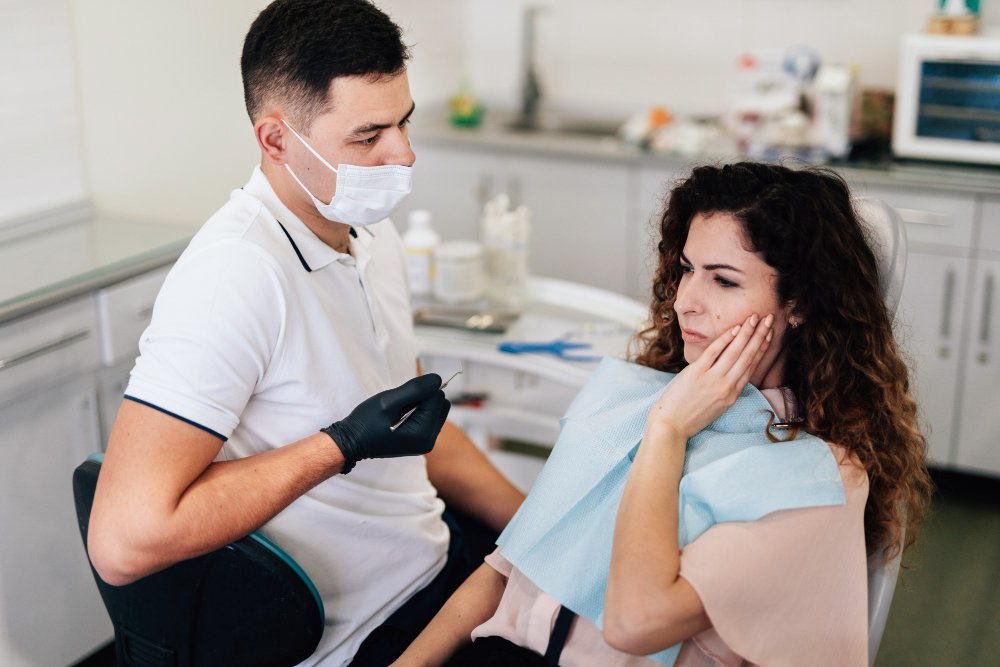
You want to keep your own teeth as long as possible. That is the goal of endodontics. When damage or infection reaches the inside of a tooth, you may fear you will lose it. Instead, endodontic care can clean and protect the tooth so you can keep using it. Your natural teeth help you chew, speak, and smile with ease. They also keep your jaw strong and your bite steady. Every lost tooth can affect your health and confidence. Endodontic treatment focuses on saving what you already have, not replacing it. East County endodontics uses careful steps to remove infection, ease pain, and seal the tooth from further harm. You gain relief. You also keep your tooth in place. This blog explains why saving your natural teeth should be your first choice whenever possible.
Why your natural teeth matter
Your teeth do more than fill space in your mouth. Each tooth supports your daily life in three simple ways.
- They help you chew food so your body can use it.
- They guide clear speech and steady breath.
- They support your jawbone and face shape.
When you lose a tooth, the bone under that tooth can shrink. The loss can change how your face looks and how your bite works. According to the National Institute of Dental and Craniofacial Research, many adults already live with missing teeth because of decay or gum disease. Each missing tooth can make chewing harder and can strain the teeth that remain.
Keeping your own teeth protects your health, your comfort, and your sense of self. This is why endodontics focuses on saving teeth whenever the tooth structure can still function.
What endodontics means in plain language
Endodontics is care for the inside of the tooth. The inside part contains the nerve and blood supply. This soft tissue is called the pulp. When decay, a crack, or an injury reaches the pulp, you can feel sharp or deep pain. The tooth can also become infected.
An endodontist is a dentist who has extra training in treating this inner part of the tooth. You may need this care when:
- You feel strong pain when you chew or when you touch the tooth.
- You feel lingering pain with hot or cold.
- You see swelling on your gum or face near the tooth.
- You see a pimple like bump on the gum that drains fluid.
Endodontic care removes the source of infection and pain inside the tooth. The goal is to keep the hard outer shell of the tooth in place so you can still use it.
How root canal treatment saves a tooth
The most common endodontic procedure is root canal treatment. The name can sound harsh. The steps are careful and planned.
During a root canal, the endodontist:
- Numbs the tooth so you stay comfortable.
- Creates a small opening in the top of the tooth.
- Removes the infected or damaged pulp from inside the tooth roots.
- Cleans and shapes the inside spaces.
- Fills those spaces with a safe material.
- Seals the tooth and often sends you back to your dentist for a crown.
After treatment, the tooth no longer has a live nerve. You still keep the tooth structure. With a proper crown, the tooth can work for many years. The Centers for Disease Control and Prevention explains that treating infection early can protect you from more serious problems, including spread of infection to other parts of your body.
Saving teeth versus pulling and replacing them
You might wonder why you should save a tooth when you can remove it and use a bridge or implant. Replacement can help when a tooth cannot be saved. It still does not match what your own tooth gives you.
Here is a simple comparison.
| Option | Main goal | Effect on bone | Common future care
|
|---|---|---|---|
| Root canal and crown | Keep your natural tooth in place | Helps maintain bone around the tooth | Routine checkups and cleanings |
| Tooth removal only | Remove infection and pain | Bone in the empty spot can shrink over time | Possible denture, bridge, or implant later |
| Implant after removal | Replace missing tooth with metal post and crown | Helps support bone at that site | Ongoing checks of implant and crown |
Root canal treatment with a crown often costs less than removal plus an implant. It also avoids surgery in the bone. Most important, it keeps your own tooth where it belongs.
Health and emotional benefits of keeping teeth
Saving your teeth affects more than your mouth. It supports your whole life.
- You chew a wider range of foods, which can support better nutrition.
- You speak with less effort, which can help at work or school.
- You smile without gaps, which can ease social stress.
Tooth loss can bring quiet grief. People often hide their smile or avoid some foods. Children may tease. Adults may judge. Protecting your teeth with endodontic care can prevent this cycle.
When saving a tooth may not be possible
Sometimes a tooth is too damaged to save. This can occur when:
- The tooth is cracked below the gum line.
- Too much of the tooth is missing to hold a crown.
- The infection has destroyed most of the bone support.
In these cases, removal can protect your health. You and your dentist can then plan replacement. The key is honest review of your tooth, your health, and your goals. The first question should always be whether the tooth can be safely saved.
How you can support tooth saving care
You play a central role in keeping your teeth. You can support endodontic success with three simple habits.
- Brush twice a day with fluoride toothpaste and clean between your teeth.
- Limit sugar and drinks that coat your teeth, especially between meals.
- See a dentist for regular checkups and call early when you feel pain or see swelling.
Early treatment is usually simpler and more successful. Small problems grow. Quick action can mean the difference between a root canal and a lost tooth.
Key message
Endodontics exists for one main reason. You deserve to keep your own teeth. When the inside of a tooth becomes damaged or infected, root canal treatment can remove pain, stop infection, and keep the tooth in place. This protects your jaw, your bite, and your confidence.
Ask your dentist one clear question when a tooth hurts. Ask whether an endodontic treatment can save it. You may find that you can keep chewing, speaking, and smiling with your own teeth for many years to come.

