
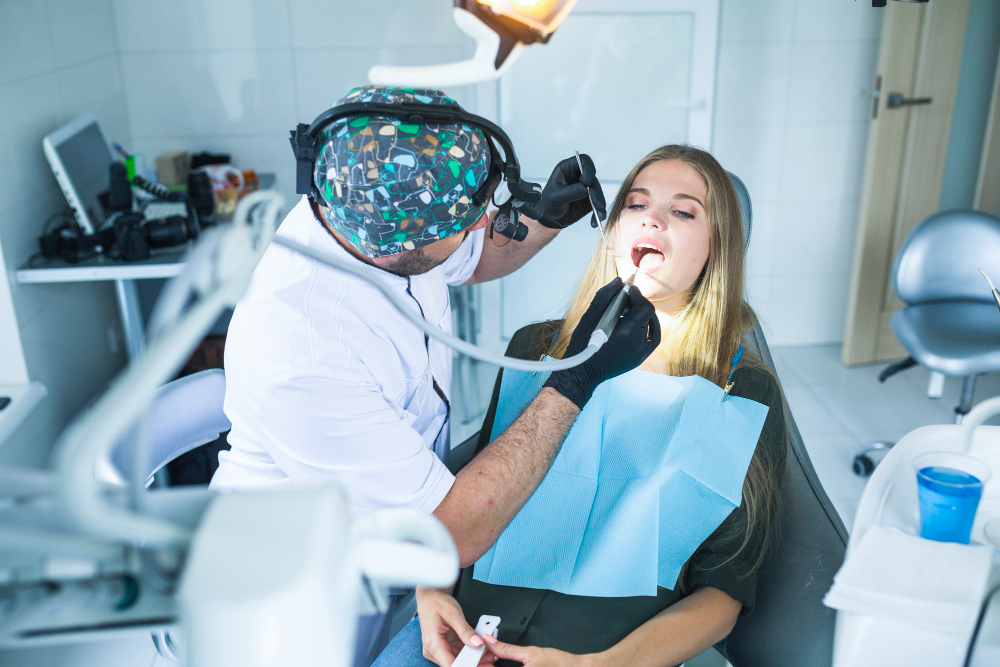
Your mouth never gets a day off. You eat, talk, and breathe through it. So small problems grow fast when you ignore them. Preventive dentistry stops that quiet damage before it turns into pain, infection, or tooth loss. You do not need perfect teeth. You need a steady plan. Regular cleanings, checkups, and simple home care lower your risk of cavities and gum disease. They also help your dentist spot trouble early, when treatment is easier and less costly. A Wantagh dentist can clean the spots you miss, watch for changes, and guide you toward smart daily habits. Preventive care protects more than your smile. It protects how you eat, sleep, and interact with others. This blog explains three strong reasons preventive dentistry is your best defense against oral disease and why putting it off can cost you your health, your time, and your peace of mind.
1. You Stop Disease Before It Starts
Tooth decay and gum disease start small. You often feel nothing at first. Yet bacteria feed on sugars and stay on your teeth as sticky plaque. Over time plaque hardens into tartar. You cannot remove tartar at home. Only a dental professional can do that safely.
Preventive dentistry breaks this cycle. You use three core steps.
- Professional cleanings
- Routine exams
- Strong home care
Regular cleanings remove plaque and tartar from your teeth and along the gumline. This lowers harmful bacteria. It also keeps gums from pulling away from your teeth. When gums pull away, pockets form. Those pockets trap more bacteria and deepen infection.
Routine exams give your dentist a clear view of early damage. Tiny cavities, worn spots, and gum changes show up long before you feel pain. Your dentist can use x rays, visual checks, and simple tests to catch these warning signs. Early care often means quick fillings, short cleanings, and simple advice instead of root canals or extractions.
Home care fills the gap between visits. You brush twice a day with fluoride toothpaste. You floss once a day. You limit sugary snacks and drinks. These steps sound basic. They are powerful. The Centers for Disease Control and Prevention explains that fluoride and regular brushing sharply cut cavity risk in children and adults.
2. You Save Money, Time, And Stress
Preventive visits cost less than emergency care. They also take less time and cause less worry. When you skip cleanings and exams, small problems grow into large ones. Then you may need crowns, root canals, or even surgery. Those treatments take more visits and more recovery time.
Here is a simple comparison. Costs and times are estimates. They show how prevention stacks up against treatment for advanced disease.
| Type of dental visit | Typical purpose | Average visits needed | Relative cost level | Time away from work or school
|
|---|---|---|---|---|
| Routine cleaning and exam | Prevent disease and catch small problems early | 1 visit every 6 months | Low | About 1 hour per visit |
| Filling for small cavity | Treat early tooth decay | 1 visit | Low to medium | 1 to 2 hours total |
| Root canal and crown | Save tooth with deep decay or infection | 2 to 3 visits | High | Several hours across visits |
| Tooth extraction and replacement | Remove tooth that cannot be saved | 2 to 4 visits | High to very high | Many hours plus healing time |
When you stay on a schedule, you spread costs out across the year. You avoid large surprise bills that strain your budget. You also keep control of your calendar. You choose your cleaning dates instead of rushing in during a crisis.
Stress also drops. Dental pain can keep you up at night. It can make eating hard. It can pull your attention away from your family and work. Preventive care cuts the odds of sudden pain. You feel safer, because you know a trained professional is watching your oral health on a regular schedule.
3. You Protect Your Whole Body Health
Your mouth connects to the rest of your body. Oral disease does not stay put. Gum infection links to conditions like heart disease, diabetes, and trouble in pregnancy. Bacteria from diseased gums can enter the bloodstream. The American Dental Association and other groups describe this mouth body link in detail.
When you keep your gums and teeth healthy, you support your whole body. You chew food more fully. That helps digestion. You can eat a wider range of foods, including fruits, vegetables, and proteins that support strong bones and muscles.
You also protect your speech and breathing. Untreated oral disease can change how you speak. Missing teeth and pain can change how you form words. Swollen tissues can affect airflow during sleep. Preventive care lowers these risks. It helps you keep a clear voice and steady sleep.
Oral health also affects mental health. Many people feel shame or fear when they have broken or missing teeth. They may avoid photos, social events, or close contact. This can lead to loneliness. Preventive dentistry gives you more control. You keep your natural teeth longer. You feel more at ease when you smile, laugh, or speak up.
The National Institute of Dental and Craniofacial Research shares clear facts on how oral disease affects the body over time. This information confirms what many families see in daily life. When your mouth is healthy, daily tasks feel easier and calmer.
How To Put Preventive Dentistry Into Action
You can start today. You do not need a complex plan. You only need steady steps that you repeat.
- Brush twice a day with fluoride toothpaste for two minutes
- Floss once a day to clean between teeth and under the gums
- Limit sugary drinks and snacks, especially between meals
- Drink water during the day to rinse food particles and support saliva
- Schedule cleanings and exams every six months, or as your dentist advises
If you have children, you can model these habits. You brush and floss together. You keep dental supplies where children can reach them. You speak about the dentist in a calm way. You treat visits as a normal part of health, not as a punishment.
Preventive dentistry is not about chasing a perfect smile. It is about keeping you comfortable, able to eat and speak, and present with the people you care about. When you choose prevention today, you protect your future self from pain, cost, and worry.

