
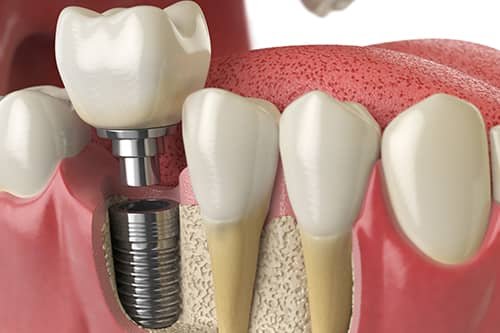
Dental implant surgery can restore your smile and your confidence. The hours and days after treatment matter most. Your choices during this time can ease pain, prevent infection, and protect your new implant. A Santa Ana implant dentist will guide your care, but you control what happens at home. You may feel swelling, bleeding, or fear that something is wrong. These reactions are common. You are not alone. Simple steps with rest, smart food choices, and clean habits can keep your mouth safe. Careful planning also lowers the chance of implant failure. You can protect the surgery site, keep your body strong, and return to work and family life sooner. This guide shares six clear tips you can follow today. Each tip is direct. Each tip supports healing and comfort. You deserve a calm recovery and a stable implant that lasts.
Tip 1: Follow your aftercare instructions every hour
Your written aftercare plan is not a suggestion. It is your recovery map. Read it as soon as you get home. Then read it again with a family member.
- Set alarms for medicines and mouth rinses
- Write down every dose you take
- Call the office if any step is unclear
The first 24 hours shape your healing. The National Institute of Dental and Craniofacial Research states that close follow-up and home care support long-term success. Clear steps protect the implant as bone begins to attach.
Tip 2: Control bleeding and swelling early
Some bleeding and swelling will happen. You can keep both under control with steady habits.
- Bite on the gauze pad your dentist gives you for the time they suggest
- Keep your head raised on pillows when you rest
- Use a cold pack on your cheek for 15 minutes on and 15 minutes off during the first day
Do not spit hard. Do not suck through a straw. Do not touch the implant site with your fingers or tongue. These actions pull at the clot and can open the wound. That can slow healing and increase fear and pain.
Tip 3: Eat soft, cool foods that protect the implant
Your body needs fuel. Your mouth needs peace. You can meet both needs with soft, gentle foods. Avoid chewing on the side of the implant.
| Food choice | Good in first 48 hours | Good after 3 days | Avoid during first week
|
|---|---|---|---|
| Yogurt and cottage cheese | Yes | Yes | No |
| Mashed potatoes and soft eggs | Yes | Yes | No |
| Blended soups (lukewarm) | Yes | Yes | No |
| Pasta and soft rice | No | Yes | No |
| Crunchy chips and nuts | No | No | Yes |
| Sticky candy and gum | No | No | Yes |
Choose water over soda or alcohol. Alcohol and smoking can hurt bone healing and raise the chance of implant failure. The Centers for Disease Control and Prevention show that tobacco harms blood flow in the mouth. That slows repair.
Tip 4: Keep your mouth clean without hurting the site
Clean habits protect you from infection. You can brush and rinse in a gentle pattern that keeps the site safe.
- Brush your other teeth the same day with a soft brush
- Avoid the implant site with the brush for the first few days
- Rinse with warm salt water after the first 24 hours three times a day
Do not use strong mouthwash with alcohol unless your dentist approves it. A harsh rinse can sting and dry the tissues. That can lead to more swelling and stress. Gentle care supports the body as it closes the wound.
Tip 5: Rest your body and limit strain
Implant surgery affects more than your mouth. Your whole body needs rest. Strong exercise can increase bleeding and throbbing at the site.
- Plan to take at least one to two days off work or school
- Avoid heavy lifting and hard workouts for three days
- Sleep with your head raised to reduce swelling
Use this short time to slow down. Listen to music. Watch shows. Read with your child. Calm moments lower stress hormones. That supports healing and eases fear.
Tip 6: Watch for warning signs and act fast
Most implant recoveries go well. Still, you must watch for danger signs. Quick action can save the implant and protect your health.
- Call your dentist at once if bleeding soaks through gauze for more than an hour
- Seek help if pain grows stronger after day two instead of easing
- Report fever, bad taste, or pus near the implant
Trust your instincts. If something feels wrong, speak up. A short call can prevent a deep problem. Early checkups also let your dentist adjust your bite and clean near the site in a safe way.
Simple habits now protect your future smile
Your recovery depends on small choices. You follow the plan. You protect the site. You feed your body. You rest. You speak up when you see a change. These actions work together.
You do not need perfection. You only need steady effort and a quick response to warning signs. With clear steps and support from your dental team, your implant can heal, bond with bone, and serve you every day for many years.

