
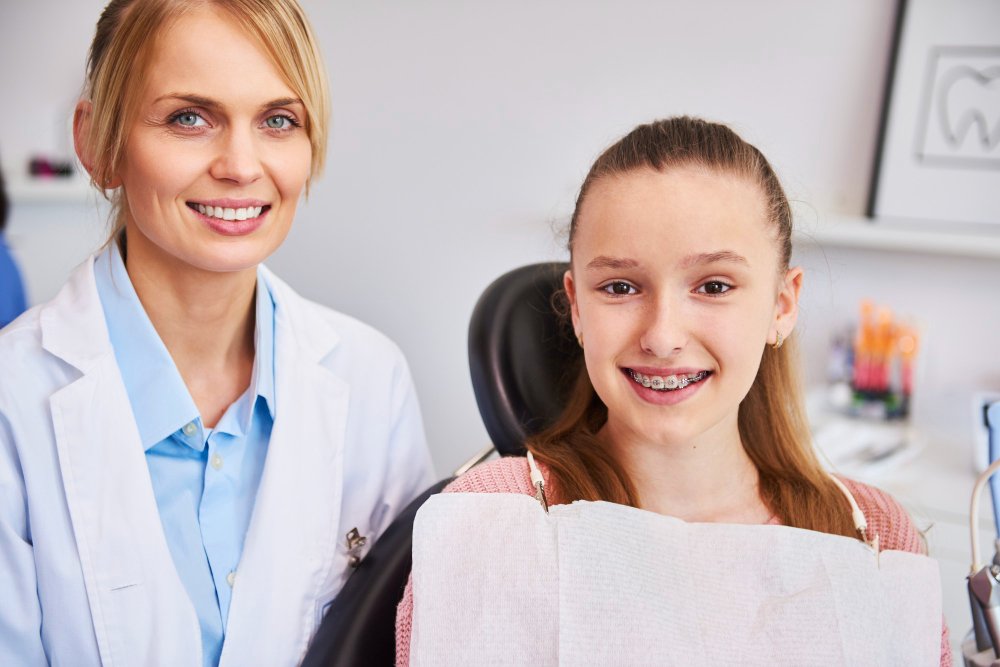
Early orthodontic care can protect your child’s smile, speech, and comfort. When you start treatment at a younger age, you give your child’s growing mouth a safer path. Teeth move with less force. Jaws respond with less strain. Breathing and chewing can improve. Parents often wait for all the adult teeth to come in. That delay can allow small problems to grow into painful ones. Crowding, bite problems, and jaw pain can then need longer and more complex treatment. Instead, early guidance catches trouble while bones and teeth still change. This approach supports clear speech, steady confidence, and easier daily care. If you are thinking about orthodontics and braces in Festus, MO, early action can reduce future costs and visits. You do not need to wait for a crisis. You can choose a calmer, more controlled plan for your child’s smile now.
1. Early care can shorten and simplify later treatment
Young mouths grow fast. That growth gives you a window of time. During this time, gentle treatment can guide teeth into stronger positions. Later, treatment often needs more force and more time.
The American Association of Orthodontists advises that children have an orthodontic checkup by age 7. At this age, a specialist can see how baby teeth and adult teeth fit together. Problems with crowding, crossbites, or jaw growth often show up early.
Here is a simple comparison.
| Timing of first orthodontic visit | Common treatment needs | Typical impact on time and effort
|
|---|---|---|
| Ages 7 to 9 | Guidance of jaw growth, space for adult teeth, habit correction | Shorter visits. Lower force on teeth. Often easier second phase as a teen. |
| Ages 10 to 12 | Alignment of crowded teeth, bite correction, space closure | Moderate visit length. More tooth movement. Treatment can still finish on time. |
| Ages 13 and older | Severe crowding, deep bite or open bite, jaw imbalance | More complex plans. Higher chance of extractions or surgery. Longer treatment. |
Early care does not always mean braces right away. Sometimes it means simple steps. These can include watching growth every six months, using a small expander, or guiding one or two teeth. These steps can prevent bigger problems. You then give your child a smoother teen treatment.
2. Early care can support breathing, speech, and chewing
Teeth and jaws affect more than a smile. They also shape how your child breathes, speaks, and chews. When jaws grow in a narrow or uneven way, your child can struggle with these daily tasks.
Research shared by the National Institutes of Health shows that certain bite problems are linked with mouth breathing and sleep problems. When a child breathes through the mouth most of the time, the upper jaw can grow narrow. That narrow shape can crowd teeth and reduce airflow.
Early orthodontic care can help by:
- Creating more space for the tongue and for airflow
- Improving how the upper and lower teeth meet
- Supporting clearer speech sounds and chewing patterns
These changes can feel small at first. Over time, they can reduce strain. Your child may sleep with less restless movement. Eating can feel safer and cleaner. Speech can sound clearer at school and with family.
When you address these concerns early, you also support your child’s mood. Children who breathe easier and chew with less effort often feel calmer at home and in class. You remove a quiet source of stress that a child might not know how to explain.
3. Early care can protect confidence and daily hygiene
Teeth sit at the center of social life. Children use their mouths to speak, laugh, and share food. When teeth stick out or crowd, many children hide their smiles. Some cover their mouths. Others avoid photos. This silent shame can grow during the middle school years.
Early orthodontic care can lower this emotional weight. When front teeth line up better at a younger age, children feel safer smiling. They often join in pictures instead of turning away. This does not erase all social stress. It does remove one common source.
Crowded teeth also trap more plaque. That plaque raises the risk of cavities and gum problems. The Centers for Disease Control and Prevention explain that childhood tooth decay remains common across the country.
Early alignment can help by:
- Making brushing and flossing quicker and more complete
- Reducing hidden spots where food and germs collect
- Lowering the chance of painful cavities and infections
This support matters for parents too. A child who cleans teeth with less struggle needs fewer emergency visits. You spend less time managing dental pain and missed school days. You also gain clearer routines that your child can keep as an adult.
How to decide if your child is ready
You do not need to wait for a clear problem. If your child is age 7 or older, a simple check can help. You might want an orthodontic visit if you see any of these signs:
- Crowding or overlapping front teeth
- Front teeth that stick out or do not touch
- Frequent mouth breathing or snoring
- Early loss of baby teeth or very late loss
- Jaw shifting to one side when your child bites
Each child grows in a different way. A short visit can show whether it is time to act or time to watch and wait. In both cases, you gain a clearer plan. You also gain peace of mind that you are not missing a hidden problem.
Taking the next step
Early orthodontic care offers three clear advantages. It can shorten and soften later treatment. It can support breathing, speech, and chewing. It can guard your child’s confidence and daily hygiene. You give your child a stronger base for teen years and adult life.
If you feel unsure, start with one visit. Bring your questions. Share your child’s habits and any worries about sleep, speech, or eating. You and the orthodontic team can then decide together. You do not need to wait for pain to act. You can choose early support that respects your child’s body and future.

